REVIEW · HOBART
Bonorong Wildlife Sanctuary Guided Night Tour
Book on GetYourGuide →Operated by Bonorong Wildlife Sanctuary · Bookable on GetYourGuide
Night feeding in Tasmania feels like real wildlife work. This small-group Bonorong night tour takes you into the sanctuary when the animals shift routines, so you’re not just looking—you’re participating in the feeding rhythm that keeps rescue animals healthy. I like that you get close with hands-on animal care moments, including Tasmanian devils being fed, not as a distant spectacle.
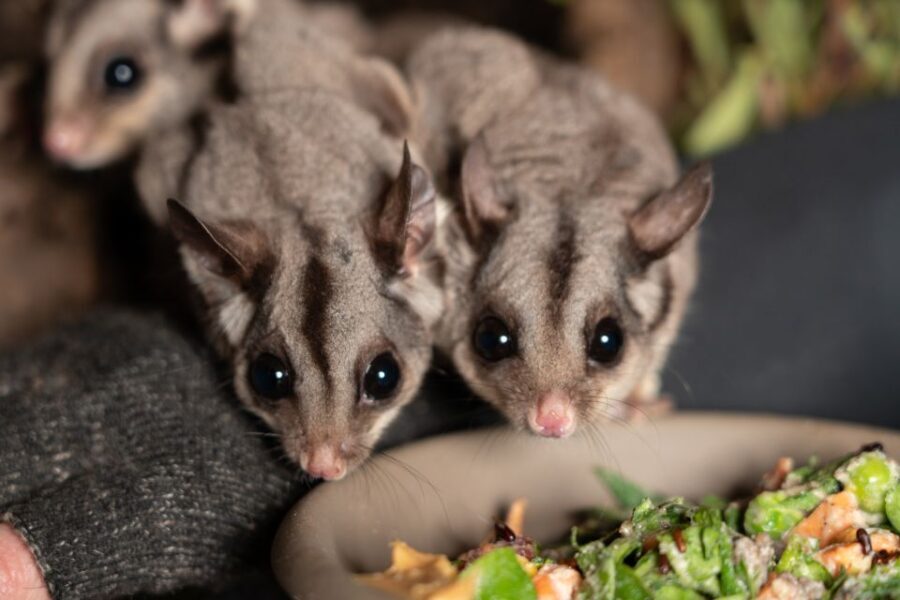
I also like the mix of animal encounters: Eastern quolls, tawny frogmouths, sugar gliders, and even friendly Forester kangaroos. One thing to plan for, though: feeding isn’t always guaranteed, so some moments may be more watching and learning than active hand-feeding.
In This Review
- Key Things You’ll Actually Remember
- Bonorong After Dark: What Makes a Night Tour Worth It
- The 2.5-Hour Game Plan: From Day Dwellers to Nocturnal Breakfast
- Meet the Nocturnal Stars: Quolls, Frogmouths, and Sugar Gliders
- Tasmanian Devil Dinner: How Your Help Fits In
- Forester Kangaroos and the Friendly Moment You Didn’t Plan For
- Injured and Orphaned Survivors: Why This Isn’t Just Cute Animal Time
- Small Group = More Animal Time, Less Herding
- Price and Value: Is $115 Worth Two and a Half Hours?
- What You Need to Know Before You Go (So You Enjoy It)
- Who Should Book This Night Tour (and Who Might Pass)
- Should You Book Bonorong’s Guided Night Tour?
- FAQ
- Is this a guided tour, or can I explore on my own?
- How long is the Bonorong Wildlife Sanctuary guided night tour?
- How much does it cost?
- What’s included in the ticket price?
- What’s not included?
- Where do I meet for the tour?
- What should I wear or bring?
- Can I feed and hold all of the animals?
- Are kids allowed?
- Is the tour wheelchair accessible?
- Can the tour be cancelled?
Key Things You’ll Actually Remember
- Small group access: kept tight so your guide can explain and you have time to ask questions.
- You’re part of feeding time: daylight dwellers eat first, then the nocturnal animals get their dinner/breakfast routine.
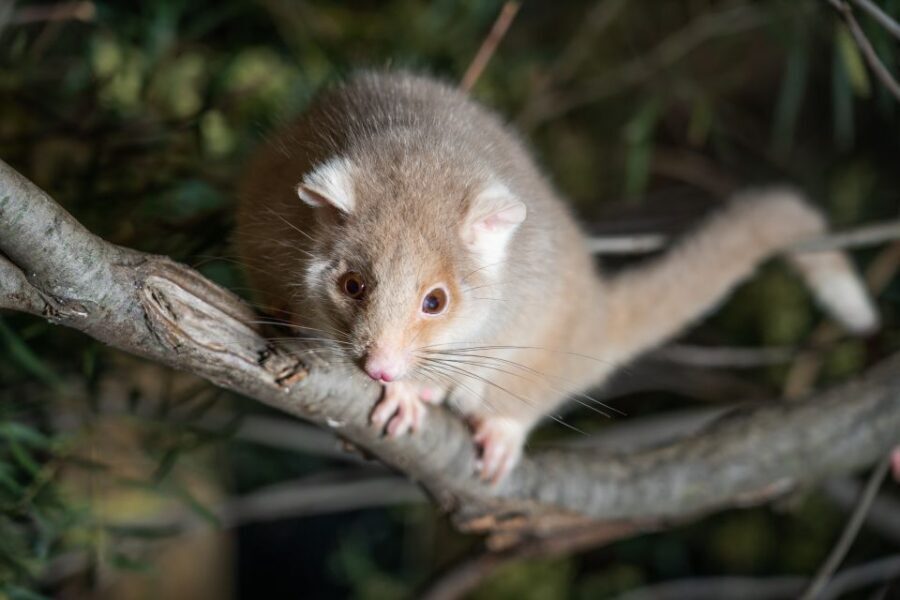
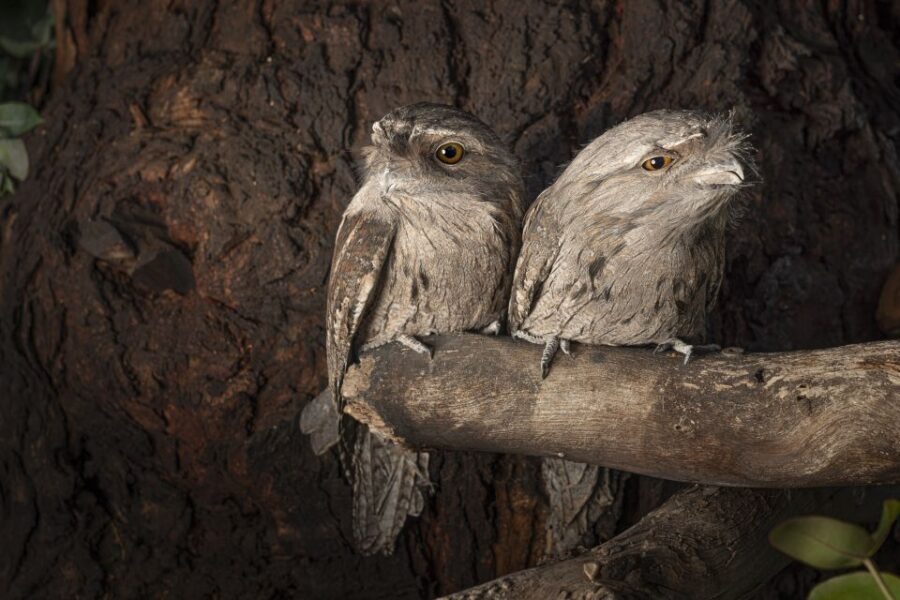
- Up-close nocturnal species: Eastern quolls, tawny frogmouths, and sugar gliders are built into the experience.
- Tasmanian devil feeding: you help your guide serve their dinner as part of the keeper-led process.
- Friendly Forester kangaroos: you’ll meet a mob of them during the tour.
- Real rescue stories: many animals are injured or orphaned, and the tour explains how that care supports return to the wild.
Bonorong After Dark: What Makes a Night Tour Worth It
Bonorong is a sanctuary in Tasmania where the main point isn’t sightseeing. The main point is care. And at night, that care becomes easy to understand because you see how animals are fed around their natural schedules.
A big reason this tour feels special is the timing. You don’t just catch random glimpses. You experience the sanctuary as it transitions—first feeding for animals that are up during the day, then the nocturnal crew gets their turn. That switch helps you see animals as living residents with needs, not props.
And you’re doing it in a small-group guided format, which matters more than people expect. When it’s small, your guide can slow down, repeat instructions, and help you read animal behavior safely. You’re less likely to feel like you’re standing in a line with everyone trying to catch a flash photo.
You can also read our reviews of more guided tours in Hobart


The 2.5-Hour Game Plan: From Day Dwellers to Nocturnal Breakfast
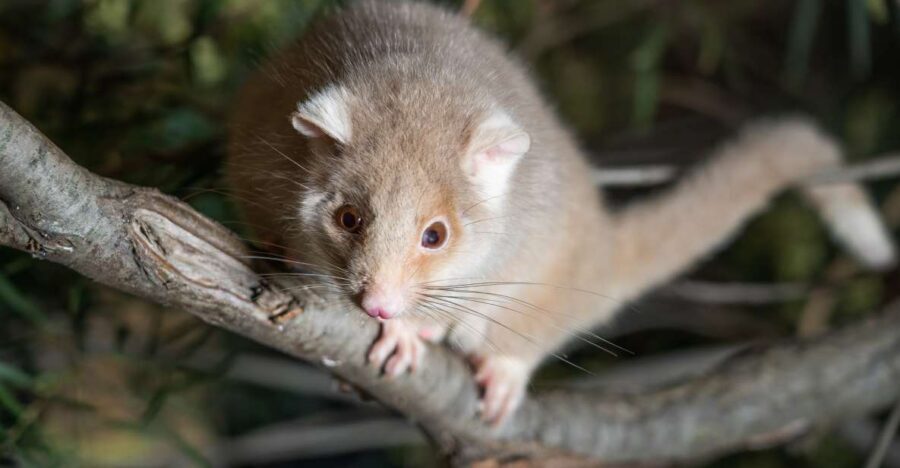
The tour runs about 2.5 hours, usually in the evening, and it’s structured like a keeper-led feeding run. You’ll move through the sanctuary at the animals’ pace, with your guide explaining what’s happening and why.
Here’s the flow you can expect, in plain terms:
First comes dinner time for the daylight dwellers. This sets the stage for the sanctuary routine. You’ll learn how the feeding isn’t random—it’s scheduled to suit the animals’ normal activity patterns.
Then you shift to the part most people are excited for: nocturnal animals get their breakfast (after the day feeders have been handled). This is where you’ll encounter the weird-and-wonderful species that come alive after dark.
Finally, the tour includes helping feed almost all of the animals in the sanctuary, with the Tasmanian devils as the standout. It’s not just a quick stop-and-point moment. You’ll stay with the action long enough to understand how the keeper process works.
Meet the Nocturnal Stars: Quolls, Frogmouths, and Sugar Gliders
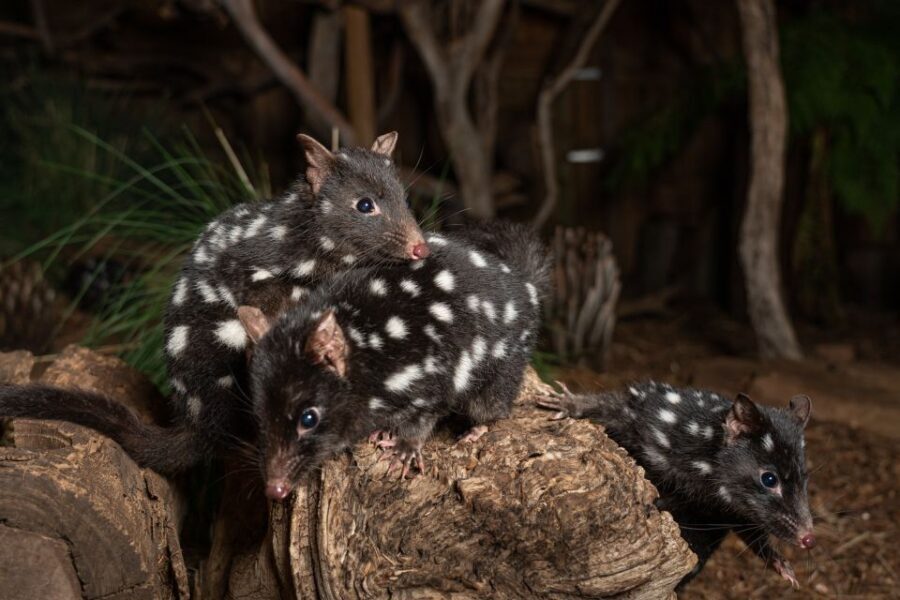
This is a feeding-focused tour, and the nocturnal animals are the headline. If you’re hoping to see animals that are usually active when most people are asleep, this is the whole reason to book.
You can expect guided hand-feeding opportunities with species such as:
- Eastern quolls
- tawny frogmouths
- sugar gliders
The practical value here is that your guide isn’t just telling you fun facts. They’re showing you how to approach animals safely and calmly during feeding time. That helps you get the difference between curiosity and respectful distance.
Also, nocturnal animals can look like they’re reacting to you more than they really are. In a tour like this, you’ll learn what normal body language looks like while feeding is underway. It’s the sort of skill that makes the experience feel less like chaos and more like real animal handling—without you doing anything risky.
One note: you may not be able to feed every animal. The keeper decides when it’s appropriate. So if you’re traveling with someone who needs the “hands-on” moment to feel worth it, set expectations that the experience includes both feeding and close observation.
Tasmanian Devil Dinner: How Your Help Fits In
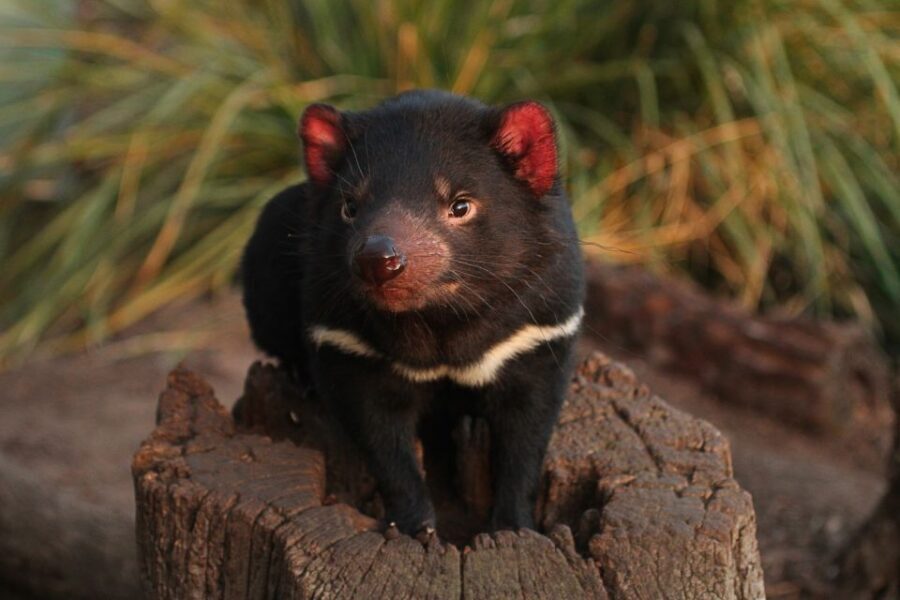
The Tasmanian devil feeding is the highlight people talk about for good reason. It’s intense, iconic, and it’s also very clearly part of an animal care routine—not a stunt.
The tour is designed so you can help your guide feed the devils their dinner. That’s meaningful because devils are a species that most visitors only know from conservation headlines. Here, you see the everyday reality: the meal is scheduled, prepared, and served under keeper supervision.
And because this is a sanctuary with rescued animals, you’re not meeting devils in a fictional way. Many animals in the sanctuary are recovering from injury or are orphans, and your guide will explain how your presence supports the broader goal—getting animals back into the wild when possible.
In at least one tour, the guide’s passion comes through clearly. One guest highlighted a guide named Johnny as kind and deeply invested in the animals he cares for. You may not get Johnny, but it’s a good sign: the people running these tours tend to love what they do, and it shows in the care they take with instructions.
Forester Kangaroos and the Friendly Moment You Didn’t Plan For
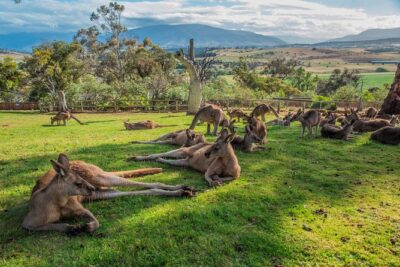
Between the nocturnal feeding moments, the tour also includes meeting a mob of friendly Forester kangaroos. It’s a nice contrast, and it breaks up the night-quiet mood of the sanctuary.
This part is worth your attention because kangaroos aren’t typically on a “night feeding tour” list. But in this setup, they’re part of the sanctuary experience—living residents you meet while the guide keeps the day-night routine moving.
What you’ll likely enjoy most here is the guide’s calm approach. You’re not rushed, and you’re not encouraged to act like you’re at a petting zoo. You’re learning how to be around wildlife safely while keeping the animals’ environment respectful.

Injured and Orphaned Survivors: Why This Isn’t Just Cute Animal Time
One of the strongest reasons to do Bonorong at night is that you get context. The tour doesn’t only show animals doing normal routines. It explains that many residents are there because they are survivors—rescued, injured, or orphaned.
Your guide will show you how the feeding and care you’re participating in supports the sanctuary’s bigger mission. That includes helping animals regain strength and get closer to a future in the wild, rather than just staying in captivity for visitors.
This makes the experience feel grounded. You’re not paying to watch a show. You’re stepping into the daily reality of wildlife rehab—at least the part visitors can witness during this guided evening feeding window.
And you’ll likely leave with a more practical understanding of conservation. It’s not a poster. It’s a routine with staff, timing, food prep, and careful supervision.
Small Group = More Animal Time, Less Herding
This tour keeps groups small, and that affects what you experience.
In a big group, you might only catch the highlights: a quick look, a brief feeding moment, then move on before you really understand what you’re seeing. With a small group, your guide can slow down. They can explain what each animal needs, and they can manage safety around feeding and close contact.
That’s a big part of the value of the tour. You’re paying for access after hours, structured keeper-led feeding, and a guide who can actually work with your group size. Over two and a half hours, that turns into more time learning and less time waiting.
Price and Value: Is $115 Worth Two and a Half Hours?
At $115 per person for about 2.5 hours, this isn’t a cheap impulse activity. But wildlife care access costs money, and night tours usually involve more staff time and careful animal handling.
Here’s where the value is coming from:
- You’re entering the sanctuary during the animals’ active feeding shift.
- You’re guided the whole way, with feeding included.
- The experience focuses on multiple species, including Tasmanian devils.
- You get a small-group format that supports interaction.
For me, the best way to judge value is to ask: do you want to watch wildlife, or do you want to understand how sanctuaries work? This tour leans hard toward the second one. If you care about how rescue animals are cared for, the price feels more like an investment than an admission fee.
If you’re the type who hates instruction-heavy activities, or you’re hoping to carry out lots of physical contact, then you might feel the cost more sharply. The keeper runs the process and you follow their rules.
What You Need to Know Before You Go (So You Enjoy It)
A night sanctuary tour is simple, but you do need to prepare.
Bring comfortable shoes. The sanctuary involves walking at night, and you’ll want stable footing. Wear warm clothing because it’s Tasmania and it’s an evening activity. Dress for comfort first; you’ll be moving and standing for feeding moments.
Plan on arriving 15 minutes early at the meeting point. That buffer matters because the tour is timed to animal routines. If you’re late, the whole schedule shifts and the guide may have to adjust the feeding sequence.
You also need to understand the rules:
- All participants must follow instructions given by the keeper.
- You won’t be able to hold animals.
- Where appropriate, you may be able to pat them under supervision.
- Feeding isn’t guaranteed for every animal, depending on keeper decisions.
- Staff can ask you to leave an enclosure at any time if needed.
That last point is not meant to scare you. It’s there because wildlife care is safety-first.
Who Should Book This Night Tour (and Who Might Pass)
This tour fits best if you want hands-on animal care education, especially wildlife that’s usually hard to see.
You’ll probably love it if:
- you enjoy close encounters with native Australian animals
- you like structured tours where a guide explains what you’re seeing
- you care about rescue and conservation outcomes
You might want to think twice if:
- you hate following strict keeper instructions
- you expect to hold animals (you won’t)
- you need guaranteed feeding for every animal encounter
If you’re traveling with kids, a paying adult must accompany children under 16. Also, keep in mind that the guide can require participants to step out of enclosures at times.
Should You Book Bonorong’s Guided Night Tour?
I’d book this tour if you’re in Tasmania and you want a wildlife experience that feels like real sanctuary work. The combination of nocturnal feeding, helping serve Tasmanian devils, and meeting kangaroos adds variety without turning it into a scattershot zoo visit.
Pick it especially if you like learning from guides who care. The tour is run by people who explain the process clearly, and the best moments come when you pay attention to instructions and watch how the animals respond during feeding time.
If you’re on the fence, the decision is simple: you’re paying $115 for access to a guided night feeding routine and multiple close encounters. If that’s your kind of travel, Bonorong is a very solid choice.
FAQ
Is this a guided tour, or can I explore on my own?
It’s a guided night tour with a live English-speaking guide included in the ticket. The tour is designed around group feeding and keeper-led interaction.
How long is the Bonorong Wildlife Sanctuary guided night tour?
The duration is 2.5 hours.
How much does it cost?
The price is $115 per person.
What’s included in the ticket price?
Admission, the guided tour, feeding, and the guide are included.
What’s not included?
Food and drinks are not included, and transport is also not included.
Where do I meet for the tour?
Arrive at the location 15 minutes before the scheduled departure time.
What should I wear or bring?
Bring comfortable shoes, warm clothing, and comfortable clothes.
Can I feed and hold all of the animals?
You might be able to feed animals where appropriate, but feeding is not guaranteed for every animal. You will not be able to hold animals, though you may be able to pat them under supervision where appropriate.
Are kids allowed?
Yes, but a paying adult must accompany children under 16, and the adult is responsible for the child at all times.
Is the tour wheelchair accessible?
Yes, it is wheelchair accessible.
Can the tour be cancelled?
The tour may be cancelled due to severe inclement weather or animal welfare issues. If cancelled, participants will be offered an alternative encounter or a full refund. You can also cancel up to 24 hours in advance for a full refund.