REVIEW · HOBART
Hobart: 2.5-hour Iron Pot Lighthouse Cruise
Book on GetYourGuide →Operated by Pennicott Wilderness Journeys · Bookable on GetYourGuide
Lighthouses look different from open water. This 2.5-hour Iron Pot Lighthouse cruise shows you why Hobart lives by the sea, with a close-up look at Australia’s oldest lighthouse and the bird-packed waters around Betsey Island.
I love two things most: the ride in a small group (up to 14) with a guide who keeps the talk lively, and the comfort of a newer, enclosed boat with big awning windows. You’ll get real maritime context as you pass Battery Point, Wrest Point Casino, the Shot Tower, and Mount Wellington towering over the city.
One thing to plan for: conditions can get choppy in Storm Bay, so if you dislike rocking water, dress for the weather and take your seat with motion in mind.
In This Review
- Key points before you go
- Derwent River landmarks before you hit Iron Pot Lighthouse
- Iron Pot Lighthouse and the early Hobart stories that make it stick
- Storm Bay to Betsey Island: seabirds, Hope Beach, and close-to-shore moments
- Small-boat comfort: enclosed cabin, big windows, and guides who keep it human
- Wildlife odds and the sea-state reality check
- Price, meeting point, and how to judge the value of $102
- Should you book the Hobart Iron Pot Lighthouse cruise?
- FAQ
- How long is the Iron Pot Lighthouse cruise?
- What group size is this cruise?
- Where do I meet for the tour?
- What should I bring?
- Is there a minimum age to join?
- Do tours depart daily?
- Can I cancel and get a full refund?
- Is reserve now and pay later available?
Key points before you go
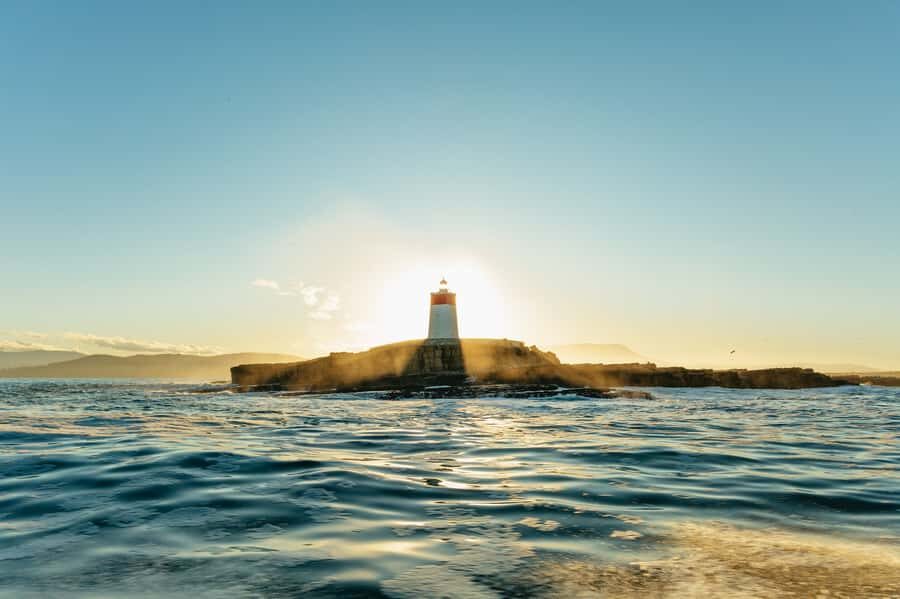
- Iron Pot Lighthouse in the picture frame: you get the setting and stories that make it more than a postcard.
- Small-group energy (up to 14): more back-and-forth with the captain-guide, less crowding.
- Betsey Island seabirds: gulls, cormorants, and the white-bellied sea eagle, plus great photo angles.
- Hope Beach surf winds: close-in cruising where offshore conditions push serious wave action.
- Coast caves and secluded shores: the route includes tight, scenic spots for photos.
- Boat comfort matters: enclosed cabin, leather seats, and large windows make it easier to enjoy rougher weather.
Derwent River landmarks before you hit Iron Pot Lighthouse
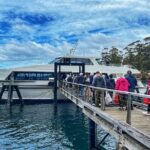
Most people start this cruise wanting views, but you leave with better orientation. You’re cruising down the Derwent River from Franklin Wharf and you quickly spot the key landmarks that define Hobart from the water.
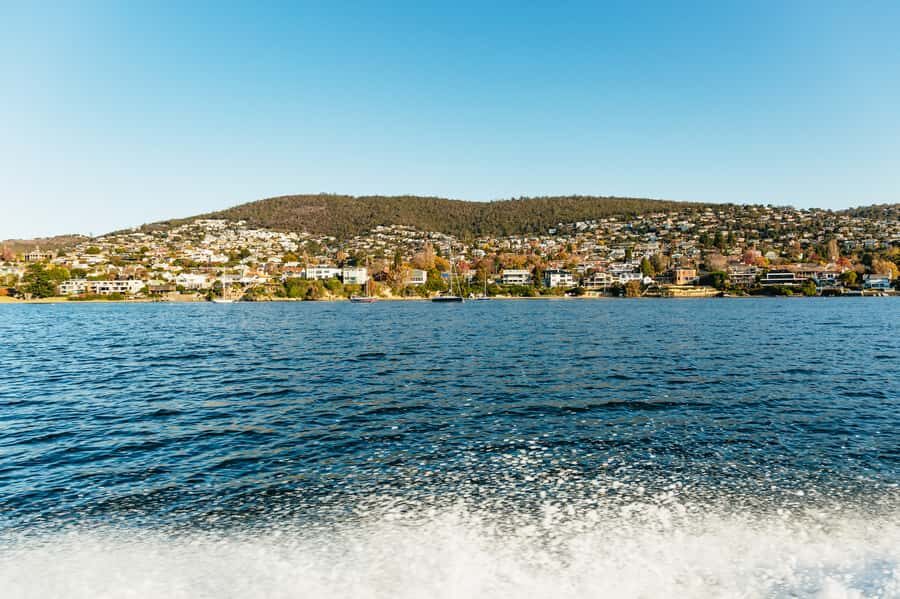
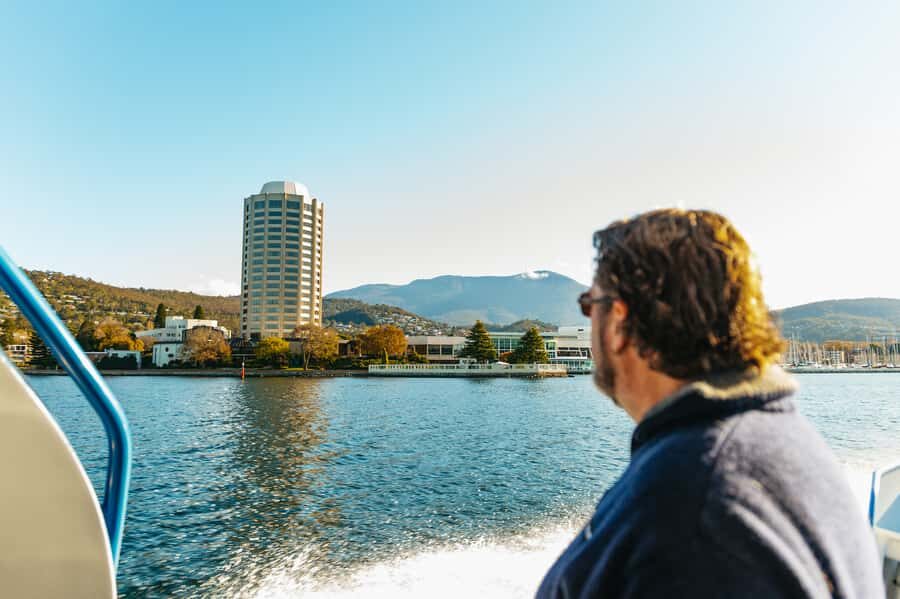
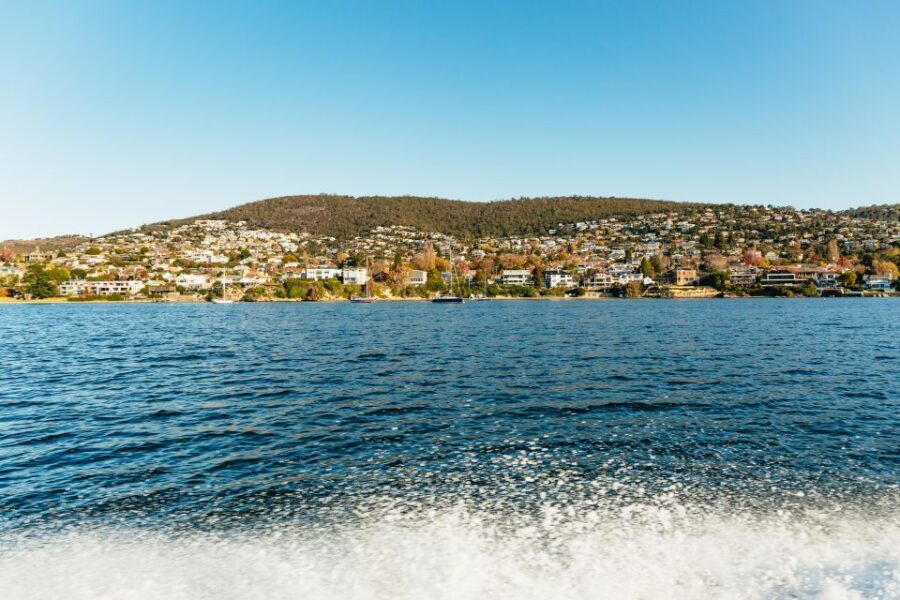
The first stretch is all about getting your bearings. You pass Battery Point, now a premium residential area, and you’ll notice how the city’s shape follows the coastline. You also glide by Wrest Point Casino and the Shot Tower, two sharp, recognizable waypoints that anchor the whole harbor story. Then the skyline reminder arrives: Mount Wellington rises over Hobart in a way that feels much bigger from sea level.
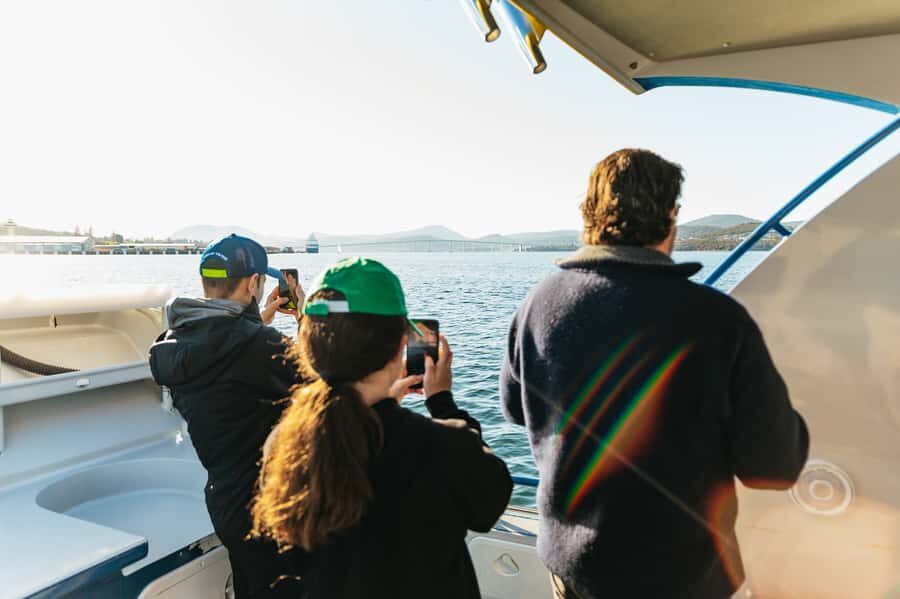
This is a good part of the trip to do two things. First, take photos while the view is steady and the boat ride is smoother. Second, listen for the guide’s connecting facts—how early Hobart settlers thought about shipping, shelter, and navigation. It’s the kind of context that makes later stops more meaningful instead of just scenic stops.
You can also read our reviews of more boat tours in Hobart
Iron Pot Lighthouse and the early Hobart stories that make it stick
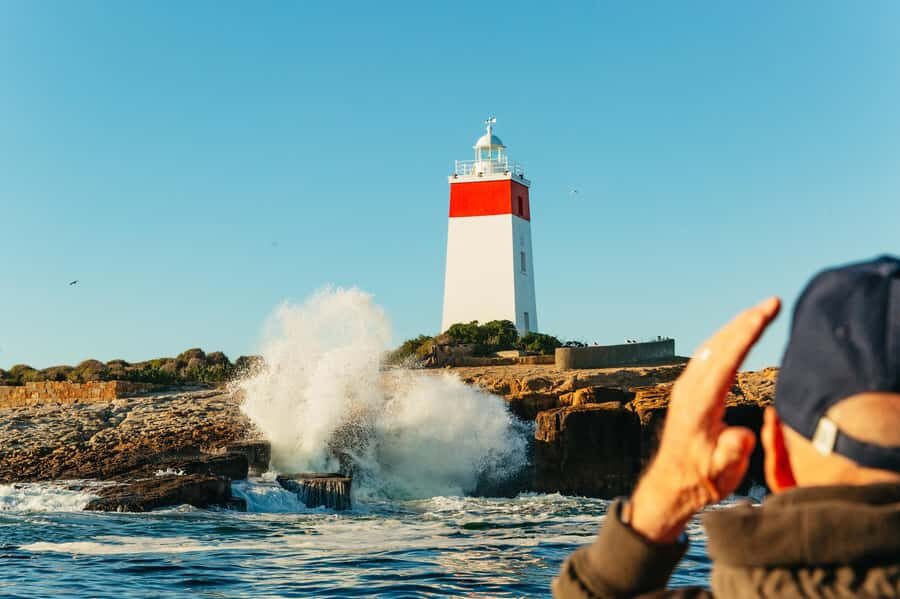
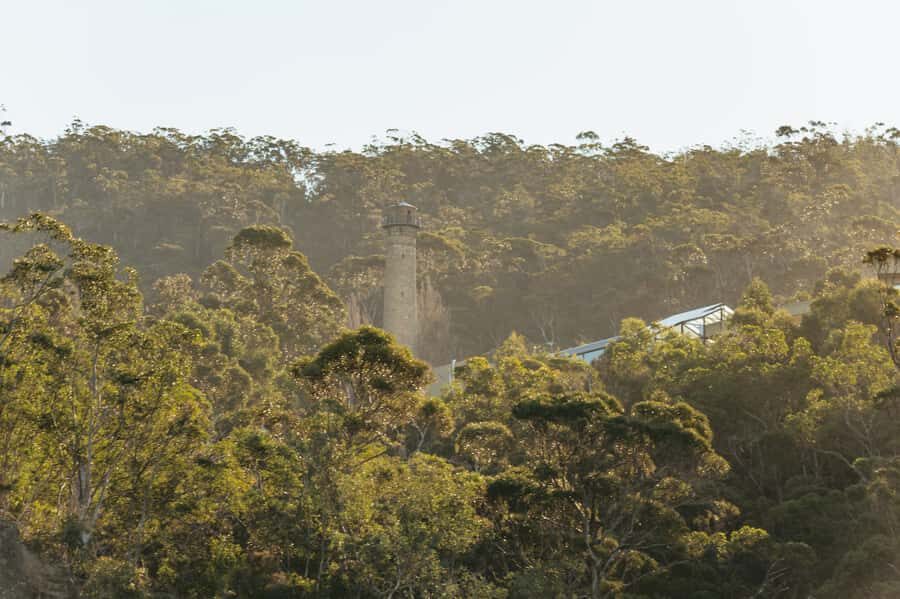
Iron Pot Lighthouse is the headline, but it works because the captain-guide treats it like a living piece of Hobart. When you arrive, you’re not just looking at a tower—you’re hearing what it meant when Hobart’s early settlement depended on safe passage.
The lighthouse is Australia’s oldest, and the guide ties that age to the daily reality of boats finding their way. Expect stories about early maritime life and why this stretch of water mattered. It’s history in action: not names and dates only, but reasons people built navigation tools here.
You’ll also get a chance to appreciate the scale. From the water, the lighthouse sits in a working seascape—birds, coastline, and wind all around it. That setting helps you understand why the lighthouse wasn’t just symbolic. It was practical.
One more plus: the boat’s enclosed cabin and windows make it easier to stay comfortable during lighthouse viewing and photo breaks. If the day gets windy, you’re still able to watch without constantly stepping in and out.
Storm Bay to Betsey Island: seabirds, Hope Beach, and close-to-shore moments
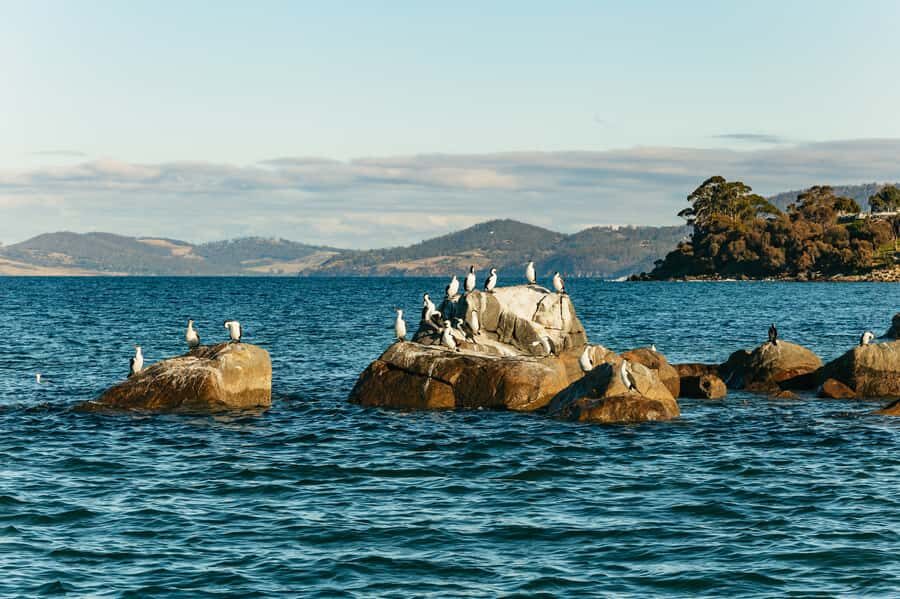
After the lighthouse, the cruise pushes farther south into Storm Bay, and that’s where the scenery gets wilder. You reach Betsey Island, an uninhabited spot that turns into a seabird hub. This is where you’re most likely to slow down and watch instead of just snap pictures.
As you cruise around Betsey Island, keep an eye out for gulls, cormorants, and the white-bellied sea eagle. The guide usually helps you track what you’re seeing, and the small-group size means it’s easier to get a clear view without a wall of people.
Then the route shifts toward Hope Beach, which comes into view as you circle the island. Hope Beach is known for its large breaks and strong offshore winds, which is why local surfers pay attention to it. The boat cruises close enough that you can feel how the swell carries up from the Southern Ocean—often the part that makes the trip feel more physical than just scenic.
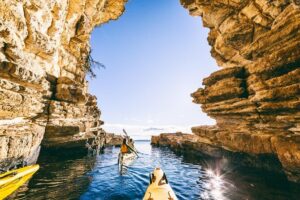
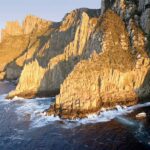
You’ll also encounter stretches with caves and secluded beaches, which is where the captain’s driving skills become part of the entertainment. In the feedback, people specifically mention great photo opportunities when the boat is positioned near rocky edges and even near cave-like spots. The goal isn’t a thrill ride—it’s getting you safe, close views.
Small-boat comfort: enclosed cabin, big windows, and guides who keep it human
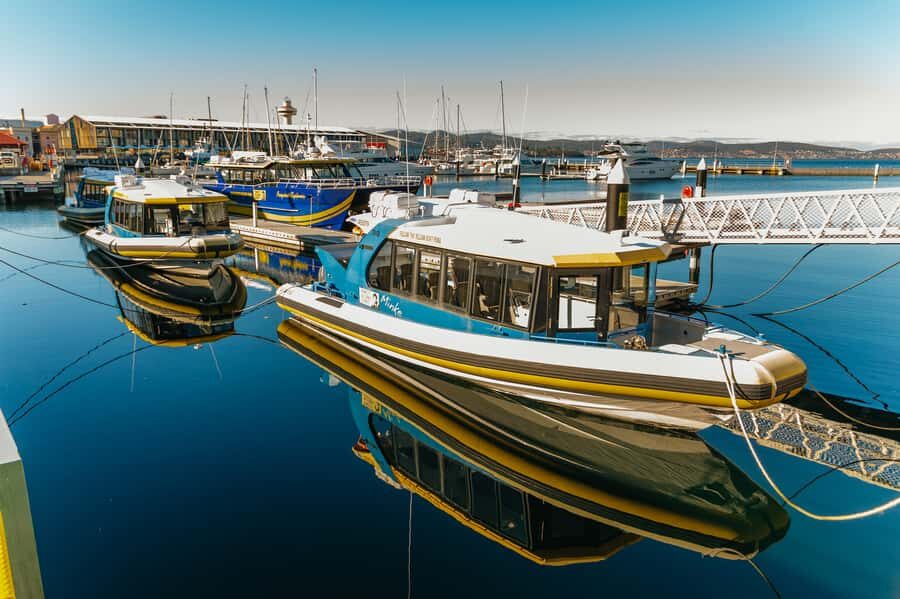
A big part of why this cruise gets such high marks is the way it’s run. You’re on newer-style vessels and the layout is made for actual sightseeing. You ride in an enclosed cabin with comfortable leather seats, plus large awning windows that give you a strong view even when the weather turns.
Up to 14 passengers is the magic number here. It keeps the atmosphere relaxed, and it also means the guide can talk to individuals. In the comments, people highlight friendly, interactive conversation and humor, not lectures. You might hear styles ranging from Captain and guide Hugh’s calm storytelling to skippers like Sam, Tom, Luke, Kate, Hamish, or Earl balancing facts with jokes.
Practical comfort details show up in the feedback too. People mention a toilet on board, and they liked having free water and juice. Some also mention drinks available while cruising. When a trip is only 2.5 hours, small comfort wins make the whole experience feel smoother.
This cruise is also a smart pick if you’re not sure you want a full day. You get a real chunk of time on the water, but you’re not committing your whole afternoon to transportation and long waits.
Wildlife odds and the sea-state reality check
Wildlife is a major draw here, and you don’t just get seabirds. The route and timing often line up with marine animals, especially when conditions are friendly.
From the experiences shared, people have spotted:
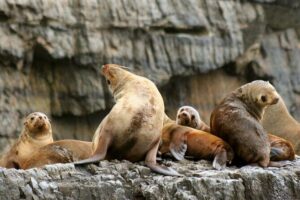
- seals (including Australian fur seals)
- dolphins, in pods
- humpback whales on some days
- sea lions
- albatross and other seabird species
That said, this is nature on its schedule, not yours. If the sea is rough, wildlife might keep moving and you might see fewer animals. If it’s calmer, you may get more consistent sightings and longer looks.
Now for the part you should take seriously: Storm Bay can feel bumpy. Some people describe a rocky ride when it’s windy, and that’s normal for this type of cruise. One person mentioned motion sickness and said this trip didn’t trigger it, but you should still plan like it might.
Your best move: dress for the conditions, keep layers on hand, and bring your camera so you’re ready when the boat pauses or changes angle. Comfortable shoes help too, since you may move around during short photo stops.

Price, meeting point, and how to judge the value of $102
At $102 per person for 150 minutes, this isn’t a bargain-fare ferry. But it also isn’t just transportation. You’re paying for a small group, a guide who connects what you see to how Hobart works, and a boat able to reach the spots that give the cruise its personality.
The value shows up in three ways:
- Time on the right water: Derwent River landmarks, then Storm Bay, then Betsey Island.
- Close views: the cruise gets near coastlines and features like Hope Beach and caves.
- Guide-led context: lighthouse stories, ecology notes, and practical explanations that help you understand what you’re watching.
Logistics are straightforward. You meet at Dock Head Building, Franklin Wharf, Hobart. Plan to arrive with a little buffer so you’re not rushed at the dock, especially if it’s chilly or windy.
Who should do this? If you’re into lighthouses, birds, and coastline scenery, you’ll enjoy the pacing. It’s also a good intro to Hobart from the sea, especially if you want a half-day activity that still feels like you went somewhere.
Should you book the Hobart Iron Pot Lighthouse cruise?
If you want a half-day that mixes landmarks, wildlife, and a real sense of why this harbor matters, I’d book it. The small group size keeps it personal, and the enclosed, windowed cabin helps you enjoy the ride even when weather changes.
I’d think twice only if you strongly hate choppy water or you can’t handle boat movement. Otherwise, bring warm layers, comfy shoes, and your camera, and you’ll likely leave with a new appreciation for Hobart from the water.
FAQ
How long is the Iron Pot Lighthouse cruise?
The cruise runs for 150 minutes, which is about 2.5 hours.
What group size is this cruise?
It’s a small-group cruise with up to 14 passengers.
Where do I meet for the tour?
You meet at Dock Head Building, Franklin Wharf, Hobart.
What should I bring?
Wear comfortable shoes and dress to the conditions. Bring your camera if you want photos.
Is there a minimum age to join?
No minimum age is listed.
Do tours depart daily?
Yes, tours depart daily.
Can I cancel and get a full refund?
Yes. You can cancel up to 24 hours in advance for a full refund.
Is reserve now and pay later available?
Yes. You can reserve now and pay later to keep plans flexible.