REVIEW · HOBART
6-Day Tasmanian Explorer Adventure Tour from Hobart
Book on Viator →Operated by Under Down Under Tours · Bookable on Viator
Tasmania, stitched together in six days. This organised tour links big-ticket stops like Cradle Mountain, Freycinet National Park, and the Bay of Fires without you spending your time planning buses and parking. I like the fact that the day-to-day driving is handled for you, so you can focus on the walks and the wow moments.
I also love that your money goes where it should: 5 nights accommodation plus national park entry fees are part of the package. The trade-off is that it’s a full schedule with some moderate walking and early starts, so it’s not the best fit if you want long, slow afternoons with nothing on the agenda.
In This Review
- Key highlights that make this tour worth your attention
- A Tasmania loop that feels efficient (without turning into a sprint)
- Price and what you actually get for $887.12
- Morning start in Hobart: how the logistics stay simple
- Day 1: Mount Field’s giants, Lake St Clair, and a first taste of the West Coast
- Day 2: Henty Dunes and Ocean Beach, then the optional Gordon River Cruise
- Day 3: Cradle Mountain walks and Sheffield’s street art stop
- Day 4: Cataract Gorge wallabies, St Helens lunch, Bay of Fires coast, and penguin country in Bicheno
- Day 5: Freycinet National Park lookouts and a Hobart night with choices
- Day 6: Bonorong devils, Richmond’s colonial charm, and kunanyi in Wellington Park
- What to bring and how to pace yourself on moderate walks
- Should you book this Tasmania Explorer Tour?
- FAQ
- How long is the 6-Day Tasmanian Explorer Adventure Tour?
- Where does the tour start, and what time does it begin?
- Does the tour include pickup and drop-off in Hobart?
- What’s included in the tour price?
- What isn’t included?
- Is the group size limited?
- What fitness level do I need?
- Is there a minimum age?
- Can I change or get a refund if I cancel?
Key highlights that make this tour worth your attention
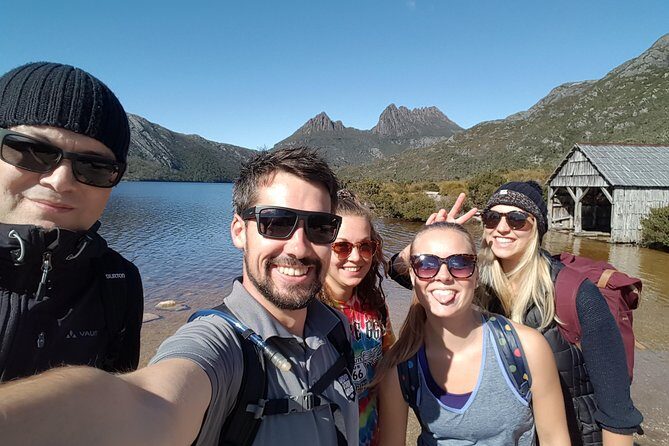
- Max 24 people: small enough for real conversation, big enough that the bus doesn’t feel cramped.
- Pickup and drop-off in Hobart: you start from YHA Hobart Central and return there, which cuts stress fast.
- Accommodation and park fees included: you’re not doing line-item math at every national park gate.
- Cradle Mountain walk choices: you can pick a route that matches your comfort level.
- Wildlife focus: Bonorong puts Tasmanian devils on your radar, and Bicheno is timed for little penguins returning at night.
A Tasmania loop that feels efficient (without turning into a sprint)
This 6-day Tasmanian Explorer Adventure Tour works because it treats driving time like a means to an end, not the main event. You get a steady rhythm: short, guided stops for the signature sights, then longer stretches of scenery where you can rest and watch the world change outside the window.
You’ll be moving through very different parts of the island: tall-tree wonder at Mount Field, freshwater drama at Lake St Clair, world-heritage rainforest country near Strahan, then alpine scenery at Cradle Mountain. By the time you reach the east coast, the pace shifts again into beach walks and coastal lookouts.
The best part for me is how the tour keeps you engaged. Instead of stopping randomly, the schedule clusters each day around a few meaningful anchors, and your guide’s commentary helps you understand why each place matters (environment, history, and what to look for on the ground).
You can also read our reviews of more tours and experiences in Hobart
Price and what you actually get for $887.12

At $887.12 per person for about 6 days, the value depends on what you’d otherwise pay for yourself. If you’re planning to rent a car, handle accommodation, buy entry fees, and coordinate long distances across Tasmania, this package often looks pretty sensible.
Here’s what’s clearly included:
- 5 nights accommodation
- National park entry fees
- Bonorong Wildlife Sanctuary entry (including Tasmanian devils)
- Expert guide
- Advanced Eco-Certified Tour
- Hobart CBD pickup and drop-off from the start area
And what’s not included:
- Food and drinks, unless specified in the itinerary
- The optional World Heritage Cruises add-on (the Gordon River Cruise option is listed as not included)
One small caution: included accommodation doesn’t mean hotel luxury. Some nights can mean simpler rooms depending on where the group stays. You should expect practical comfort, not a spa vacation.
Morning start in Hobart: how the logistics stay simple
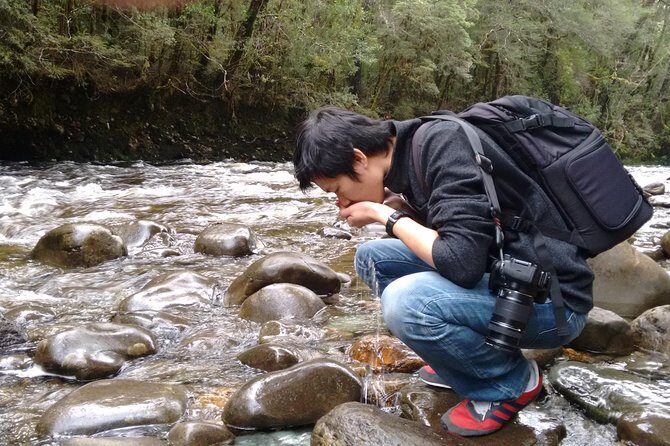
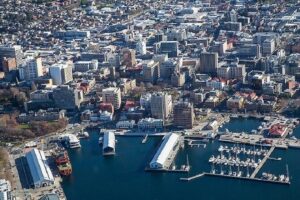
You’ll kick off at 7:00 am from YHA Hobart Central, 9 Argyle St, Hobart. The tour runs back to the same meeting point at the end, which makes the last day easier to plan—you’re not hunting for a ride to the airport or trying to time a separate transfer.
The tour also uses a mobile ticket, so you’re not juggling paper vouchers. And with a maximum group size of 24, you’re unlikely to feel lost in a crowd, especially when your guide is pointing out what you should notice at each stop.
If you’re the type who hates surprises, this is one of the calmer ways to do Tasmania: you show up, you get transported, and you’re guided through the key regions.
Day 1: Mount Field’s giants, Lake St Clair, and a first taste of the West Coast
Day 1 is about contrast. You start in the “tall trees” zone, then shift toward glacial lake scenery, and end in the harbourside mood of Strahan.
Mount Field National Park and Russell Falls
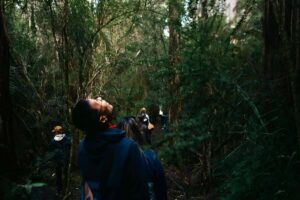
You get about an hour here, with Russell Falls highlighted as a must-see. This is one of those stops that doesn’t need a long hike to feel impressive. The big win is that it sets the tone for Tasmania’s wetter, older forests early in the trip.
A practical tip: wear footwear with decent grip. Walkways can be damp even when the weather looks fine from the bus.
Lake St Clair
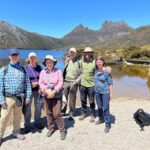
Then you head to Australia’s deepest freshwater lake. Your time here includes lunch and a wander along short tracks. That matters because you’re not just passing by—you’re getting a small, relaxed walk after long-distance driving.
If you like light pacing, Lake St Clair is one of the more comfortable stretches of Day 1. It’s also a helpful reset before the harder-driving day into rainforest territory.
Franklin-Gordon Wild Rivers National Park
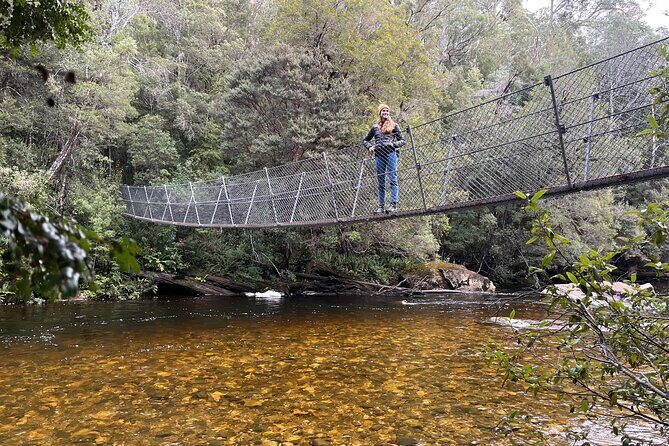
This part leans into history and environment. You’ll typically stop at Nelson Falls and the Franklin River area for about two hours. The guide’s job here is especially valuable: you’re not just looking at scenery, you’re learning how this wild country got shaped by both nature and people.
Queenstown (Tasmanian mining town stories)
You’ll pass through the rugged scenery around Queenstown for a shorter stop. This is the quick-hit taste of the old European mining-era landscape, with your guide explaining what shaped the region.
Strahan for the night
Overnight in Strahan, a harbourside town on Macquarie Harbour that also feels like a gateway to world-heritage rainforests. Strahan is the kind of place where your first night helps you understand why the rest of the route works so well: you’re transitioning from inland forest to coastal wilderness.
Day 2: Henty Dunes and Ocean Beach, then the optional Gordon River Cruise
Day 2 is built around west-coast air and big sand. It’s a good day for people who like dramatic changes in scenery and want a bit of effort in exchange for views.
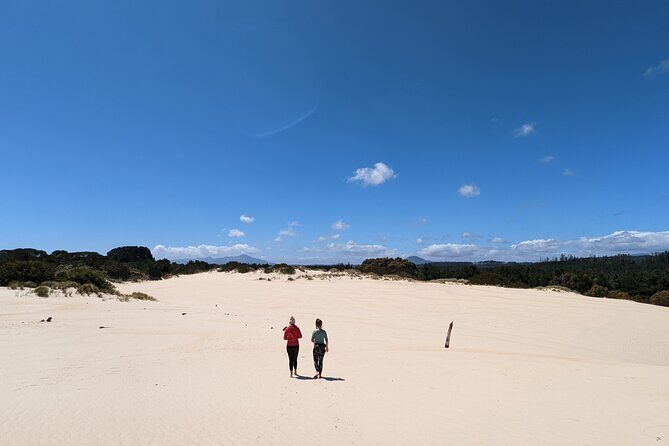
Henty Dunes
You’ll climb up the dunes for about an hour. It’s not a technical hike, but it’s real work under sun and sand. The payoff is the expansive look over the coast and the feeling that you’re standing in a living postcard.
Ocean Beach
A shorter stop follows at Ocean Beach. The itinerary describes it as clean air country and gives you about 45 minutes to take it in. This is a nice break from driving: just stand, breathe, and look.
Strahan in daylight
You also get another chance to see Strahan, with time for exploring town and then heading out toward nearby rainforest and dunes. Even with limited time, this stop helps you feel grounded before the boat option.
Optional World Heritage Cruises (Gordon River Cruise)
If you want the water-and-rainforest highlight, there’s an option: the Gordon River Cruise from 9:00 am to 2:00 pm, with key stops including Hells Gates and Sarah Island, plus upriver rainforest scenery. Admission for this is not included, so it’s an add-on you’ll decide on based on your budget and weather tolerance.
My advice: choose this cruise if you like the idea of seeing deep, protected rainforest from the water. Skip it if you prefer staying flexible on land.
Day 3: Cradle Mountain walks and Sheffield’s street art stop
Day 3 is when the trip really turns alpine. Cradle Mountain is the centerpiece, and the rest of the day is designed to soften the edges afterward.
Cradle Mountain National Park
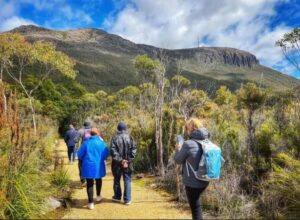
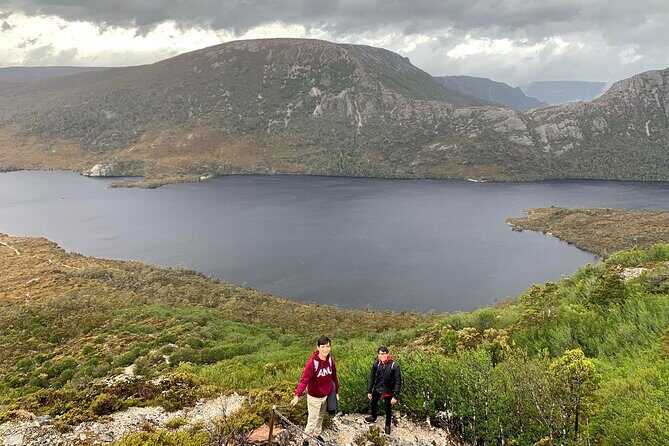
You’ll spend about five hours here, and the best detail is that you can pick a walk to match your fitness. The itinerary calls out the Dove Lake circuit as one of the best short walks in Australia. That gives you an approachable way to enjoy Cradle Mountain without betting everything on long distances.
This is also a day where layers matter. Cradle Mountain can feel colder and windier than the lower areas, even when the rest of Tasmania is mild.
Sheffield: Town of Murals
On the way toward Launceston, you stop in Sheffield, known for its colourful mural scenes and local-life artwork. It’s a quick 45-minute pause that breaks up the drive with something visual and easy to enjoy.
Launceston for the night
You’ll stay overnight in Launceston, with an evening that keeps you free to explore. If you want a low-effort dinner plan, this is a good night to pick something simple and early—tomorrow includes coastal walks.
Day 4: Cataract Gorge wallabies, St Helens lunch, Bay of Fires coast, and penguin country in Bicheno
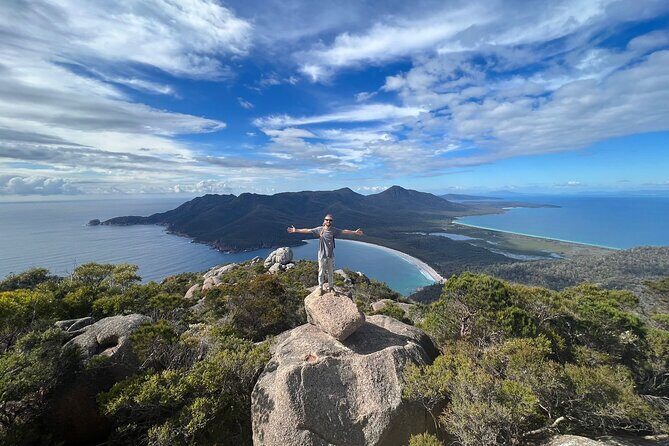
Day 4 is where Tasmania goes full coastal. You go from a city nature reserve to beach sand and lichen-covered rocks—then you sleep in the town that makes little penguin sightings part of the nightly rhythm.
Cataract Gorge Reserve
This stop is inside the city, which is why it’s smart. You get a short walk along the South Esk River and a chance to look for wallabies and peacocks. Even if wildlife spotting isn’t guaranteed, the walk itself is easy to enjoy.
St Helens (lunch on the east coast)
Then you arrive at St Helens for about an hour, including lunch. This is the point where the east coast starts feeling different: fishing-town vibe, open air, and a flatter rhythm before you hit the more scenic shoreline stretches.
Bay of Fires
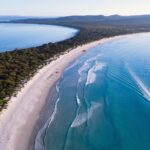
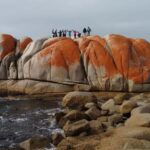
Bay of Fires is timed for slow viewing: about two hours to walk the white sands of the area known as larapuna/ Bay of Fires. The highlight is the look of turquoise waters and orange boulders covered with lichen—plus the reminder that this is an important area for palawa people.
Worth knowing: you’ll likely want sun protection and water here. The beaches can look calm and still feel intense on a hot day.
Bicheno overnight
You’ll end Day 4 in Bicheno, a beach town and home base for the next day’s vibes. The itinerary notes that little penguins burrow in the shore and return from the sea at night. Even if your viewing isn’t guaranteed by timing, you’re in the right place to understand the local rhythm.
Day 5: Freycinet National Park lookouts and a Hobart night with choices
Day 5 starts with national-park scale and ends with city energy. That mix is one reason the itinerary works.
Freycinet National Park
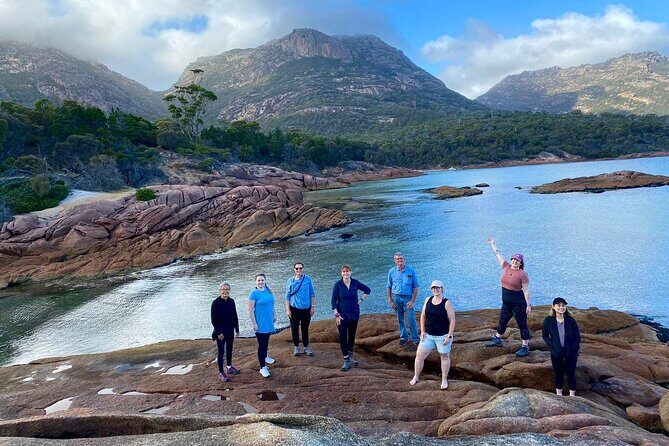
You’ll spend about five hours exploring beaches, forests, coves, and lookouts. You’ll see the Hazards mountain range from Honeymoon Bay. This is the day for people who like viewpoints and want a sense of how Tasmania’s east coast carves itself into dramatic coastline.
If you’re choosing your pace, look at it this way: you can enjoy Freycinet even if you don’t go for the longest walks, because there are multiple chances to stop, look, and take photos from different angles.
Hobart for the night
Then it’s Hobart for about 12 hours. You can keep it simple with an evening walk along the historic waterfront and the Salamanca region, or head toward restaurants and bars by North Hobart.
This is the best time in the schedule to reset your brain. Cradle Mountain and Bay of Fires can be mentally loud in the best way. Hobart lets you decompress.
Day 6: Bonorong devils, Richmond’s colonial charm, and kunanyi in Wellington Park
Day 6 is a strong closer because it mixes wildlife, heritage, and one last nature hit above the city.
Bonorong Wildlife Sanctuary
You’ll visit for about 1.5 hours with entry included. Bonorong is described as Tasmania’s best-known conservation and wildlife sanctuary, and you’ll meet animals like quolls, birds, wombats, kangaroos, and Tasmanian devils.
This stop is worth prioritizing because it’s one of the most reliable ways to see iconic species. You’re not relying on luck, weather, or darkness.
Also, it’s a good match for the kind of guides who bring stories to the trip. In past groups, guides such as Wombat and Josh have been known for keeping commentary sharp and tying wildlife to the broader conservation picture.
Richmond
Next comes Richmond for about two hours, including lunch. You’ll explore Richmond Bridge and walk through the colonial village streets lined with trees and heritage buildings. It’s easy walking and a nice contrast to the rugged national parks earlier in the week.
Wellington Park / kunanyi
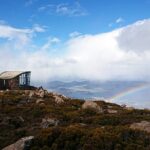
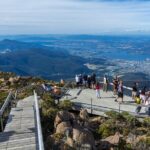
Finally, you head to Wellington Park, locally known as The Mountain and also described with its palawa name kunanyi. The itinerary mentions guided features like fern glades, eucalyptus forests, and dramatic rock columns, so this isn’t just a scenic turnout—it’s a final guided nature chapter.
Then you return to the meeting point back at YHA Hobart Central.
What to bring and how to pace yourself on moderate walks
This tour is built for people with moderate physical fitness. That doesn’t mean you need to be a trail athlete, but you do need to be comfortable walking on uneven ground at times and spending long stretches on a bus.
Here’s what matters most for your comfort:
- Shoes with grip for sand and damp paths
- Layers for changing temperatures across mountains and coast
- A small daypack for water and a snack between longer stops
- Plan for early days; the 7:00 am start sets the tempo
If you’re worried about the walking, focus on the fact that Cradle Mountain explicitly offers walk options. You can match the day to your energy instead of forcing a one-size route.
Should you book this Tasmania Explorer Tour?
You should book it if you want a guided road trip that covers the big names—Cradle Mountain, Freycinet, Bay of Fires—while keeping your planning simple. It’s especially good value when you factor in 5 nights accommodation and national park entry fees bundled into the price.
Don’t book it if you want total freedom to linger, because the schedule is packed and the travel days are real. It’s also not the best match if you dislike structured walking on varied ground, even when the route gives options.
FAQ
How long is the 6-Day Tasmanian Explorer Adventure Tour?
It runs for 6 days (approximately).
Where does the tour start, and what time does it begin?
It starts at YHA Hobart Central, 9 Argyle St, Hobart, at 7:00 am.
Does the tour include pickup and drop-off in Hobart?
Yes. Hobart CBD hotel, hostel, and motel pickup and drop-off are offered, and the tour ends back at the meeting point.
What’s included in the tour price?
Included items are 5 nights accommodation, national park entry fees, admission to Bonorong Wildlife Sanctuary, an expert guide, and the Advanced Eco-Certified Tour. Lake St Clair and other listed admissions are also marked as included where stated.
What isn’t included?
Food and drinks are not included unless specified in the itinerary. The optional World Heritage Cruises (Gordon River Cruise) admission is not included.
Is the group size limited?
Yes. The maximum group size is 24 travelers.
What fitness level do I need?
The tour asks for travelers with a moderate physical fitness level.
Is there a minimum age?
The minimum age is 8 years. Travelers aged between 8 and 16 need to travel with a guardian.
Can I change or get a refund if I cancel?
No. This experience is non-refundable and cannot be changed for any reason.