REVIEW · HOBART
Tasmania: Wilderness and Wildlife Guided 6-Day Tour
Book on GetYourGuide →Operated by Under Down Under Tours · Bookable on GetYourGuide
Tasmania hits different when you’re walking it, not just driving past. This guided 6-day loop mixes East Coast beach magic with Cradle Mountain hikes, plus wildlife stops like Bonorong.
I like the way the tour keeps options flexible each day, so you can match the walk to your energy. I also like that guides (people like Phil, Keygan, Tim, Brendon, and Hayden) bring local, practical know-how, not just a checklist.
One thing to consider: it’s an active itinerary with short walks most days, and the coach can feel a bit dated—comfortable enough, but not luxurious.
In This Review
- Key things that make this tour worth your time
- A car-free Tasmania route built around walking
- Day 1: Hobart to Strahan via Mount Field, Russell Falls, and Lake St Clair
- Day 2: West Coast wilderness with Henty Sand Dunes and Ocean Beach
- Day 3: Cradle Mountain—choose your walk from Dove Lake to Marion’s Lookout
- Day 4: Cataract Gorge and Bay of Fires white sands in Bicheno
- Day 5: Freycinet National Park, Wineglass Bay views, and Cape Tourville
- Day 6: Bonorong wildlife, Richmond’s streets, and kunanyi at Wellington Park
- Walking levels and gear: how to stay comfortable
- Price and value: what $831 per person really includes
- Who this tour suits best (and who should think twice)
- Should you book this Tasmania Wilderness and Wildlife Tour?
- FAQ
- What’s included in the tour price?
- What isn’t included?
- What kind of accommodation do you stay in?
- Is there an option to choose different walking distances each day?
- Can you see wildlife on this tour?
- How does luggage work during travel days?
- Where does the tour start and is pickup available?
Key things that make this tour worth your time
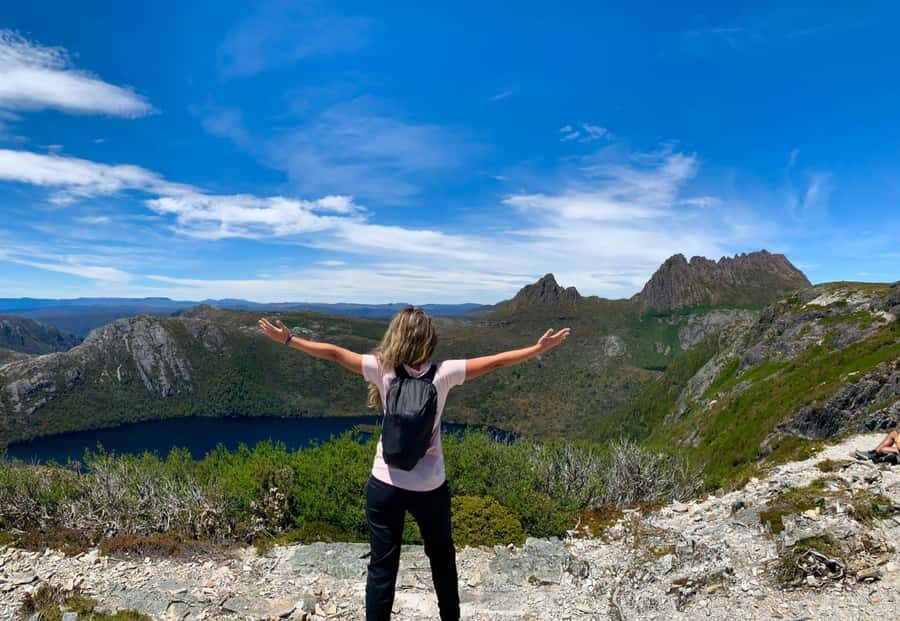
- Pick-your-walk hiking style at Cradle Mountain and other stops, so you can go shorter or more challenging.
- Real wildlife time, including Tasmanian devils at Bonorong and chances to spot wombats and wallabies on the way.
- Big scenery without a rental car, built for people who want the highlights handled for them.
- East Coast coastlines you’ll remember, especially Bay of Fires and Freycinet’s Wineglass Bay area.
- A strong mix of regions, from West Coast rainforests to alpine lakes and Tassie’s southern wine-and-farm valleys.
- Overnight towns that reduce backtracking, with nights in Strahan, Launceston, Bicheno, and Hobart.
A car-free Tasmania route built around walking
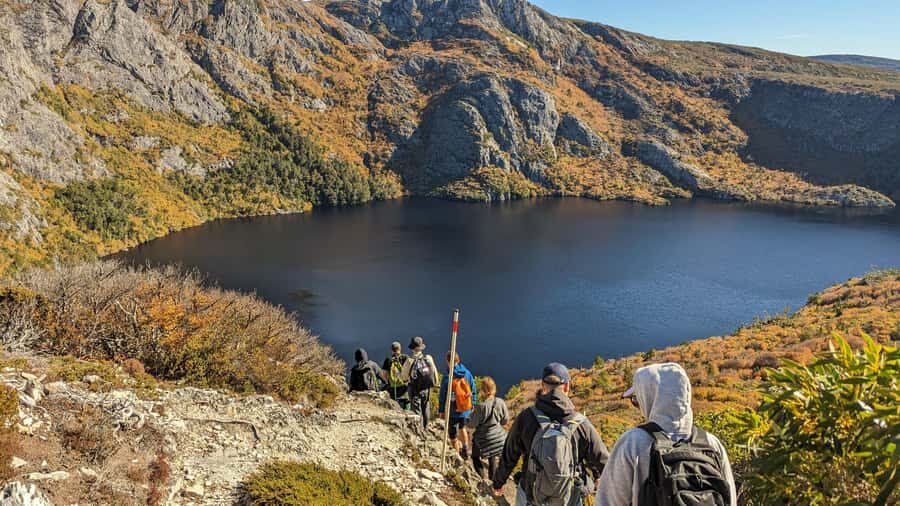
If your Tasmania plan includes beaches, rainforests, and mountains, but you don’t want the stress of driving, this is a solid format. You’re on a small-group tour with a live English-speaking guide, and you get commentary along the way so places make sense as you move through them.
What I like most is that “guided” doesn’t mean “you must do the hardest thing.” The tour is set up with short walks every day and multiple walk options, and it even notes you can walk without a guide on some occasions. That helps when your group has mixed fitness or you just want a slower pace.
The vibe is active, not sit-and-watch. You’ll be outside in wind and sun on coasts, and you’ll want warm layers for alpine and rainforest areas.
You can also read our reviews of more guided tours in Hobart

Day 1: Hobart to Strahan via Mount Field, Russell Falls, and Lake St Clair
Your first day starts by pointing west into Tasmania’s wild interior. You get Mount Field National Park and the chance to walk to Russell Falls, a favorite because it’s short and worthwhile: about 25 minutes return and roughly 1.4 km.
From there, the route goes deeper into classic Tasmanian scenery. You’ll pass through Franklin-Gordon National Park with rainforest and mountain views, stop at Lake St Clair—described as Australia’s deepest freshwater lake—and see the old mining town of Queenstown before reaching the harbourside village of Strahan.
Why this day works: you’re not just collecting famous names. It’s a shift in scenery—from tall-tree rainforest energy to deep-water calm—so the trip doesn’t feel repetitive. Also, being dropped into Strahan for the night helps you start Day 2 with less rushing.
Day 2: West Coast wilderness with Henty Sand Dunes and Ocean Beach
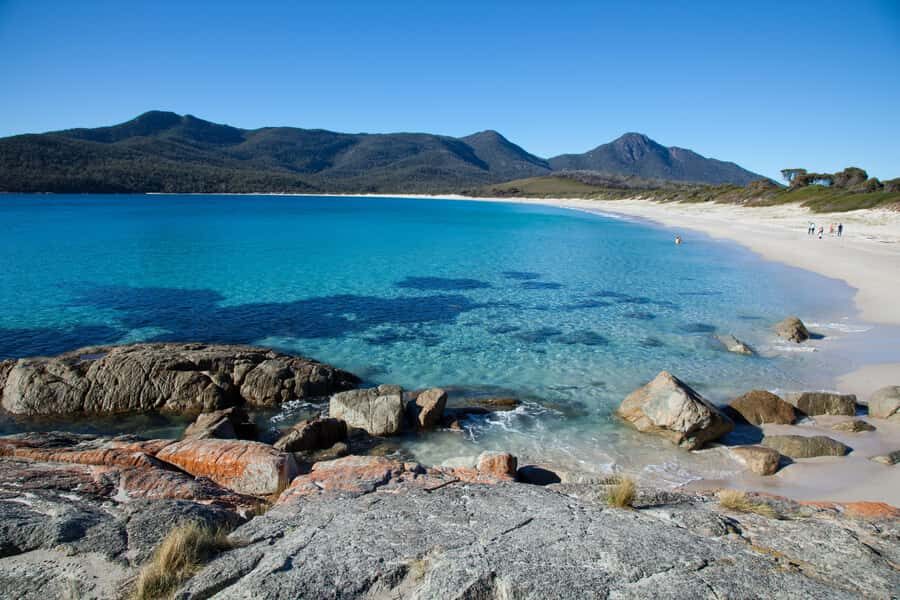
The West Coast is where Tasmania feels raw. Today you’re in the region locals often talk about with pride: Henty Sand Dunes and a guided nature walk in ancient rainforest.
You’ll also have an optional Gordon River cruise at your own expense. If you like turning one day into a water-and-wildlife bonus, this is the kind of add-on that can help you slow down after lots of walking.
The day ends with fresh air by the sea at Ocean Beach. That coastal reset matters because the West Coast can feel misty and dark under trees; the beach gives you open space and big sky to breathe.
One practical note: because you’re on the West Coast, bring warm layers even if the forecast looks mild. This isn’t a place where you want to gamble with a light jacket.
Day 3: Cradle Mountain—choose your walk from Dove Lake to Marion’s Lookout
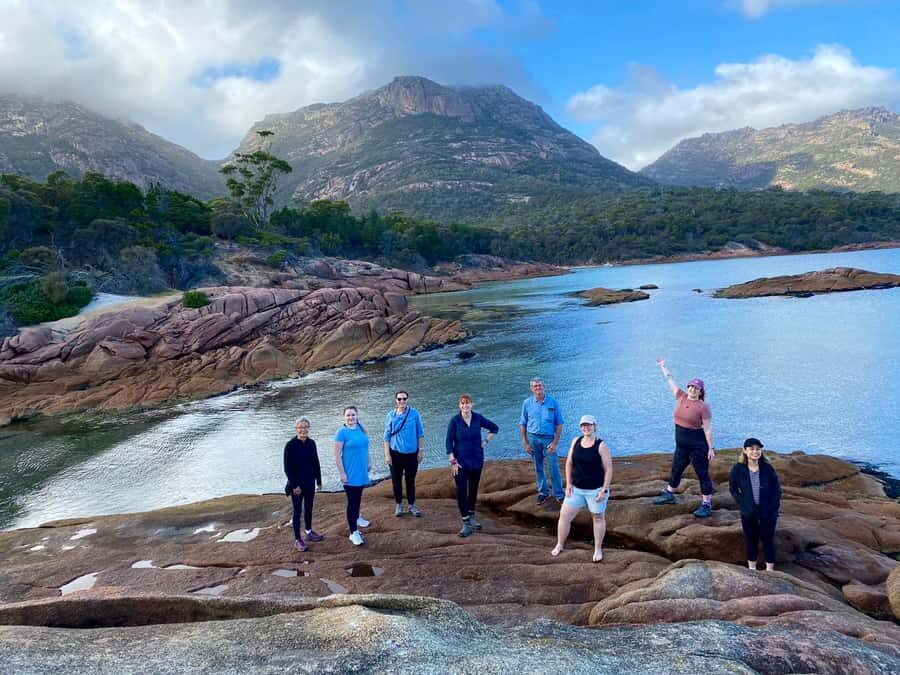
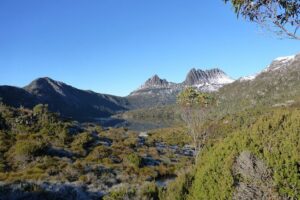
Day 3 is the alpine headline. You’re entering Cradle Mountain National Park, a World Heritage-listed area shaped by glaciers, with lakes and mountains that look dramatic even when clouds roll in.
You’ll have walk choices based on fitness and time. The Dove Lake circuit is one of the best short walks in Australia in this tour format—about 2 to 3 hours for a 6 km circuit. If you want a bigger effort, there’s also the climb toward Marion’s Lookout, which is described as more challenging.
The tour also includes wildlife spotting time at Ronny Creek, where you can look for wombats. And when the hiking is done, you head out of the highlands and stop in Sheffield, known for its Town of Murals, before overnight in Launceston.
Why this day is valuable: you’re not stuck doing one walk. Cradle Mountain can be a “wow” moment even if you scale the route to your ability, and you still get the alpine feel.
Day 4: Cataract Gorge and Bay of Fires white sands in Bicheno
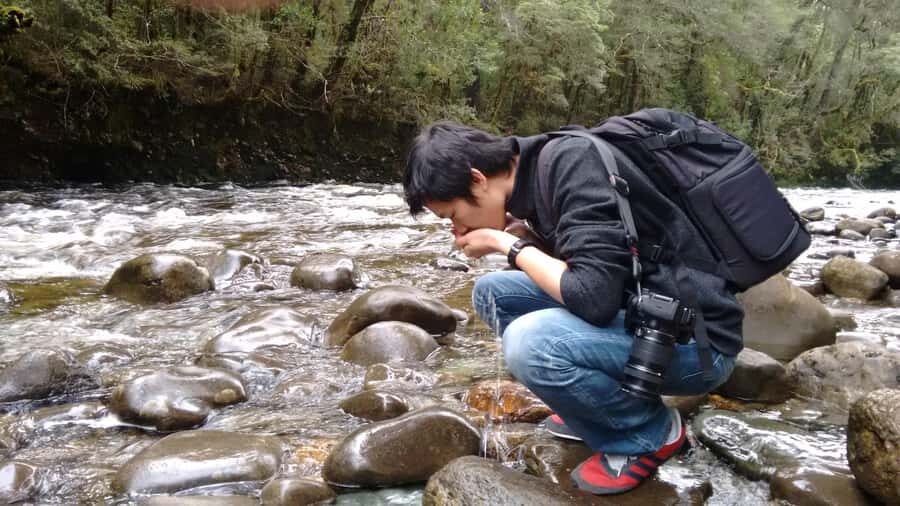
Leaving Launceston, the tour starts with Cataract Gorge. You get a chance to look for local wallabies, and it’s a nice way to transition from alpine to coast without feeling like you’re jumping straight into nonstop beachwalking.
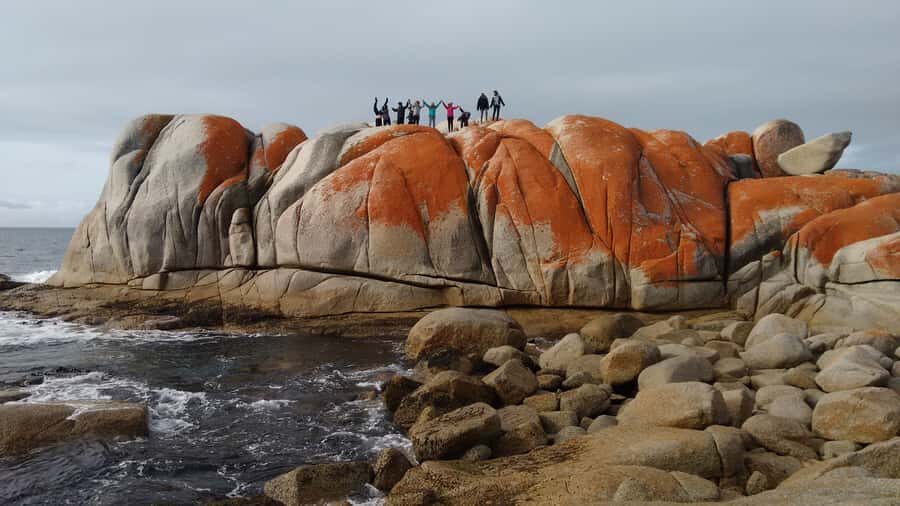
After that, the route heads for East Coast scenery with lunch at St Helens, then you move into one of Tasmania’s most famous beach stretches: Bay of Fires. This is where you get those long white-sand sections and the iconic coastal look.
You’ll spend the night in Bicheno, a fishing village where penguins can be seen emerging from the sea. That matters because it adds a nighttime wildlife moment, not just daytime views.
If you want a trip that feels balanced—mountains one day, coast the next—this is the day that does it. Also, the walking here is likely to feel easy-to-moderate for most people, especially compared with full-day hikes.
You can also read our reviews of more tours and experiences in Hobart



Day 5: Freycinet National Park, Wineglass Bay views, and Cape Tourville
Today is about Freycinet’s coast and viewpoints. Freycinet National Park is Tasmania’s best-known coastal park in this itinerary, and the day is built around beaches, coves, forests, and lookouts.
You’ll see the Hazards mountain range from Honeymoon Bay—a great “big picture” moment before you get closer to the shoreline. From there, you have another decision point: a challenging climb to Mt Amos is optional, or you can take the more accessible option to reach a lookout over Wineglass Bay and then continue down to view the beach below.
The day finishes with ocean and mountain views from Cape Tourville, then a drive back to Hobart via the Great Eastern Drive.
This day is ideal for people who want their photos earned. The route gives you classic panorama views, but you still have to walk a bit to reach them. Bring sunscreen and a hat, because coastal Tasmania sun can surprise you even when the air feels cool.
Day 6: Bonorong wildlife, Richmond’s streets, and kunanyi at Wellington Park

Your last day is all about wildlife plus culture, with a final nature finish in a place Tasmanians treat like a backyard mountain.
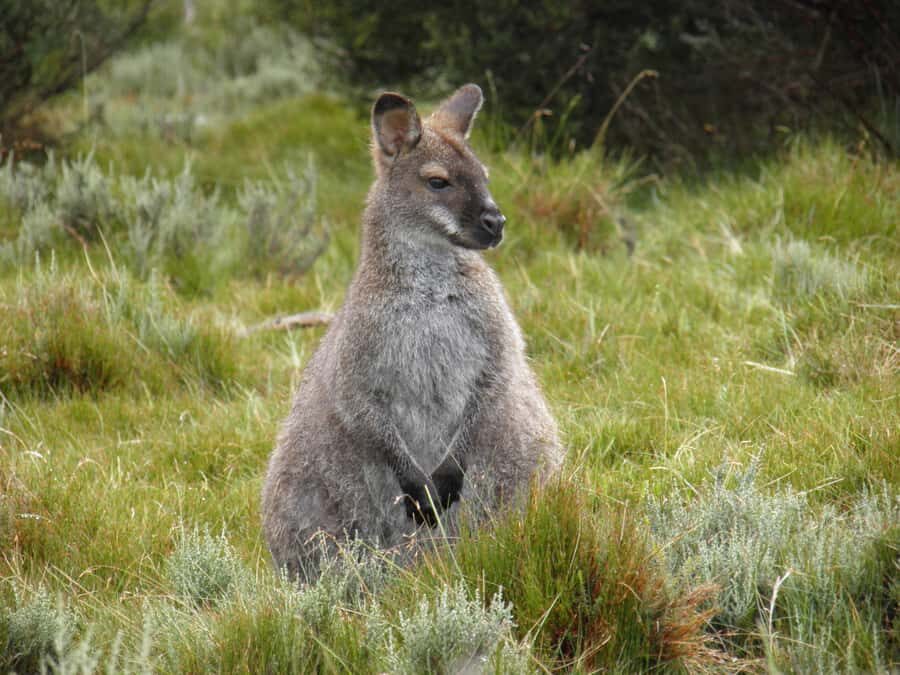
First stop is Bonorong Wildlife Sanctuary. This is the tour’s big wildlife block, with opportunities to meet a variety of Tasmanian animals such as quolls, birds, wombats, kangaroos, and Tasmanian devils. One review also points out that sanctuary staff can add a special layer to the experience, which is what you want from an organized wildlife visit.
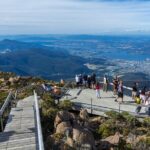
Then you walk around Richmond, a colonial village with an atmosphere that feels different from the wild parks. After that, you return to Hobart via the Coal River Valley, and finish at Wellington Park—known locally as The Mountain and by its palawa name kunanyi.
Wellington Park includes fern glades and eucalyptus forests, plus dramatic rock columns and boulder fields, with walking tracks that go to spectacular lookouts. It’s a fitting finale: you end with views and walking, not a long, tiring travel day.
Walking levels and gear: how to stay comfortable
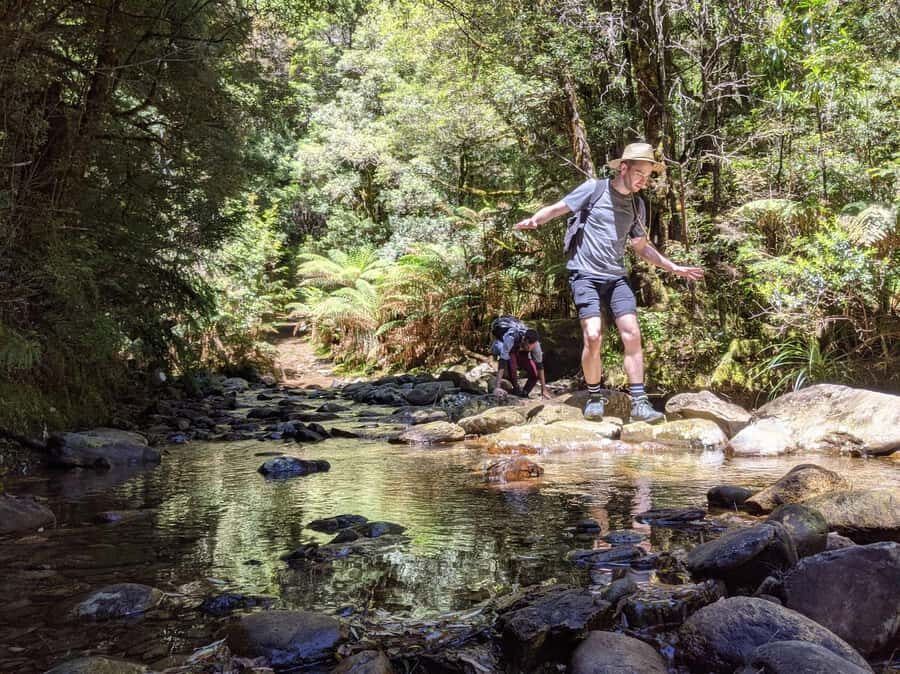
This is an active tour with short walks most days, and they’re generally easy to moderate. Most walks are optional, and your guide can help you choose a level that fits your mobility and comfort. Still, it’s not for people who want zero walking, and it’s not a good match for back problems or mobility impairments.
Use the examples to set your expectations. Russell Falls is listed as easy: 25 minutes return and flat, even surface. The Dove Lake circuit is the moderate example: 2 to 3 hours, 6 km, rough surfaces, steps, and short hills.
Pack like you’re doing outdoors, not just sightseeing. The tour suggests comfortable shoes (plus hiking shoes), warm clothing, sunglasses, a sun hat, sunscreen, water, long pants, and a reusable water bottle. It also suggests swimwear and a towel, which tells you the schedule may include moments where you can cool off if conditions allow.
You’ll also want to think about weather. Tasmania can shift quickly, especially in coastal and alpine areas, so bring layers you can adjust.
Price and value: what $831 per person really includes
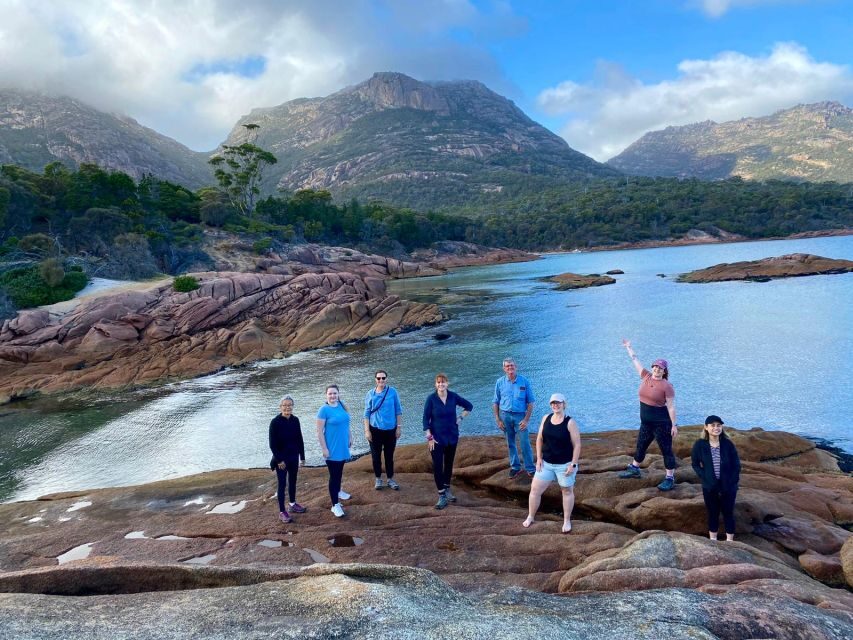
At $831 per person for 6 days, the value depends on what you’d otherwise pay if you drove yourself. This price includes 5 nights’ accommodation, national park entrance fees, entry to Bonorong, and guided walks with commentary. It also includes pick-ups and drop-offs at selected Hobart locations, and it includes luggage storage in a trailer on travel days (up to 20 kg).
Food and drinks are not included, so you’ll still spend on meals. Also, the Gordon River cruise is optional and at your own cost.
Where the math often lands in real life: you’re paying for the logistics—transport between regions, lodging nights, park fees, and an English-speaking guide who keeps the day moving and helps you choose walks. For many people, that’s worth it because Tasmania’s distances are real, and you lose a lot of vacation time coordinating everything.
One small downside worth flagging: one review notes the bus was a bit old. That doesn’t automatically mean uncomfortable, but it’s good to know if you’re picky about vehicles.
Who this tour suits best (and who should think twice)
This tour is a great fit if you want to experience multiple Tasmania regions without renting a car. It’s especially good for people who like wildlife encounters and want time to walk rather than just stare out a window.
It also fits mixed groups because each day offers choices for hike length and difficulty. Reviews highlight that guides can tailor the day to different energy levels, which is exactly what you need if your group includes both casual walkers and stronger hikers.
It’s not suitable for:
- children under 8
- people with back problems
- people with mobility impairments
You can still enjoy Tasmania with limitations elsewhere, but this one is built around getting out and moving.
Should you book this Tasmania Wilderness and Wildlife Tour?
I’d book it if you want a high-coverage itinerary with real walking, strong wildlife focus, and the convenience of having driving and park logistics handled. The combination of Bay of Fires, Freycinet/Wineglass Bay area, Cradle Mountain, and Bonorong is a smart way to hit Tasmania’s best-known natural hits in one go.
You might skip it if you’re chasing a fully relaxed trip with minimal walking, because this is active by design. If you’re sensitive to uneven terrain, steps, or longer hikes, make sure you’re comfortable with the moderate option—or be ready to lean on the easier alternatives.
If you’re deciding between self-driving and a guided loop, this tour is a strong “no map stress” option that still gives you freedom to choose how hard you work each day.
FAQ
What’s included in the tour price?
The tour includes pick-ups and drop-offs at selected Hobart city locations, 5 nights’ accommodation, commentary, guided walks (with an option to walk without a guide), national park entrance fees, and entry to Bonorong Wildlife Sanctuary.
What isn’t included?
Food and drinks aren’t included. The Gordon River cruise is optional and you’d pay for it separately.
What kind of accommodation do you stay in?
You’ll get 5 nights’ accommodation with options ranging from hostel-style rooms to motel rooms. Motels have private rooms with ensuite facilities, while hostels use same-gender dorms or private rooms with shared same-gender bathrooms. Twin or double bookings require a minimum of 2 people.
Is there an option to choose different walking distances each day?
Yes. The tour is described as having short walks every day with most walks classified as easy to moderate, and you can choose a walk to match your fitness and energy. Some key hikes (like Dove Lake or Marion’s Lookout at Cradle Mountain) are explicitly given as different levels.
Can you see wildlife on this tour?
You can look for Tasmanian wildlife on multiple days. Bonorong is the main wildlife sanctuary stop (including Tasmanian devils), and you can also look for wombats and wallabies during the route. Penguins may be seen in Bicheno as they emerge from the sea.
How does luggage work during travel days?
You can bring up to 20 kg of luggage. On travel days, it’s stored in a trailer.
Where does the tour start and is pickup available?
It starts in Hobart with pick-ups at selected Hobart city locations. Pickup is available from centrally located hotels or hostels in Hobart, but not from Airbnbs and private residences; the operator can suggest the closest pickup point if you’re outside the allocated area.