REVIEW · HOBART
Hobart: Mt. Field, Mt Wellington & Wildlife – Active Day Tour
Book on Viator →Operated by Tours Tasmania · Bookable on Viator
Mt Field and Bonorong in one day is a smart combo. I like this tour because it stacks short, scenic walks with guided interpretation and then finishes with the big-picture view from Kunanyi (Mt Wellington). You get a day that feels very Tasmanian without needing to drive the hairpin routes yourself.
My other favorite part is the animal time at Bonorong: you’re not just passing by enclosures, you’re with a guide who helps you view native wildlife calmly and from appropriate distances. One possible drawback: it’s a long day with several stops and some walking, so you’ll want a good baseline fitness level and comfy shoes.
In This Review
- Key highlights you’ll actually feel on the day
- Why this Hobart day tour makes sense (and saves your energy)
- Mt Field National Park: Russell Falls and the big tree walk combo
- Practical tip: bring the right footwear
- Tall Trees Track: walking among giant swamp gums
- What to expect from the pacing
- Bonorong Wildlife Sanctuary: Tasmanian devils and calm animal viewing
- Guide factor: the difference between facts and storytelling
- Kunanyi (Mt Wellington) summit: the clean, clear finish over Hobart
- Weather matters more than you think
- Price and value: is $132.69 a good deal?
- Who gets the best value?
- Walking level, group size, and what to wear
- What I recommend packing
- When the day goes right: what your “perfect day” looks like
- Who should book this tour (and who might think twice)
- Should you book Hobart: Mt. Field, Mt. Wellington & Wildlife?
- FAQ
- What time does the tour start in Hobart?
- How long is the tour?
- Do I get hotel pickup?
- Is food included?
- What’s included in the ticket price?
- Do I pay for Mt Field or Bonorong separately?
- How many people are in the group?
- What’s the minimum age for the tour?
- Is the walking strenuous?
- What if the weather is bad?
- Is it a mobile ticket?
Key highlights you’ll actually feel on the day
- Small group (max 20): easier pacing and more room for questions.
- Mt Field National Park is the core: Russell Falls plus the Tall Trees area and the Three Falls Circuit.
- Giant swamp gums: you’ll walk among towering trees reaching around 80 metres.
- Bonorong Wildlife Sanctuary includes Tasmanian devils: plus other native animals like kangaroos and wombats.
- Mt Wellington summit views: a clear-weather reward overlooking Hobart and southern Tasmania.
- Pickup and a mobile ticket: you travel with the group instead of figuring out parking and timing.
Why this Hobart day tour makes sense (and saves your energy)
If you’ve only got a short stay in Hobart, this is the kind of day that gives you multiple “wow” moments without the stress. You start with Mt Field National Park, which is famous for rainforest walks and waterfall stops. Then you shift gears to wildlife at Bonorong Wildlife Sanctuary—an easy win if you want Tasmanian animals without planning your own route. Finally, you head to the summit of Kunanyi / Mt Wellington for sweeping views across the region.
The real value here is that you’re not just sightseeing. You’re on guided, interpretive walks. That matters in Tasmania, where the plant life and geology can be hard to read unless someone points things out. A strong guide also helps you manage the group so you don’t feel like you’re constantly sprinting between stops.
The tour also uses a practical format: hotel pickup (for most central hotels and hostels), then an efficient route that keeps you moving. It’s especially helpful on a day when you might otherwise underestimate travel times between Hobart, Mt Field, and Mt Wellington.
You can also read our reviews of more tours and experiences in Hobart

Mt Field National Park: Russell Falls and the big tree walk combo
The day begins at Mount Field National Park, one of Tasmania’s oldest national parks. The pacing here is built around short walking loops and boardwalk-style paths—exactly what you want if you’re mixing a “see it” day with not burning out before lunch.
You’ll visit several named areas, including Russell Falls, Tall Trees Track, and Lady Barron Falls along the Three Falls Circuit. Even if you’re not a serious hiker, these are designed as approachable walks with real payoff: waterfall views and old-growth feel in a relatively compact area.
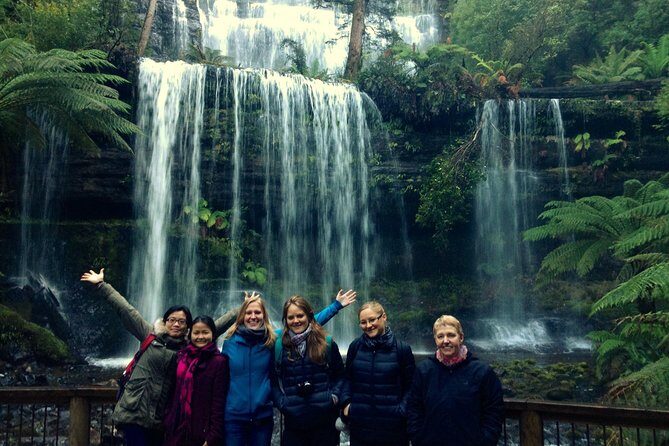
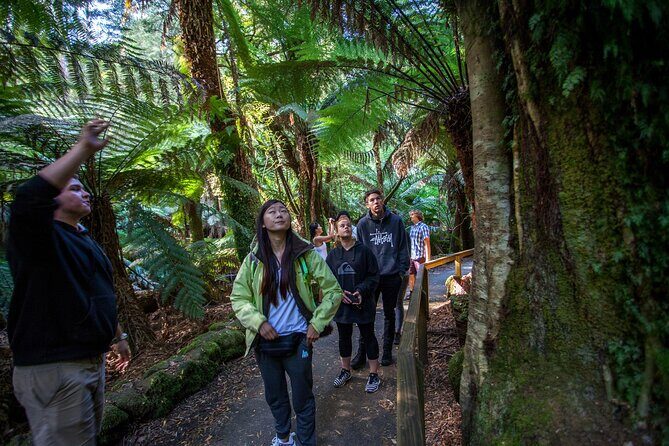
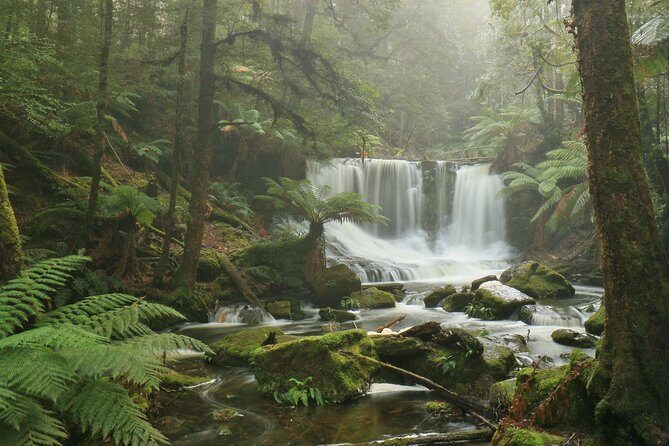
Russell Falls is often the first highlight because it’s visually clear and easy to enjoy. It’s known for its three-tiered drop, and the walk is an enjoyable route through forest and temperate rainforest species. This is the stop where you get that classic Tasmanian mix of cool air, damp greenery, and layered water sounds.
Practical tip: bring the right footwear
This is a rainforest setting with paths that can be slick. I’d plan on supportive shoes with grip, not thin sneakers. If you’re sensitive to uneven ground, a stickier sole will make the day feel much easier.
Tall Trees Track: walking among giant swamp gums
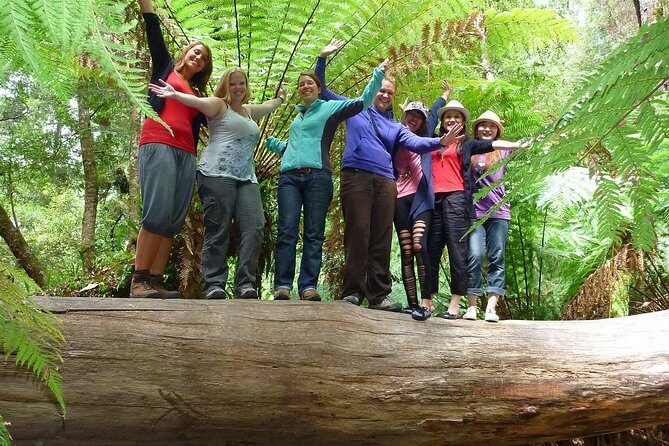
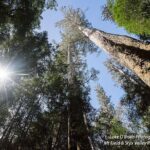
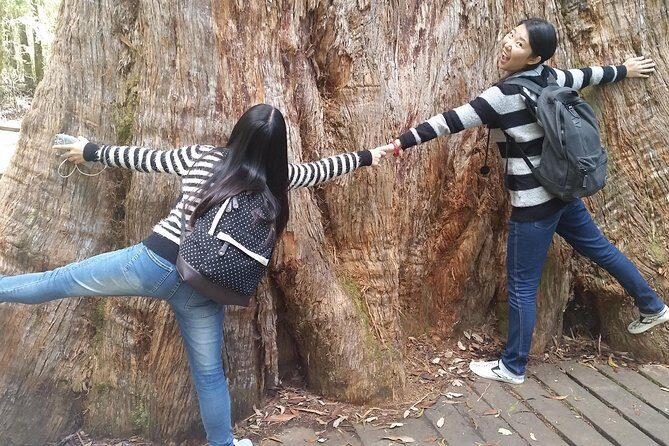
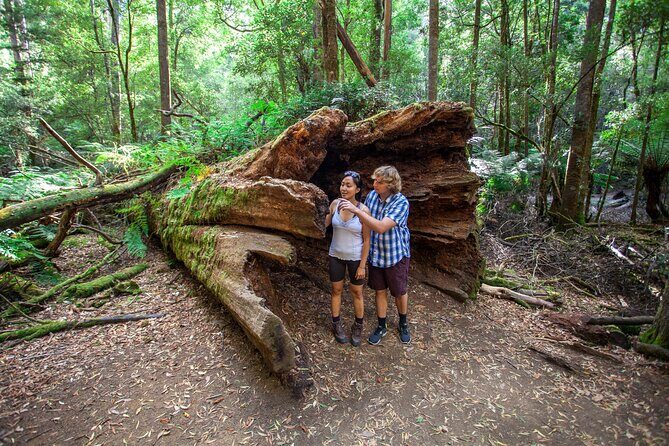
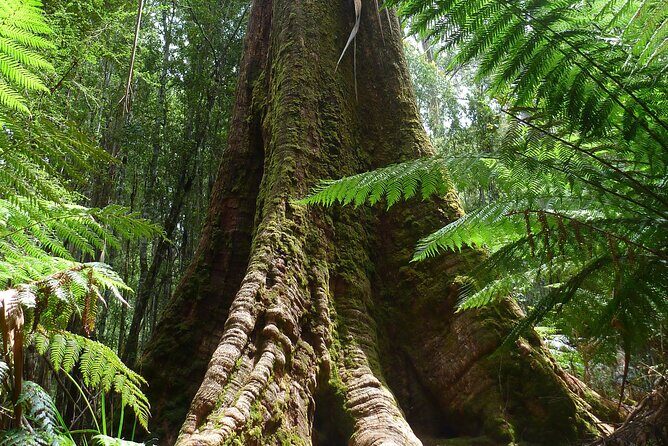
Next comes the Tall Trees Walk, a short circuit (about 30 minutes) that takes you through one of Mt Field’s most distinctive features: giant swamp gums reaching roughly 80 metres. That scale is hard to appreciate until you’re near the trees—suddenly the forest feels taller than you expected.
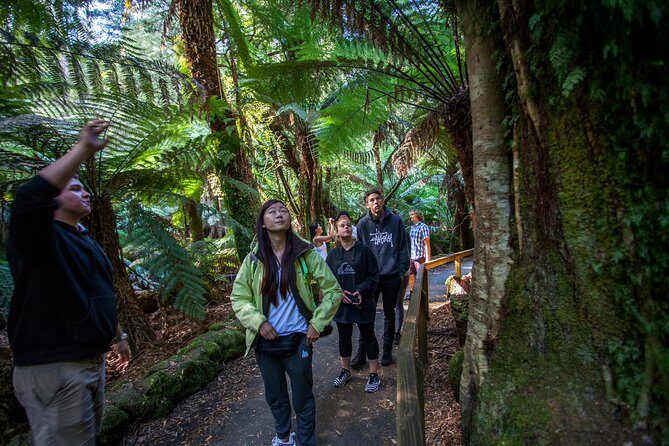
This is also where the tour’s “guided” style starts paying off. The trees aren’t just scenery; they’re part of Tasmania’s ecosystem story. You’ll get interpretation about flora and fauna, and it tends to make the walk more than a photo stop.
Then the itinerary continues toward Lady Barron Falls, again through the Tall Trees area as part of the broader Three Falls Circuit. Lady Barron Falls is a great change of mood from Russell Falls—different perspective, different angles, and more of that rainforest atmosphere as you move along the path.
What to expect from the pacing
Your time gets split across multiple short segments rather than one long hike. That’s usually a win for most people, but it does mean you should keep your “I want to linger” expectations realistic. If you’re the type who likes to stop for photos every five minutes, build in a little flexibility.

Bonorong Wildlife Sanctuary: Tasmanian devils and calm animal viewing
After the forest and waterfall time, you switch to Bonorong Wildlife Sanctuary for about one hour. This is where the day becomes more playful and direct: you’re meeting native wildlife up close (within the rules) and learning what makes Tasmanian animals unique.
The itinerary specifically calls out Tasmanian devils, along with animals like kangaroos and wombats. The vibe is educational without feeling like a classroom. The guide keeps wildlife disturbance to a minimum by explaining how to view from appropriate distances and with patience and respect. That’s a big deal because you’ll get the best “real encounter” feeling when animals aren’t stressed.
If you’ve ever worried about animal tours that feel too staged, this one’s built around responsible viewing. The tour also keeps you on tracks and boardwalks where possible, which helps reduce impact in sensitive habitats.
Guide factor: the difference between facts and storytelling
One thing I noticed from how this tour is described is that the guides don’t just recite facts—they turn observations into stories. For example, guides like Clinton and Lukas are cited as personable and full of local insight, and that kind of storytelling can make the wildlife hour feel like more than a quick pass-through.
And when you get a guide like Hannah or Nick, the day often becomes more fun and interactive—useful if you’re traveling with kids or you just don’t want a lecture-heavy experience.
Kunanyi (Mt Wellington) summit: the clean, clear finish over Hobart
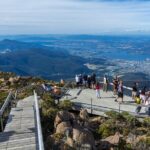
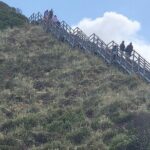
The final stop is the summit of Kunanyi / Mt Wellington. This is the payoff moment. The mountain sits above Hobart at 1271 metres, and on a clear day the views are meant to be expansive across southern Tasmania.
The tour allots about one hour here, with admission listed as free. The time at the summit is usually where you slow down, take in the weather, and decide where to stand for your favorite angle of the city and surrounding terrain.
One extra note from the way the tour is pitched: the summit isn’t just about distance and buildings. It’s also about how the mountain’s plant life shifts with elevation. So even if clouds roll in and you don’t get the “perfect postcard” horizon, you can still enjoy the mountain experience.
Weather matters more than you think
This tour requires good weather. If conditions are poor, it may be rescheduled or refunded. That’s not a small detail—Mt Wellington’s value is tied directly to visibility.
Price and value: is $132.69 a good deal?
At $132.69 per person, this isn’t a bargain-bin day trip. But it’s also not a bare-bones bus ride. The price includes professional guides and interpretive walks, national park fees, and Bonorong Wildlife Sanctuary entrance. That’s real money that you’d otherwise pay if you stitched the day together yourself.
What’s not included is the big cost you’ll likely notice: food and drinks. The tour notes that you can pre-purchase food or there will be an opportunity to buy a bakery-style takeaway lunch. So you’ll want to plan for lunch spending, and you may want snacks for the morning waterfall and tree walk stretch.
Also, there’s no luggage on board—only your day pack. If you’re traveling with lots of gear, that can change the “ease” factor. Pack light, or plan to leave bigger bags at your accommodation.
Who gets the best value?
- First-timers to Hobart who want a sampler day of rainforest + wildlife + views.
- People who don’t want to drive in unfamiliar areas.
- Anyone who values guided interpretation more than wandering alone.
Walking level, group size, and what to wear
The tour involves some walking and says you’ll want a suitable level of general health & fitness. It’s framed as a moderate activity, and the itinerary is built from short segments. Still, keep in mind that the day adds up: you’re walking repeatedly through forest paths and around waterfall areas.
A helpful feature is that the tour stays confined to tracks and boardwalks to minimize negative impacts. That usually means better footing and fewer surprises than off-trail hiking.
Group size is capped at 20 travelers, which makes the experience feel more personal than big coach tours. That’s also why guides can keep people together without feeling like they’re rushing everyone at gunpoint.
What I recommend packing
- Comfortable walking shoes with grip
- A light rain layer (even if it looks fine at pickup)
- Water in your day pack
- Sun protection, because Mt Wellington can still catch you off guard
- A backup snack for the gap between stops and lunch
When the day goes right: what your “perfect day” looks like
On a clear day, the day hits its rhythm: you’ll start in cooler rainforest air at Mt Field, then move into the awe-factor of towering trees and multiple waterfall viewpoints. After that, the wildlife hour breaks the day’s pace with direct animal encounters. Then, you finish with a summit view over Hobart that’s hard to replicate from street level.
The guides also seem to play a big role in how the day feels. People mention guides like David, Ian, Peter, Ben, Steve, Jeremy, Trevor, and Clinton as standout hosts, with the common thread being friendly energy and strong interpretation. Even if your guide is different, the tour’s format suggests you’re going to get more than just transport.
Who should book this tour (and who might think twice)
This tour is ideal if you want:
- A full day of iconic Tasmania in one shot: Mt Field waterfalls, Tasmanian wildlife, and Mt Wellington summit views
- Guided interpretation instead of solo planning
- A manageable walking day with tracks and circuits
You might think twice if:
- You dislike long days with multiple stops (this is roughly 11 hours)
- You have limited mobility or feel uncomfortable with repeated short walks
- You’re hoping for lots of free time at each location (the itinerary is structured)
Should you book Hobart: Mt. Field, Mt. Wellington & Wildlife?
I’d book it if you want the best “three big themes” day from Hobart: rainforest waterfalls, native animals, and the mountain skyline view. The mix is practical, and the inclusions (park fees, wildlife entrance, and guided interpretation) help justify the price.
If you’re the type who plans trips like a checklist, this tour will feel satisfying. If you prefer wandering with zero schedule pressure, it’s still worth considering, but you’ll want to mentally switch from wandering mode to guided-visit mode.
Best approach: pack light, wear grippy shoes, and keep an eye on the weather. If conditions are good, this is the kind of day that makes Tasmania feel close and real.
FAQ
What time does the tour start in Hobart?
It starts at 7:30 am. Hotel pickup is typically between 7:00 am and 7:30 am depending on where you’re staying.
How long is the tour?
The duration is about 11 hours (approx.).
Do I get hotel pickup?
Yes, pickup is available from most central city hotels and hostels. AirBnBs aren’t included, so you’ll need to arrange pickup from an eligible property.
Is food included?
No. Food and drinks aren’t included, but you can pre-purchase or buy a bakery-style takeaway lunch on tour.
What’s included in the ticket price?
National Park fees, professional guides with interpretive walks, small group handling, and the wildlife park entrance fee are included.
Do I pay for Mt Field or Bonorong separately?
No—park fees and Bonorong entrance are included in the tour.
How many people are in the group?
The tour maximum is 20 travelers.
What’s the minimum age for the tour?
The minimum age to participate is 8 years.
Is the walking strenuous?
It involves a small amount of walking and you’ll want a moderate physical fitness level. The activity is on tracks/boardwalks, but it’s still best to wear comfortable shoes.
What if the weather is bad?
The tour requires good weather. If it’s canceled due to poor weather, you’ll be offered a different date or a full refund.
Is it a mobile ticket?
Yes, it’s listed as a mobile ticket.