REVIEW · HOBART
Tasmania: 7-Day West to East Tour
Book on GetYourGuide →Operated by Under Down Under Tours · Bookable on GetYourGuide
Tasmania moves fast, but this route keeps up. You cover the island from Mt Field’s giant eucalyptus groves to Cradle Mountain’s alpine trails in seven days, with a guide who keeps the logistics smooth and the stops meaningful.
I love the wildlife focus, especially the chance to meet Tasmanian devils at Bonorong and to look (properly) for wombats and echidnas during the Cradle area walks. One drawback to plan for: this is an active tour with optional walks most days, and you’ll spend a fair amount of time on the road.
In This Review
- Key Things You’ll Notice on This Tasmania Highlights Tour
- Why This West-to-East Tasmania Route Works in One Week
- Day 1: Hobart to Strahan via Mt Field, Lake St Clair, and Queenstown Mining History
- Day 2: The West Coast’s Rainforest Walks, Henty Sand Dunes, and Ocean Beach
- Day 3: Cradle Mountain National Park Walks to Launceston via Sheffield Murals
- Day 4: Launceston Cataract Gorge, Bay of Fires White Sands, and Bicheno Little Penguins
- Day 5: Freycinet National Park’s Wineglass Bay Walk or Mt Amos Summit Climb
- Day 6: Bonorong Tasmanian Devils, Richmond Heritage Village, and kunanyi Views from Hobart
- Day 7: Port Arthur Historic Site, Harbor Cruise, and Crescent Bay on the Tasman Peninsula
- Price and Value: What $973 Covers and How to Judge It Fairly
- Walking Level, Group Pace, and Why Optional Trails Help
- Where You Sleep: Motel Comfort Versus Hostel Real-Life
- What to Bring So Tasmania Doesn’t Catch You Off Guard
- Who This Tour Fits Best (and Who Should Skip It)
- Should You Book This Tasmania Highlights Tour?
Key Things You’ll Notice on This Tasmania Highlights Tour
- Mt Field’s Russell Falls walk makes a strong first impression with short, easy time on the trail.
- West Coast nature + sand dunes gives you that rugged Tasmania feeling fast.
- Cradle Mountain options mean you’re not forced into one hike length.
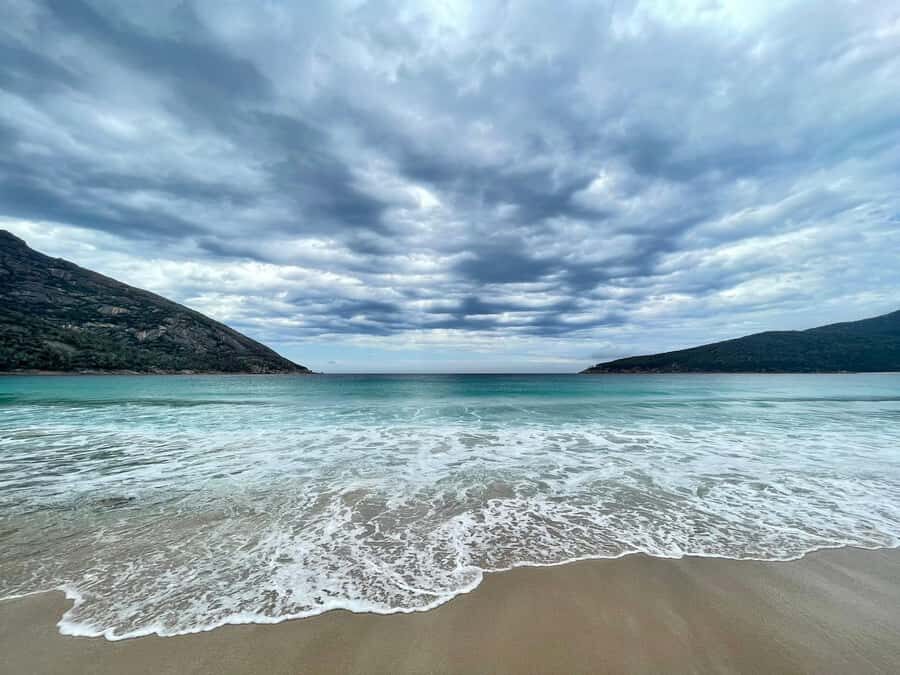
- Bay of Fires white sand and orange rocks is a memorable color combo you can actually walk right up to.
- Bonorong and Port Arthur cover two very different kinds of Tasmania wonder: living wildlife and convict history.
Why This West-to-East Tasmania Route Works in One Week
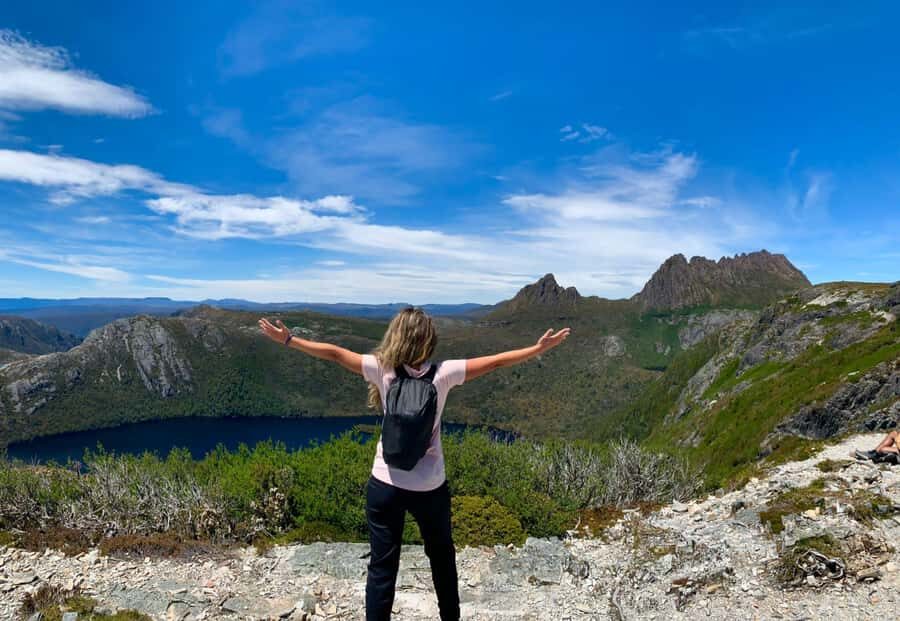
This tour is built around one simple idea: see the island’s big “wow” zones without backtracking. Starting in the south around Hobart and rolling west first helps you get the wild coastline energy early, then you gradually shift toward the east coast highlights.
You’re not just driving past places. You’re stopping for the moments that are hard to recreate on your own. Think short hikes that get you to waterfalls, lookouts, dunes, and bays, plus guided commentary that connects the dots between nature and Tasmania’s human story. For many people, that’s the sweet spot: enough structure to keep things efficient, enough flexibility that you can choose your own effort level.
And yes, the pace is a real pace. Most days include a walk, a number of scenic stops, and a later-night return to your accommodation. If you want a slow, days-on-end style trip with tons of free time, this probably won’t feel like it matches your travel rhythm.
You can also read our reviews of more tours and experiences in Hobart
Day 1: Hobart to Strahan via Mt Field, Lake St Clair, and Queenstown Mining History
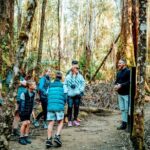
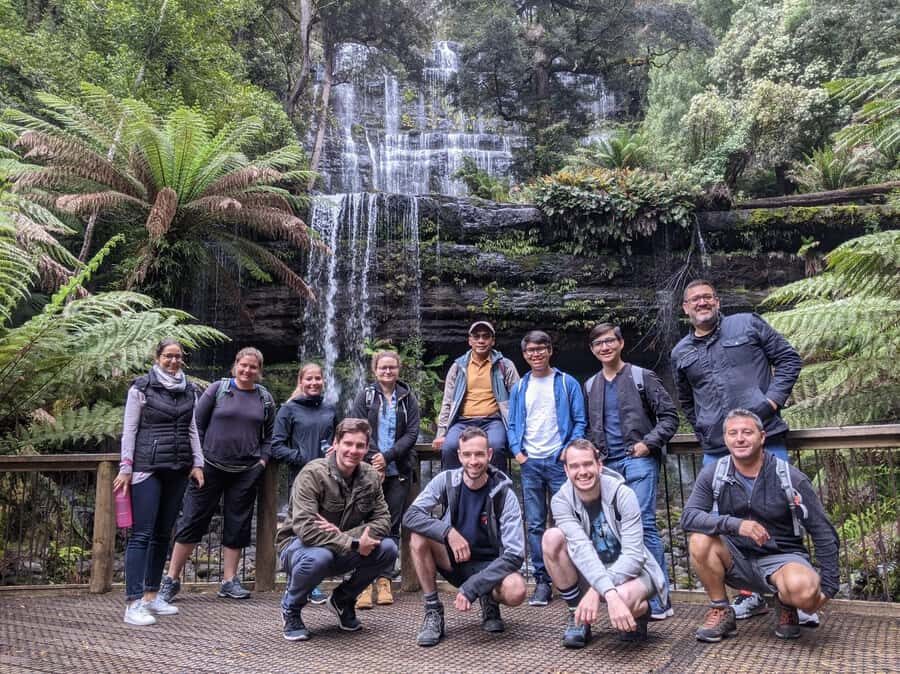
Your tour starts in Hobart and heads straight into Tasmania’s tall-trees country. Mt Field National Park is the opener for a reason: you walk among some of the world’s tallest eucalyptus trees, then you get to Russell Falls, one of Tasmania’s favorite cascades. Even if you pick the shorter walk style, you’ll still get the “how is this so tall?” effect within the first day.
After the trees, you move toward deeper water and broader wilderness. Lake St Clair is Australia’s deepest freshwater lake, and the drive through Franklin-Gordon Wild Rivers National Park gives you that wild-river sense of Tasmania—big, remote, and still very much outdoorsy.
Then comes Queenstown, which adds a different layer. You’ll learn about Tasmania’s mining history there before arriving in Strahan. This is a good day for context: you’re already seeing nature, then you’re reminded that people have shaped the island’s story here too.
Practical note: Day 1 is long in a “lots of scenery per hour” way. Bring warm layers even if the forecast looks mild, because Tasmania weather can change its mind quickly.
Day 2: The West Coast’s Rainforest Walks, Henty Sand Dunes, and Ocean Beach
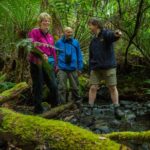
If Day 1 is about giant trees and lake country, Day 2 is about getting your feet dirty in the best way. The West Coast here feels rugged and damp, with rainforests that can make you forget you’re on an island that’s also famous for penguins and beaches.
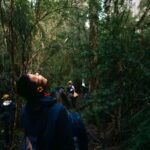
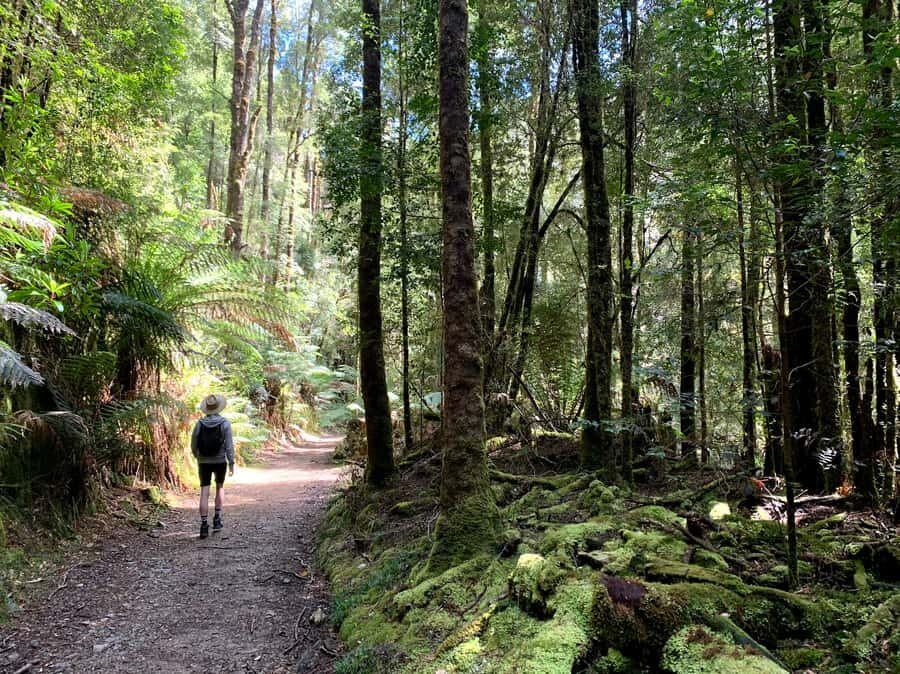
You’ll take a guided nature walk among ancient rainforests. That’s the kind of stop that’s hard to improvise without local guidance, because you’re learning what you’re looking at while you’re looking at it. After that, you head to the sand and scale the other side of Tasmania.
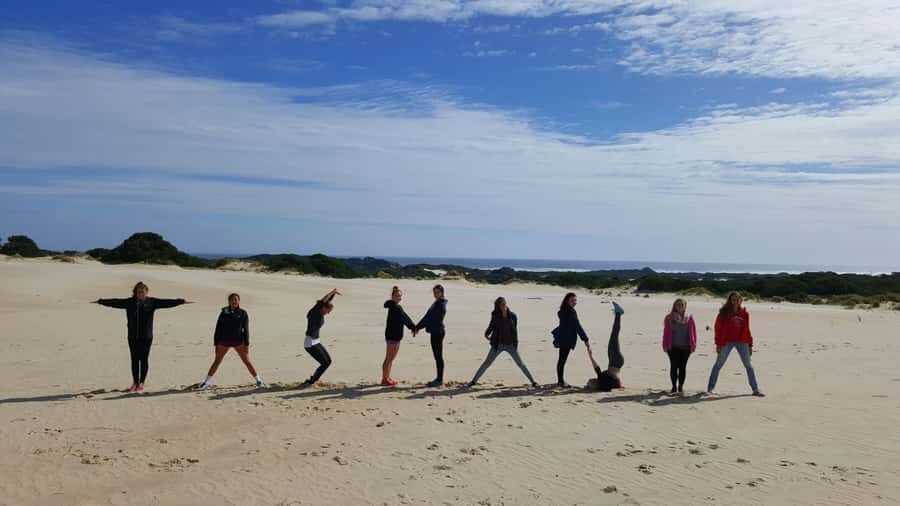
Henty Sand Dunes are the next hit: long stretches of sand where the scenery feels huge, open, and slightly unreal. Then you reach Ocean Beach, described as Tasmania’s longest stretch of sand. Even if you don’t walk far, standing there gives you that classic west-coast feeling—wind, space, and a shoreline that looks like it keeps going.
Optional add-on: you can choose an outstanding Gordon River nature cruise at your own expense. If you like rivers and wildlife zones, it’s a great way to swap more walking for a guided time on the water.
This is also a good day to be honest with yourself about energy. You’ll be outdoors and walking, and the reward is scenery that feels raw rather than staged.
Day 3: Cradle Mountain National Park Walks to Launceston via Sheffield Murals
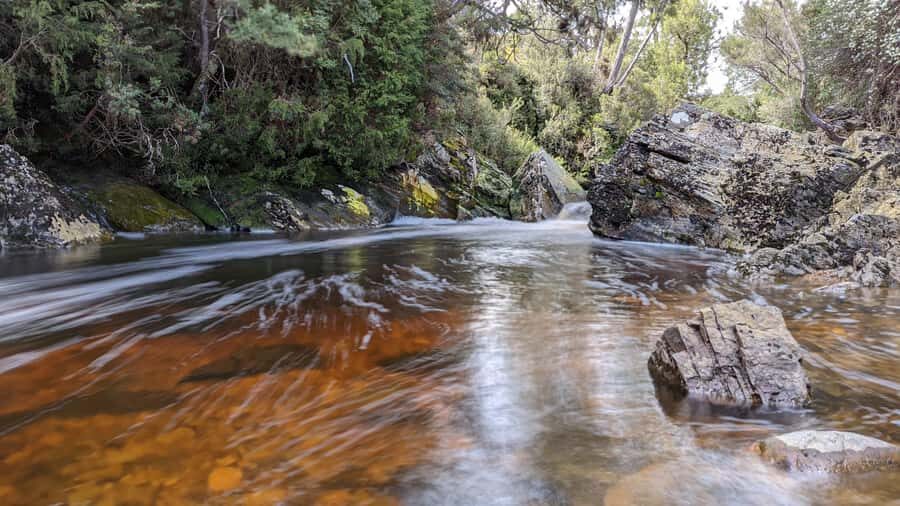
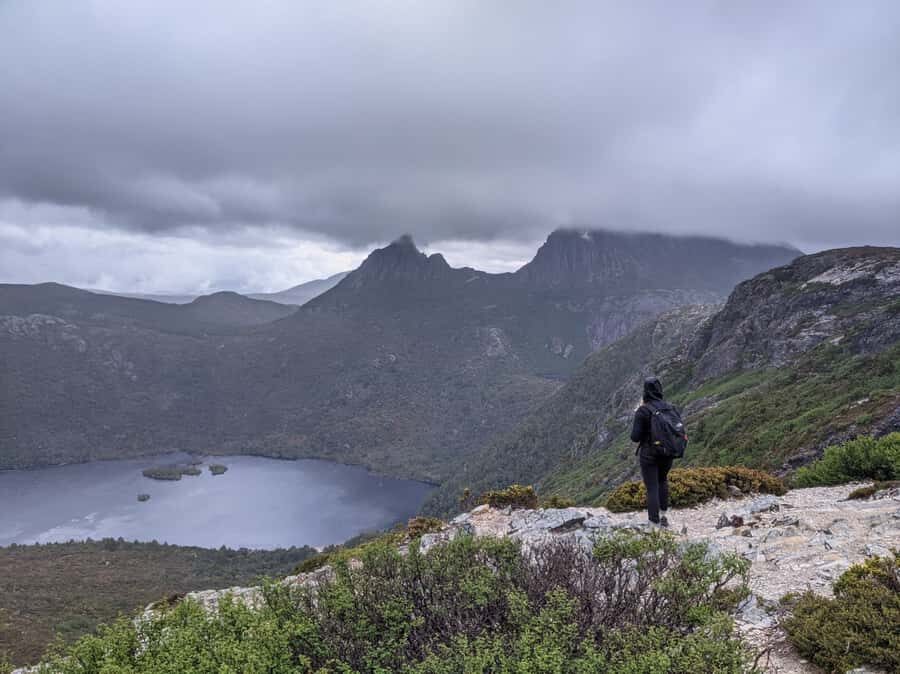
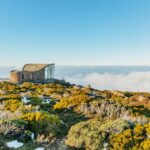
Cradle Mountain National Park is one of those Tasmania must-sees that earns its hype. This day is built around alpine and glacial-carved wilderness, and the tour’s structure helps you match your day to your fitness.
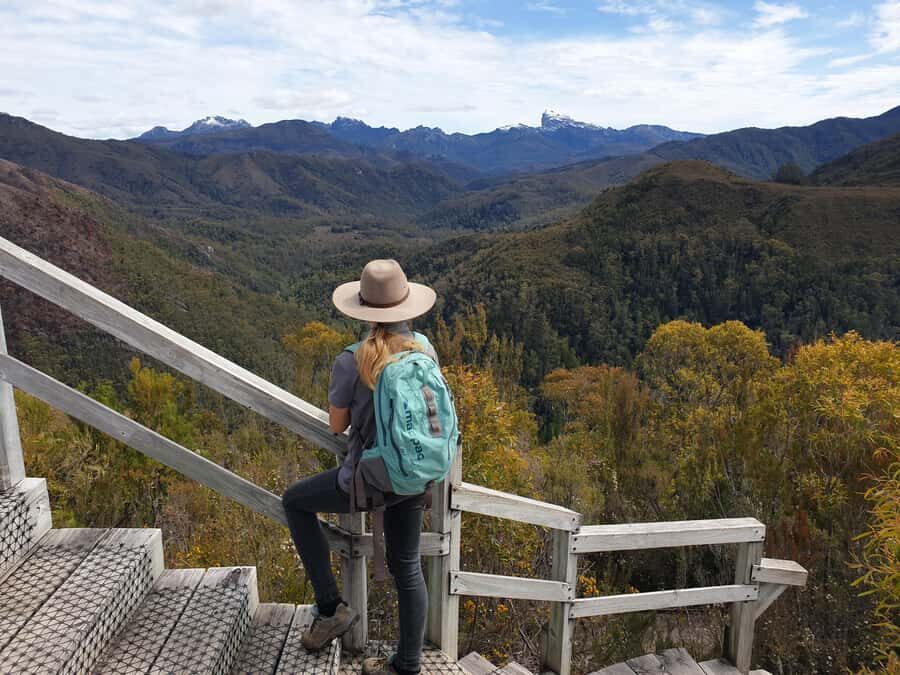
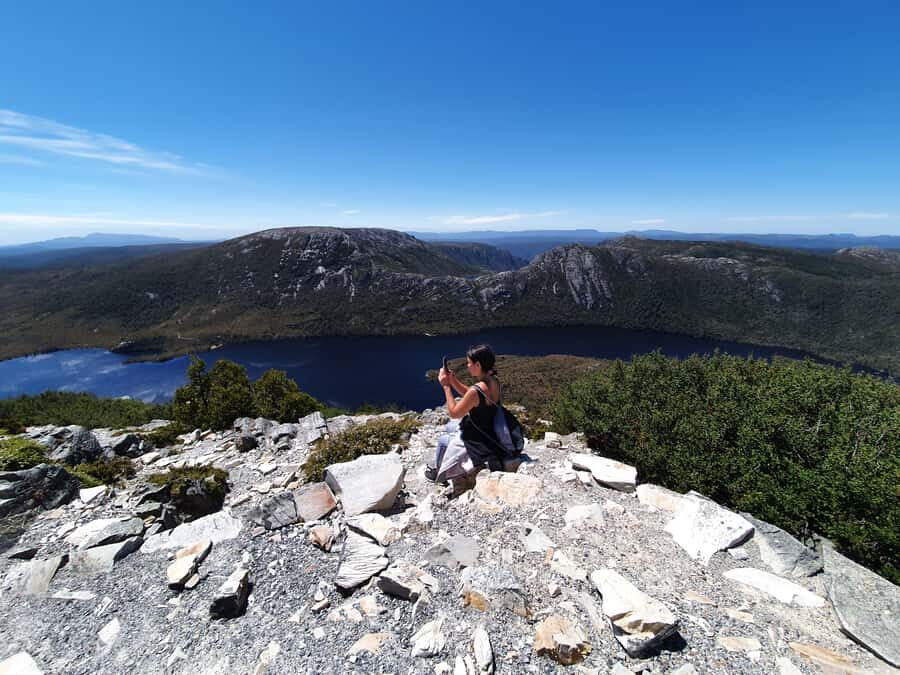
You’ll spend time looking for wildlife such as wombats and echidna. You can’t guarantee sightings, but the guide-led timing and the way you move through the area gives you a fair shot. The walks themselves come with choices. Some people go for the track toward Marion’s Lookout; others prefer something like the Dove Lake circuit, which is longer and more step-and-rough-surface friendly.
Then there’s the drive toward Launceston. Sheffield is included en route, and it’s known as the Town of Murals. It’s a nice palate cleanser after the mountain feel—more human scale, more color, and less “weather on your face” energy.
Late in the day you reach Launceston, where you’ll base yourself for the next stop. This is also a day where you’ll appreciate having a guided plan. Cradle Mountain doesn’t behave like a quick roadside stop. It’s better when someone helps you prioritize the time.
Day 4: Launceston Cataract Gorge, Bay of Fires White Sands, and Bicheno Little Penguins
Morning starts with Launceston’s Cataract Gorge, one of the best places around for spotting wallaby. It’s a great example of Tasmania being both accessible and wild-feeling. You don’t need a long drive just to get a nature moment that feels alive.
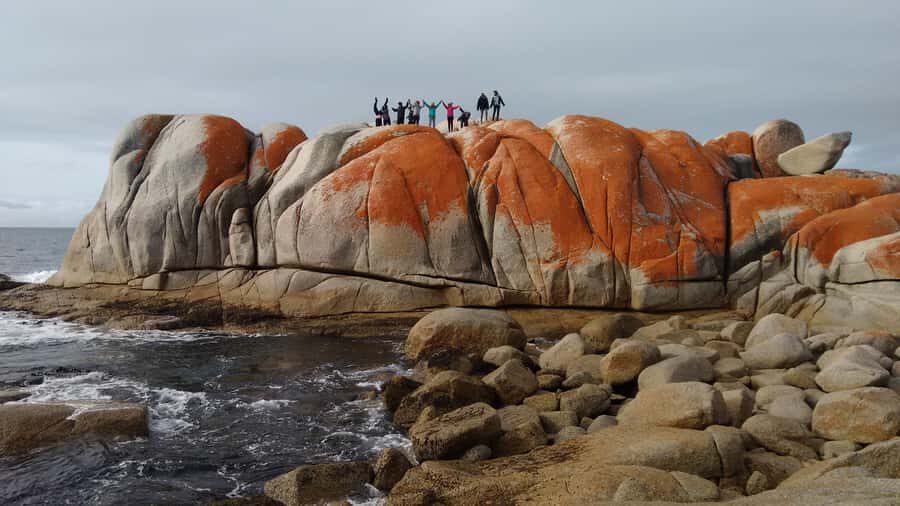
Then you head to the Bay of Fires area, including time that ties into the spiritual connection of the land to Tasmanian Aboriginal people/palawa. That matters because it gives the coast more meaning than postcard photography. You’re not only seeing orange rocks and turquoise water; you’re learning that the land is a story, not just scenery.
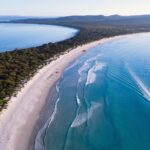
Once you arrive, you get the visual payoff. The walk time is centered on pristine white sands with striking orange boulders. This is a place where photos are easy, but the real value is getting to move along the shore at a human pace rather than just stopping for a five-minute snapshot.
Overnight is in Bicheno, known for little penguins. Even if penguins aren’t the only reason you book, it’s a solid place to sleep because it keeps you close to the next stretch of coastal atmosphere.
If you’re sensitive to weather changes, this is a day to bring a jacket you can actually wear in wind. Bay of Fires can feel bright and sunny, and then the breeze reminds you you’re still in the Southern Hemisphere.

Day 5: Freycinet National Park’s Wineglass Bay Walk or Mt Amos Summit Climb
Freycinet National Park is the “you understand why people come back to Tasmania” day. You get the iconic Wineglass Bay view, and you also have a second-choice option with the Mt Amos climb.
Wineglass Bay is the big one: a look that feels famous because it’s genuinely worth it. The walk time here is the kind where the payoff comes after you’ve put in the effort—steady views, changing angles, and a sense of scale as the bay opens up.
If you prefer a higher-effort option, Mt Amos is there for a summit-style climb. You’re still within the same national park day, but it changes the feel: more elevation, more breathing, more “look at how far this goes” energy.
You’ll also visit the Cape Tourville lighthouse. That stop is useful because it adds a coastal navigation history angle, plus it keeps the day varied so it doesn’t feel like only one long hike.
People underestimate how tiring “icon days” can be. This is still a walking tour with a real schedule, so bring water, take the breaks you’re offered, and save some energy for the bay.
Day 6: Bonorong Tasmanian Devils, Richmond Heritage Village, and kunanyi Views from Hobart
Day 6 mixes wildlife and history with a classic Hobart viewpoint. You start at Bonorong Wildlife Sanctuary, where you meet Tasmanian devils. This is often the emotional highlight for people because it’s a rare chance to see the animals up close in a dedicated setting.
Then it’s on to Richmond Village, focused on Tasmania’s heritage village feel. You get a more historical, town-centered Tasmania mood compared to the national park days. Richmond is a good change of pace: smaller scale, calmer street rhythm, and time to reset your brain after all that hiking.
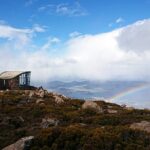
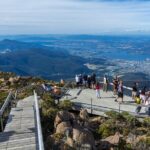
Back in Hobart, you’ll visit favorite spots on Mount Wellington/kunanyi. Even if you’ve just spent the last few days in wilderness terrain, this viewpoint adds a different kind of perspective—city and coast angles instead of mountain angles.
Tonight is your own time. One of the best parts of this tour is that the guide doesn’t just drop you off and vanish. You’ll typically get restaurant or grocery suggestions so you can eat in a way that fits your budget and energy level. For some people, that means keeping costs under control because food isn’t included.
Guide tip from recent departures: guides like Keygan (first five days), Brendon, Hayden, Phil, and Lynna are examples of the kind of personalities this tour runs with. The tone tends to be upbeat and organized, and the best guides do a good job explaining walk difficulty before you choose.
Day 7: Port Arthur Historic Site, Harbor Cruise, and Crescent Bay on the Tasman Peninsula
You finish with the Tasman Peninsula and Port Arthur, which is widely recognized for being one of Australia’s best-preserved convict settlement sites. It’s one of those places where history hits harder when the environment matches the story—coastal, rugged, and remote-feeling even with roads nearby.
Your day includes Port Arthur Historic Site entry plus a harbor cruise. That cruise matters because it helps you “see” the site in a coastal context instead of treating it like only a museum visit. The water routes show why this location mattered and how isolated it really could be.
After the history, you walk to Crescent Bay. This is your final outdoor payoff: stunning coastal scenery paired with a last stretch of time on the trail. It’s a smart wrap-up because it gives you a sensory memory, not only dates and details.
Then you return to Hobart to close the loop on this west-to-east arc.
Price and Value: What $973 Covers and How to Judge It Fairly
At $973 per person for seven days, this tour sits in the mid-range for a guided Tasmania experience. The big reason it can feel like good value is what’s included:
- transportation across multiple regions
- six nights in motel or hostel-style accommodation
- guided commentary plus guided walks
- national park entry fees
- Bonorong Wildlife Sanctuary entry
- Port Arthur Historic Site entry and harbor cruise
- pickup and drop-off from centrally located Hobart hotels/hostels
What’s not included is also important. Food and drinks are on you, and the Gordon River cruise is optional at your own expense. Travel insurance is not included, so you’ll want to plan for that if it’s part of your normal travel setup.
So how do you judge value? I think the answer is simple: if you want a full island highlights circuit without researching driving times, ticket lines, and route connections, a guided package like this saves time and mental effort. If you already know Tasmania well and you’re comfortable with self-driving and planning daily walk options, you might do it for less. But you’ll also give up the structure that keeps the hiking days from turning into chaos.
Walking Level, Group Pace, and Why Optional Trails Help
This is an active tour. You can expect short walks each day, with most options classified as easy to moderate. All walks are optional, and the tour is designed so people with moderate fitness can maximize the experience without being forced into the hardest option every time.
Example easy walk: Russell Falls at Mt Field is around 25 minutes return and about 1.4 km, with flat, even ground and no steps or steep sections. If you want a leg-stretcher walk that still feels like an achievement, this is the model.
Example moderate walk: the Dove Lake circuit at Cradle Mountain is about 2–3 hours and 6 km. Expect rougher surfaces, steps, and short hill sections. You should treat it like a real hike, not a stroll.
Day timing also helps the pace feel manageable. One set of departures notes days typically start around 7:30 am and end around 5 pm or earlier. That means you get usable evening time rather than arriving in town at 9 pm every night.
Small group is part of the comfort equation too. A smaller group tends to move faster through decisions and makes guide attention more practical. If you’re tall, one practical note from a recent experience: vehicle seating can feel tight for longer legs, though it’s fine for shorter travelers.
Where You Sleep: Motel Comfort Versus Hostel Real-Life
You’ll have six nights of accommodation that can be motel or hostel style. Motels offer private rooms with ensuite facilities, which is the easiest way to keep your trip comfortable—especially after long outdoor days.
Hostels are mostly dorm rooms (same-gender) or private options with shared same-gender bathrooms. The setup can vary based on how you book, and room type matters for comfort.
One useful reality check: a Hobart hostel night can be noisy. If you’re a light sleeper, it’s worth paying attention to room type when you choose your option.
Also, luggage storage is handled for you on travel days. You can bring up to 20 kg, and it’s stored in a trailer while you’re on the move. That’s a big help because it reduces the hassle of hauling heavy bags in and out of vehicles.
What to Bring So Tasmania Doesn’t Catch You Off Guard
Tasmania rewards people who pack for weather shifts. Bring warm clothing, a jacket, long pants, hiking shoes, and a daypack. Sunglasses and sunscreen matter too because the coastal light can be bright even when the air is cool.
Don’t forget swimwear and a towel. The tour’s structure includes coastal time where being able to swim or just enjoy water access can be part of the fun.
For hiking comfort, add a hat and consider a light layer that you can pull on quickly when it gets windy. If you’re doing the longer Cradle walk or the Mt Amos style option, comfortable footwear is non-negotiable.
Who This Tour Fits Best (and Who Should Skip It)
This tour is a good match if you:
- want a west-to-east Tasmania highlights route without planning every stop
- enjoy day hikes with optional difficulty choices
- like wildlife moments and guided history stops
- appreciate structure but still want some choice in what kind of walk you do
It’s not a great match if you:
- need a fully low-walking itinerary (most days include walking)
- have back problems or mobility impairments
- are traveling with children under 8 years
If you’re in your 60s or older, you can still enjoy it, as long as you choose the right walk options. One of the strengths is that the guide explains difficulty so you can decide safely.
Should You Book This Tasmania Highlights Tour?
If you want Tasmania highlights in seven days, this tour is a strong option. You get Mt Field’s towering trees, West Coast sand-and-rainforest energy, Cradle Mountain with real hiking choices, Bay of Fires coastal walking, and a high-impact finish at Port Arthur plus the Tasman Peninsula.
I’d book it if you value guided efficiency and want wildlife and history stitched into a sensible route. I’d think twice if you hate car time, need lots of free hours, or want an itinerary with minimal walking. If you can handle a day that starts early and includes short-to-moderate trails, you’ll likely feel like this was a smart use of time.
If you’re considering it, choose the accommodation type that fits your sleep style, pack for wind and rain, and plan your hike choices honestly. Tasmania rewards good decisions on the ground.