REVIEW · PORT ARTHUR
Port Arthur Historic Site [official]
Book on Viator →Operated by Port Arthur Historic Sites · Bookable on Viator
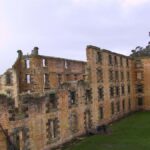
Port Arthur hits like real history. On Tasmania’s Tasman Peninsula, this 2-day pass ties together a self-guided audio tour plus a short harbor cruise, with access to 30-plus historic ruins across 100 acres. It’s a big site, though, so the only real drawback is you’ll want solid walking stamina and good footwear in all weather.
I also love how the day is structured for real learning: included site talks and expert staff help you connect the buildings you’re seeing to how prisoners and officers actually lived. One extra emotional layer is the carefully designed memorial grounds, which put the site’s modern tragedy alongside the deeper convict history.
In This Review
- Key things that make Port Arthur’s pass worth it
- What you actually get with a 2-day Port Arthur Historic Site pass
- Start with the self-guided audio tour, then pick your route
- The MV Marana harbor cruise: short ride, strong payoff
- Dockyards and the “other side” of the colony
- Convict Water Supply Trail: production, not just punishment
- Museum and Convict Study Centre: where history gets personal
- Isle of the Dead and the memorial: the modern layer you can’t skip
- How long to plan: 3 hours, a half day, or use the full 2-day pass
- Practical tips that make your day smoother
- Optional night tours or ghost tours: only if they’re running
- Should you book Port Arthur Historic Site?
- FAQ
- FAQ
- Is the Port Arthur Historic Site ticket valid for two consecutive days?
- What’s included with this 2-day pass?
- What sites are included on the harbor cruise?
- How long does the experience take?
- Where does this tour start and end?
- Does it run in all weather?
- Are children allowed, and do they need an adult?
- Is the site physically demanding?
- How many people can be on this experience?
- Is there free cancellation?
Key things that make Port Arthur’s pass worth it
![Port Arthur Historic Site [official] - Key things that make Port Arthur’s pass worth it](https://m.hobartdaily.com/wp-content/uploads/port-arthur-historic-site-official-1.jpg)
- UNESCO convict site on the Tasman Peninsula: 100 acres with 30-plus buildings and ruins to explore at your pace
- Self-guided audio that sets the scene: you can start with orientation and then choose your next stops
- MV Marana harbor cruise: Dockyards, Point Puer Boys Prison, and Isle of the Dead viewed from the water
- Dockyards soundscape + shipbuilding history: a hands-on way to picture the 1830s yard work
- Convict Water Supply Trail: learn how the colony produced flour and supported daily life
- Museum + Convict Study Centre: see exhibits and check the prisoner database for possible connections
What you actually get with a 2-day Port Arthur Historic Site pass
![Port Arthur Historic Site [official] - What you actually get with a 2-day Port Arthur Historic Site pass](https://m.hobartdaily.com/wp-content/uploads/port-arthur-historic-site-official-2.jpg)
Port Arthur Historic Site is a UNESCO World Heritage–listed convict colony spread over about 100 acres on the Tasman Peninsula. With this pass, you’re not locked into one set schedule. Your entry is valid for two consecutive days, so you can slow down, repeat a trail, or return for the parts you rushed the first time.
The package is also designed to reduce friction. You get a visitor guide with a map, included site talks, and a self-guided audio experience. On top of that, you get access to the museum and convict study center, plus the dockyards and harbor areas. The price feels fair for what’s bundled because you’re effectively buying a full day of site access plus the added structure of audio, talks, and the harbor cruise rather than paying for each piece separately.
Logistics are pretty straightforward. The meeting point is the Port Arthur Historic Site Visitor Centre (Historic Site, Port Arthur TAS 7182). The experience runs in all weather, and you should plan clothing for wind and sun—there’s limited cover in some areas.
You can also read our reviews of more historical tours in Port Arthur

Start with the self-guided audio tour, then pick your route
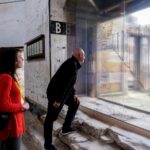
If you do just one smart thing, start with the included self-guided audio when you arrive. The site is spread out, and the audio helps you get your bearings fast—what you’re looking at, why it matters, and how the convict system worked on this particular peninsula.
What I like is that it keeps you moving without forcing a rigid pace. You can walk a path, stop for photos, and come back to the next audio segment when you’re ready. The audio also helps make sense of the eerie feeling people report here: the buildings and ruins are preserved enough that the place doesn’t feel like a generic museum lot. It feels specific—places where routines happened, where punishment happened, and where decisions were made.
Tip: use the map in the visitor guide to plan a loop. Port Arthur rewards getting into a rhythm: audio for context, then walking to the next cluster of ruins. It also helps you avoid backtracking if you’re short on time on day one.
The MV Marana harbor cruise: short ride, strong payoff
![Port Arthur Historic Site [official] - The MV Marana harbor cruise: short ride, strong payoff](https://m.hobartdaily.com/wp-content/uploads/port-arthur-historic-site-official.jpg)
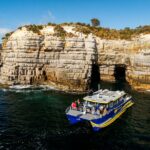
The included harbor cruise runs for about 20 minutes on the MV Marana. Even though it’s brief, it adds a completely different viewpoint on Port Arthur’s history. From the water, you see parts of the convict-era story that don’t read as clearly from land.
On the cruise, you’ll get narrated views of:
- Dockyards
- Point Puer Boys Prison
- Isle of the Dead Cemetery
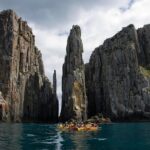
- Tasman National Park from the water
The narration matters because it connects geography to history. You’re watching the harbor that helped move supplies, skills, and people in and out—so the convict story feels less like isolated buildings and more like an operating system.
At the Dockyards specifically, you can also step back on land for more. The dockyard experience includes a soundscape meant to help you imagine the active yard in the 19th century. One of the easiest ways to picture what ship work sounded like is right here: you don’t need to be a history major to follow along.
Dockyards and the “other side” of the colony
![Port Arthur Historic Site [official] - Dockyards and the “other side” of the colony](https://m.hobartdaily.com/wp-content/uploads/port-arthur-historic-site-official-4.jpg)
Port Arthur wasn’t only punishment. It was a functioning settlement, with specialized labor and organized spaces. The Dockyards are the proof. Prisoners built high-quality ships in the 1830s, and being in those areas makes that idea feel real rather than abstract.
This is also where you start seeing the colony’s layers. The physical layout helps you understand that the convict experience and the officers’ experience were not the same, even when the buildings were close. After the dockyard portion, you can move into buildings tied to daily control and administration.
When I plan my day, I treat this as the point where the visit stops being mainly about ruins and starts being about systems:
- labor and production in the yard
- security and confinement around prisoner spaces
- authority spaces where officers lived and worked
If you catch a guided talk, you often get the best “why this building looks like it does” explanations. Some visitors specifically highlight staff members like Carl, praised for giving real insight into daily life and hardships.
Convict Water Supply Trail: production, not just punishment
![Port Arthur Historic Site [official] - Convict Water Supply Trail: production, not just punishment](https://m.hobartdaily.com/wp-content/uploads/port-arthur-historic-site-official-5.jpg)
One of Port Arthur’s most useful included walks is the Convict Water Supply Trail. It’s not only a scenic stroll. It explains how the colony supported itself—particularly through flour-production operations.
This is an important shift in perspective. You’re still in a convict site, but you’re learning what kept the settlement running: water systems, production, and the practical logistics behind the daily grind. That context helps you interpret the buildings you’ve already seen. Suddenly the convict colony feels like a place that had to function every day, not just a place where people were punished.
If you’re short on time, I still think the trail is worth prioritizing because it answers a question that many ruins-only visits don’t: how did they survive, feed themselves, and keep work going?




Museum and Convict Study Centre: where history gets personal
![Port Arthur Historic Site [official] - Museum and Convict Study Centre: where history gets personal](https://m.hobartdaily.com/wp-content/uploads/port-arthur-historic-site-official-6.jpg)
The Museum and Convict Study Centre help you turn what you’ve seen into something concrete. The museum gives you context, while the convict study center includes access to information that can help you look for possible prisoner records.
The big practical reason to visit: it’s the spot where you can find out if any ancestors might appear in the prisoner database. Even if you don’t research your family tree, it’s still the best place to understand the structure of the system and how records shaped who became part of the convict story.
From there, you can look at buildings tied to confinement and institutional life. One standout area is the old Asylum building, where you learn more about what life as a convict could involve. Then you can compare with Commandants House and Junior Medical Officers House to see how the other side lived.
This “compare and contrast” approach is one reason Port Arthur feels more educational than just atmospheric. You’re not only reading about suffering. You’re learning how the settlement was organized and controlled.
Isle of the Dead and the memorial: the modern layer you can’t skip
![Port Arthur Historic Site [official] - Isle of the Dead and the memorial: the modern layer you can’t skip](https://m.hobartdaily.com/wp-content/uploads/port-arthur-historic-site-official-7.jpg)
Port Arthur includes a haunting element that goes beyond convict history. The cruise itinerary specifically includes views of Isle of the Dead Cemetery, and on land you’ll also encounter memorial grounds that many visitors describe as beautifully done.
The memorial is designed to be quiet and reflective. It doesn’t feel like a side attraction. It’s part of how the site communicates tragedy and remembrance. If you’re sensitive to heavy topics, give yourself time here. Don’t rush it just to keep up with a clock.
Also, plan for the physical details. Some steps can be slippery, and the site is big with limited cover for bad weather. I’d treat footwear as non-negotiable.
How long to plan: 3 hours, a half day, or use the full 2-day pass
![Port Arthur Historic Site [official] - How long to plan: 3 hours, a half day, or use the full 2-day pass](https://m.hobartdaily.com/wp-content/uploads/port-arthur-historic-site-official-8.jpg)
The activity duration is listed as about 3 to 8 hours, but the better way to think about it is effort and repetition. Port Arthur rewards patience. If you’re the type who reads signs and stops for photos, you’ll likely land closer to the longer end.
Here’s a practical way to plan your time:
- Short visit (3-ish hours): Do the essentials loop, hit the museum, and take the harbor cruise. Prioritize orientation audio so you don’t feel lost.
- Half to 3/4 day: Add the dockyards, a major trail, and a couple of buildings tied to daily life. This is often the sweet spot for first-timers.
- Two days: This is where you stop feeling rushed. You can spread out the walkways, return to the spots that moved you, and take talks at a more relaxed pace.
If you can swing 2 days, you’ll enjoy Port Arthur more. The site is large enough that one day can feel like sprinting, even if you’re doing your best.
Practical tips that make your day smoother
These are the small things that help you have a better time at Port Arthur:
- Wear good walking shoes. Some steps can be slippery, and you’ll be on uneven ground.
- Dress for wind and sun. The site operates in all weather, but some areas have little shade.
- Use the map in the visitor guide. It helps you build a loop so you aren’t zigzagging across the site.
- Plan where you’ll eat. There’s a café on site, and it’s smart to time breaks so you’re not walking far when you’re hungry.
- Cash may not be your friend. One visitor noted no cash possible, so I’d plan on card payment rather than relying on cash.
If you’re traveling with kids, make sure an adult stays with them at all times. The site involves walking and steps, and the tour info is clear that children must be accompanied by an adult.
Optional night tours or ghost tours: only if they’re running
Some people mention night tours and ghost tours connected to Port Arthur. The catch is simple: availability can vary by day. If you’re interested, check what’s actually operating during your visit so you don’t lose time chasing something that isn’t scheduled.
Quality can also vary. If you want more history and less theatrical atmosphere, keep your main plan centered on the museum, the study centre, the dockyards, and the convict trails.
Should you book Port Arthur Historic Site?
Yes, I’d book this pass if you want one of Australia’s best-preserved convict sites with built-in ways to learn. The value comes from bundling two-day entry with a self-guided audio tour, site talks, and the added harbor cruise on MV Marana.
This is especially worth it if you:
- like history you can see and walk through
- enjoy audio-guided exploration at your own pace
- want the extra viewpoint the harbor cruise provides
- want the option to spend a second day on the parts that hit hardest
I’d adjust expectations if you dislike heavy subject matter or long walks. Port Arthur is preserved for a reason, and the site can feel sober. Also, a single day can feel tight if you’re the type who reads everything and stops often.
FAQ
FAQ
Is the Port Arthur Historic Site ticket valid for two consecutive days?
Yes. The pass is valid for two consecutive days, so you can spread your visit across day one and day two.
What’s included with this 2-day pass?
You get a self-guided audio experience, access to more than 30 historic buildings and ruins, complimentary site talks, a harbor cruise on the MV Marana, and a visitor guide with a map. It also includes visiting areas such as the Museum and Convict Study Centre and the Dockyards.
What sites are included on the harbor cruise?
The cruise narration includes views of the Dockyards, Point Puer Boys Prison, and the Isle of the Dead Cemetery, plus Tasman National Park from the water.
How long does the experience take?
The experience is listed as approximately 3 to 8 hours, depending on how much you choose to do and how long you stay on each part of the site.
Where does this tour start and end?
It starts at the Port Arthur Historic Site Visitor Centre at Historic Site, Port Arthur TAS 7182, Australia. It ends back at the same meeting point.
Does it run in all weather?
Yes. It operates in all weather conditions, so dress appropriately.
Are children allowed, and do they need an adult?
Children must be accompanied by an adult.
Is the site physically demanding?
You should have a moderate physical fitness level. It’s a large site with walking, steps, and uneven ground.
How many people can be on this experience?
The tour/activity has a maximum of 500 travelers.
Is there free cancellation?
Yes. You can cancel for a full refund up to 24 hours in advance. If you cancel less than 24 hours before the start time, the amount you paid will not be refunded.


![Cascades Female Factory Historic Site [official] - The tour format: what happens during the 2 to 3 hours](https://m.hobartdaily.com/wp-content/uploads/cascades-female-factory-historic-site-official-300x200.jpg)