REVIEW · HOBART
6-Days Discovery Tour of Tasmania – Comfort Style
Book on Viator →Operated by Under Down Under Tours · Bookable on Viator
Tasmania can feel like a whole other planet. This 6-day comfort-style loop starts with Salamanca Markets in Hobart, then strings together world-class wilderness, iconic beaches, and major history stops without forcing you into marathon hiking. I especially like the day-to-day mix of short walks and big scenery, plus the small group size capped at 20. The one thing to weigh is that you will spend a lot of time traveling by coach—this is a see-a-lot itinerary, not a slow wander.
Two more reasons I think this works well for most people: you get motel-style comfort (plus a couple of different lodging styles along the way), and you’re not left to guess what to do at each stop because the guides have real local context. In the reviews I saw, guides such as Hadyn (Haydon), Gareth aka Mr Wombat, Cam, and Campbell were praised for their warmth, driving, and island knowledge—one even shared music at the end of the trip. Just note: it’s still outdoors a lot, so bring layers and a rain layer, especially once you’re moving into the wild areas.
This tour is also eco-certified through Ecotourism Australia, and it’s run by a local Tasmanian operator with nearly 30 years of experience. That combination matters: it usually means fewer gimmicks and more “here’s what you’re looking at and why it’s special” guiding—plus thoughtful pacing for a group this size.
In This Review
- Quick highlights before you lock it in
- From Salamanca to the first rainforest stops: the Hobart start that sets the tone
- Practical tip
- Russell Falls to Lake St Clair and the Franklin-Gordon Wild Rivers: where comfort meets scale
- What to watch for
- Queenstown to Strahan: Gordon River Cruise day and the rainforest walk you’ll remember
- Small-group comfort note
- Cradle Mountain and Sheffield murals: alpine views with built-in breaks
- If you want a smoother Cradle Mountain experience
- Cataract Gorge to the Bay of Fires: wallabies, coastal calm, and orange boulders
- The value of not rushing the coast
- Freycinet National Park: Wineglass Bay Lookout and the “pink granite” effect
- Comfort reality check
- Tasman Peninsula power: Port Arthur ruins plus Devil’s Kitchen and Remarkable Cave
- If you love photos
- Price and value: what you really get for $1,581.70
- Who this tour fits best (and who should pick something else)
- Book it or skip it: my straight take
- FAQ
- What time does the tour start and where do I meet?
- How long is the tour?
- How big is the group?
- What kind of accommodation is included?
- Are meals included?
- What are some of the included highlights?
- Is there walking involved?
- Is mobile ticketing used?
- Can I get a refund if I cancel?
Quick highlights before you lock it in
- Small-group pace (max 20): easier to hear your guide and keep the vibe relaxed.
- Comfort accommodation style: motel stays designed for a lower-stress trip.
- Big-name Tasmania in one circuit: Gordon River Cruise, Cradle Mountain, Bay of Fires, Freycinet, Tasman Peninsula, Port Arthur.
- Short walks, not all-day treks: options like Wineglass Bay Lookout and walks around Port Arthur.
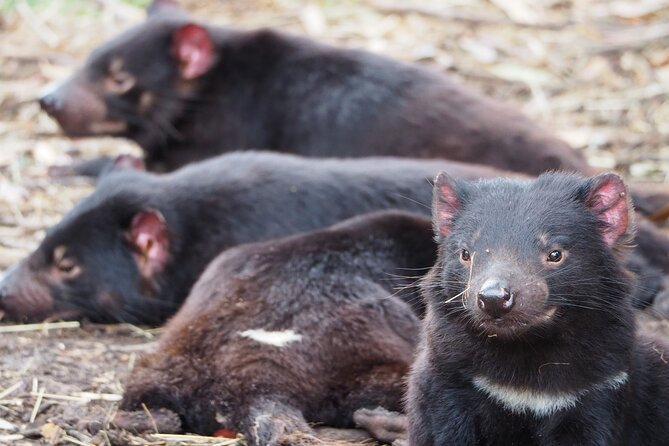
- Wildlife moments included: Tasmanian devils at a wildlife sanctuary, plus plenty of opportunities to spot nature up close.
- Local guiding with real personality: several guides were specifically called out for care and knowledge.
From Salamanca to the first rainforest stops: the Hobart start that sets the tone
You meet in the morning at the Vibe Hotel Hobart on Argyle Street, with a 7:00 am start. That early push is a good thing here. It gives you time for a proper first look at Hobart culture before the long day on the road.
The first true culture hit is Salamanca Markets. Even if you only have an hour, it’s enough to grab something quick, browse local handicrafts and produce, and get your bearings for the rest of the trip. It also helps that this part is free and simple—no tickets, no major hike, just a fun way to start your Tasmania loop.
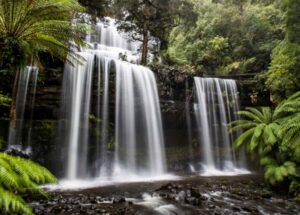
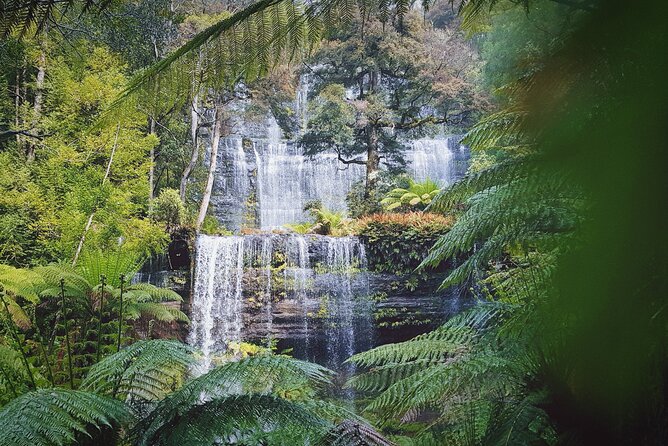
Then the tour turns west into the Tasmanian Wilderness World Heritage Area. Your first stop is Russell Falls in the rainforest, where you get about an hour and fifteen minutes. This is one of those places where the trail is the reward: you don’t need to be a strong hiker to see the payoff, and the rainforest feel can cool you down fast on a warmer day.
You can also read our reviews of more tours and experiences in Hobart.

Practical tip
Bring a packable rain jacket and shoes that handle wet ground. Russell Falls is in rainforest country, and damp paths are common.
Russell Falls to Lake St Clair and the Franklin-Gordon Wild Rivers: where comfort meets scale
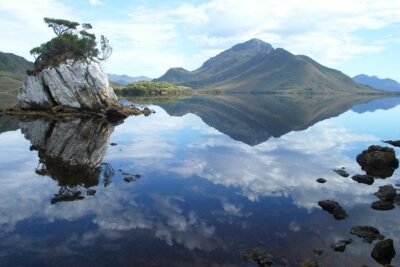
After Russell Falls, the route climbs toward alpine Tasmania. Lake St Clair is the next big contrast stop. You’ll get about an hour here at Australia’s deepest freshwater lake. This isn’t just a photo moment either. The value is in breaking up the drive with a place that feels still and quiet, the kind of stop where your brain finally catches up with the scenery.
From there you head into Franklin-Gordon Wild Rivers National Park. The big draw is the tannin-coloured Franklin River, plus a short walk to stretch your legs. Your time here is around two and a half hours including entry. If you like “see it with your own eyes” experiences, this is the sort of stop that makes the rest of the itinerary feel earned. It also sets up the West Coast theme: rugged terrain, strong water features, and that distinct Tasmanian wilderness character.
By the time you reach Queenstown, you’re into mining-town history and dramatic viewpoints. The schedule gives you a full evening window for a group dinner and overnight. Even if you just take in the views, Queenstown is a reminder that Tasmania isn’t only about nature—it’s also about human stories carved into the land.
What to watch for
This section is where your day can feel long. It’s not hard trekking; it’s more about moving through multiple environments. If you’re the type who snacks often and keeps momentum, you’ll do well.
Queenstown to Strahan: Gordon River Cruise day and the rainforest walk you’ll remember
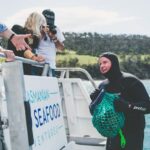
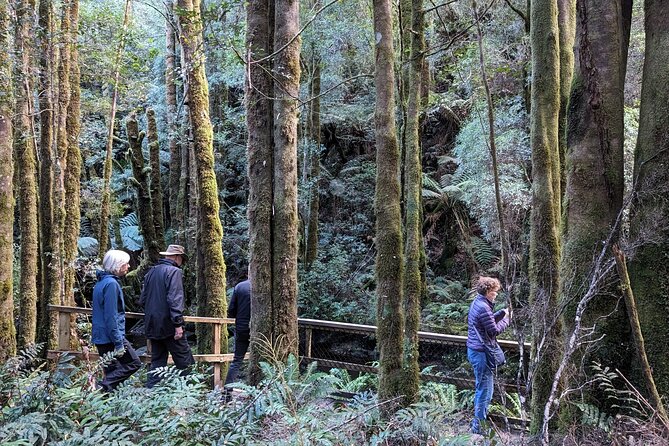
Day two is anchored by the Gordon River Cruise. You depart from Strahan, a harbourside gateway into the Wilderness World Heritage Area. The cruise itself is included and runs about six hours, with guided components you can feel good about: a guided boardwalk through UNESCO World Heritage rainforest and guided time on the river.
This is one of the tour’s biggest value plays. Many Tasmania trips either focus on driving viewpoints or on one or two major experiences. Here, you get a full guided river day that adds variety without needing you to hike for hours. It’s also a great “reset day” physically, since you’re not doing steep climbs.
Strahan works as a warm-up too. It’s a place where you can sense the coastal edge of Tasmania while still being in the wilderness orbit.
Then the itinerary moves inland to Tullah. You get an overnight around Lake Rosebery in a lakeside chalet. That’s where the comfort style shows up: after long scenic drives, you’re not just dropping into a generic bed-and-breakfast setup. You have a real evening stop that feels like you’ve left the road behind for a moment.

Small-group comfort note
With a max group size of 20, you’re more likely to get smoother transitions between coach, stops, and meals. It tends to matter a lot on itineraries like this.
Cradle Mountain and Sheffield murals: alpine views with built-in breaks
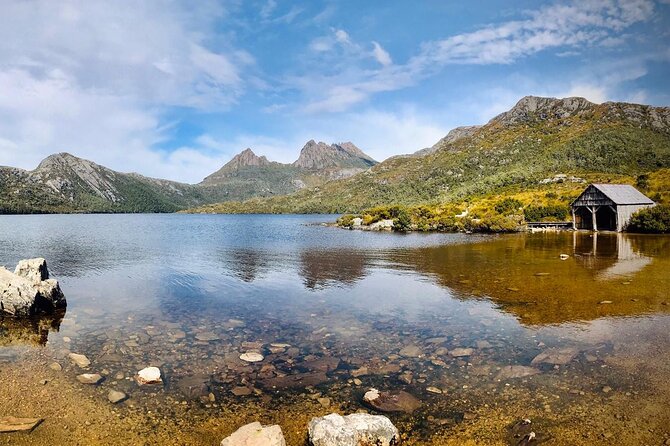
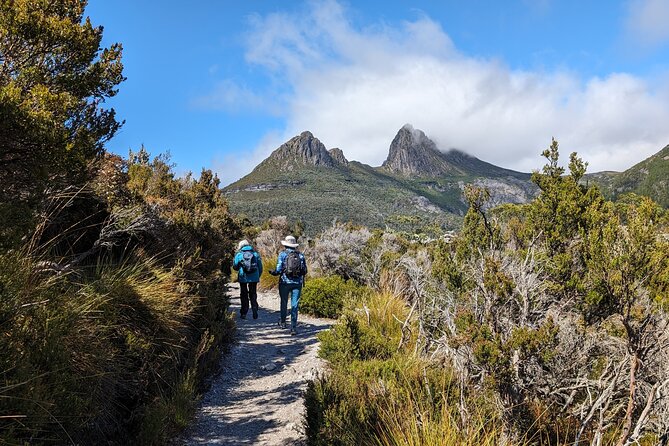
Day three begins with Cradle Mountain National Park. You’re given about five hours here, and the emphasis is on glacial and alpine landscapes. Cradle Mountain is one of those names that can sound like hype—until you’re standing near the edges of those ridgelines and realizing why it’s famous. Your time includes guided experience, with the practical benefit that you don’t have to plan every step yourself.
Then you stop in Sheffield, known for murals and the backdrop of Mount Roland rising behind town. The visit is short (about thirty minutes), but it’s a nice tonal switch from the big wilderness. It’s also an easy win for photos without being a time sink.
In the evening, you head to Launceston and explore at your leisure. The tour keeps this flexible: about twelve hours at your own pace. That matters if you like wandering, grabbing dinner, or simply resting your feet after consecutive outdoor days.
If you want a smoother Cradle Mountain experience
Wear layers. Even in “normal” weather, mountain conditions can shift. The walk portions are short, but it still helps to be ready for cool air and quick changes.
Cataract Gorge to the Bay of Fires: wallabies, coastal calm, and orange boulders
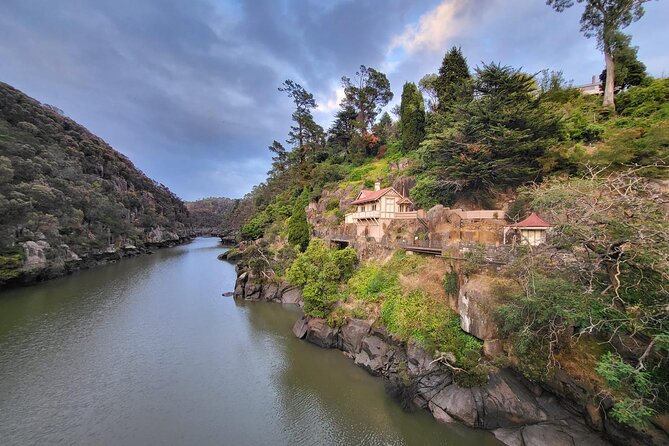
Day four shifts from alpine to coastal. First stop is Cataract Gorge Nature Reserve with a one-hour walk. This is a good match for the comfort style because it’s active but not punishing. The schedule also flags wallabies as residents to watch for, which is exactly the kind of simple “look around” wildlife moment many people enjoy most.
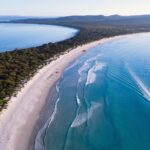
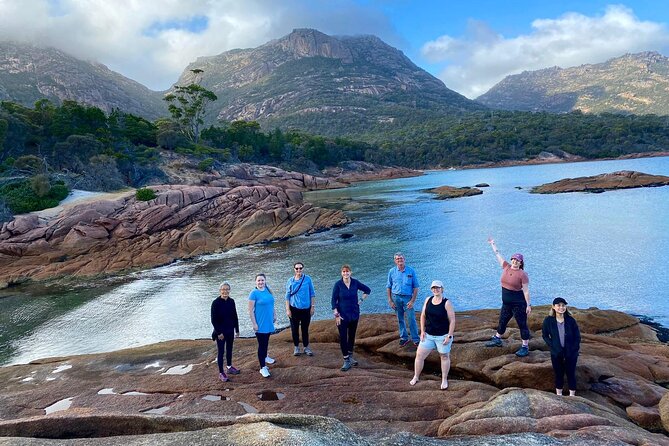
Next is St Helens, where you stop for lunch and then continue to the Bay of Fires area. You get time for the Bay of Fires/larapuna beaches (about two hours). The big visual signature here is clear water, white sands, and orange boulders. You don’t need to be a geology nerd to love it. You just need time to walk and look.
After the beach time, the tour overnight is in St Helens, which is a smart base for this stretch of Tasmania. You get to slow down a bit and sleep close to the next day’s route.
The value of not rushing the coast
Two hours on the Bay of Fires sounds short until you’re there. This is the kind of place where it’s easy to feel “done” if you only stop for ten minutes. Your time allocation makes it feel like an actual visit.
Freycinet National Park: Wineglass Bay Lookout and the “pink granite” effect
Day five is all about the East Coast’s star locations, starting with Freycinet National Park (about five hours). This is where the itinerary really earns its reputation. You’re given multiple stops that each bring something different: viewpoints, a walk toward Wineglass Bay, and another lighthouse panorama.
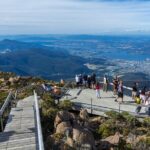
Honeymoon Bay is included as a short stop (thirty minutes), mostly a chance to take in the Hazards from that coast-facing angle. Then comes Wineglass Bay Lookout. You’ll walk to the lookout for views of Tasmania’s most famous beach—curved white shores and turquoise water. The schedule gives you around two hours here, which is enough time to pace yourself and enjoy the view without feeling like you’re speed-running a must-see list.
After that, Cape Tourville Lighthouse (about forty-five minutes) delivers broader panoramic views across the Tasman Sea. If Wineglass Bay is your signature beach, this adds the “bigger picture” feeling—another angle on the same coastline drama.
The tour then pushes toward Eaglehawk Neck. You stop at Pirates Bay Lookout on the way, and then overnight near Eaglehawk Neck. That sets you up for day six’s Tasman Peninsula sites.
On the way to Freycinet-related coastal stops, there’s also time in Bicheno (about one hour) where you cruise by the Gulch and see the blowhole. It’s one of those quick-payoff moments: small, local, and fun without requiring major effort.
Comfort reality check
This is the most “packed stop-to-stop” day. You still get short windows, but it’s best if you pack for a full day and keep your expectations flexible. You’ll enjoy it more if you don’t try to treat every viewpoint as a long hike.
Tasman Peninsula power: Port Arthur ruins plus Devil’s Kitchen and Remarkable Cave
Day six is a two-part finale: convict history first, then the Tasman Peninsula viewpoints.
Port Arthur Historic Site gets about four hours, with admission included. This is Australia’s best preserved convict settlement. You’ll wander the preserved ruins and colonial gardens and also take a short harbour walk. Even if history isn’t your main interest, Port Arthur hits hard because it’s intact enough to feel real, and guided time helps you connect the dots.
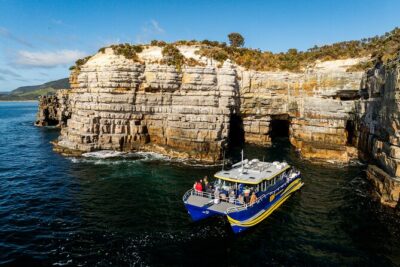
Then you move to Tasman National Park for about three hours of peninsula highlights. You’ll visit and view spots such as Tessellated Pavement, Waterfall Bay, Tasman Arch, Devil’s Kitchen, Remarkable Cave, and more viewpoint stops like Pirates Bay Lookout (captured earlier in the route) and Tasman Peninsula viewpoints overall.
This is the rugged-coast payoff. It’s not one single “wow” moment; it’s a series of them. You can see why Tasmania keeps earning these reputation lists. The comfort style matters here too: short walks and viewpoints let you enjoy the coastline without needing a hardcore itinerary to access it.
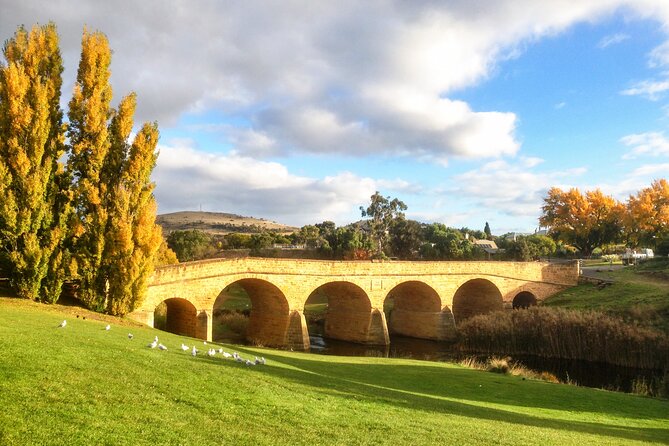
Finally, you return to Hobart via Richmond. Richmond is a colonial village stop with a convict-built bridge and heritage listed buildings, plus a short drive through the wineries region of Coal River area (time is limited here, about thirty minutes). Then you roll back to your meeting point.
If you love photos
Start early energy matters. Peninsula locations are often best in natural light, and your schedule tries to avoid too much midday crowding.
Price and value: what you really get for $1,581.70
At $1,581.70 per person for roughly six days, this isn’t a budget trip. But it does have real value baked in because you’re buying structure, guided experiences, and comfort across the entire island loop.
Here’s how the pricing tends to make sense for this exact itinerary:
- You cover major regions in one go: West Coast wilds, Cradle Mountain, Bay of Fires, Freycinet, Tasman Peninsula, Port Arthur. Doing this solo usually means more driving stress plus more planning time.
- Comfort lodging with small group size: motel accommodation for up to 20 guests keeps the experience more relaxed than giant-vehicle touring.
- Multiple guided inclusions: the Gordon River Cruise is a full-day guided experience with additional guided rainforest boardwalk time.
- Short walks that match the comfort style: you get activity daily, but not constant all-day hiking.
The possible drawback for some budgets is simple: you’re paying for convenience and guided access. If you want total freedom and you enjoy self-planning road trips, you may find other options cheaper. If you want to see Tasmania’s greatest hits with a calmer pace and good guidance, this price sits in the category of “worth it if you want the work removed.”
Also, check your personal flexibility. This experience is listed as non-refundable and cannot be changed for any reason, so it’s a good fit when your dates are locked.
Who this tour fits best (and who should pick something else)
This comfort-style loop is best for you if:
- You want a lot of Tasmania in one trip, without “thrash your knees” hiking.
- You like guided wildlife and nature stops, plus major historic sites that don’t require heavy planning.
- You appreciate small group dynamics (max 20) and a guide who can explain what you’re seeing.
It may be less ideal if:
- You hate long driving days and prefer to stay put in one region.
- You’re the kind of traveler who wants total independence to chase side roads and long trails on your own schedule.
Book it or skip it: my straight take
I’d book this tour if you want a guided, comfortable circuit that hits Tasmania’s headline locations while still leaving space for short walks and genuine breaks. The combination of small-group size, motel-style comfort, and guided highlights like the Gordon River Cruise and Port Arthur makes it a strong “value for effort” choice.
I’d pause if you’re sensitive to time on the road or if your travel dates are uncertain. Once you’re in, the trip is well-built for a first Tasmania visit—especially if you want it to feel special without needing athletic training.
If you can handle a packed, scenic schedule with short hikes and lots of viewpoints, you’ll likely find it satisfying from Salamanca Markets all the way to Devil’s Kitchen and Remarkable Cave.
FAQ
What time does the tour start and where do I meet?
You start at 7:00 am at the Vibe Hotel Hobart, 36 Argyle St, Hobart TAS 7000. The tour ends back at the meeting point.
How long is the tour?
It’s a 6-day discovery tour (approx.).
How big is the group?
The tour has a maximum of 20 travelers.
What kind of accommodation is included?
The tour offers comfortable motel accommodation, with different overnight stays along the route (including a lakeside chalet mentioned in Tullah and lodging on Eaglehawk Neck and in St Helens).
Are meals included?
The schedule mentions group dinners, and there are lunch stops. Exact meal inclusions beyond that aren’t listed in the information provided.
What are some of the included highlights?
Highlights include Salamanca Markets, seeing Tasmanian devils at a wildlife sanctuary, the Gordon River Cruise, Cradle Mountain, the Bay of Fires, Freycinet National Park (including a Wineglass Bay Lookout walk), and Port Arthur Historic Site.
Is there walking involved?
Yes, there are opportunities for short walks each day, with examples like around Port Arthur Historic Site and the walk up to the Wineglass Bay Lookout. Most travelers can participate.
Is mobile ticketing used?
Yes, the tour uses mobile tickets.
Can I get a refund if I cancel?
No. This experience is non-refundable and cannot be changed for any reason.