REVIEW · HOBART
Hobart: Maria Island National Park – Nature & Wildlife Adventure
Book on Viator →Operated by Tours Tasmania · Bookable on Viator
Morning ferry luck can make or break this day. This tour turns a 30-minute crossing into a wildlife watch, then layers in guided walking, secluded bays, and convict-era history on car-free Maria Island.
I especially like the way you get guided wildlife spotting instead of just wandering. I also like the practical pacing: leisurely trails for moderate fitness, plus time at the Painted Cliffs and other key walks.
One thing to keep in mind is conditions matter—especially for the Painted Cliffs route, which can require low tide for safe access.
5 standout moments worth planning for
- Ferry watch for whales and dolphins (often in the 30-minute crossing)
- Native animal viewing chances on land: wombats, wallabies, Tasmanian devils, and more
- Painted Cliffs and Fossil Cliffs walking with guided interpretation
- Darlington World Heritage convict history added to the natural day
- Small group size (max 19) for more time with your guide and fewer crowds
In This Review
- Why Maria Island feels different from any other island day
- The early start and the ferry: your first wildlife checkpoint
- Triabunna: the mainland setup before your island walking day
- Maria Island National Park: the guided base for wildlife and history
- Fossil Cliffs: easy-moderate walking with a geology payoff
- Painted Cliffs and Hopground Beach: the highlight you must time right
- Darlington World Heritage convict site: history you can connect to the terrain
- Secluded bays, beaches, and marine scanning time
- What to pack for a full 12-hour island day
- Price and value: what $154.21 buys you in real terms
- Who this tour suits (and who might want a different plan)
- Should you book Maria Island with a wildlife-and-history guide?
- FAQ
- What time does the tour start?
- How long is the Maria Island tour?
- Are there shops on Maria Island?
- What should I bring for the day?
- Is this tour suitable for moderate fitness?
- What kind of wildlife might I see?
- Is there luggage storage on the ferry?
- Can I always reach the Painted Cliffs?
- How big is the group?
Why Maria Island feels different from any other island day
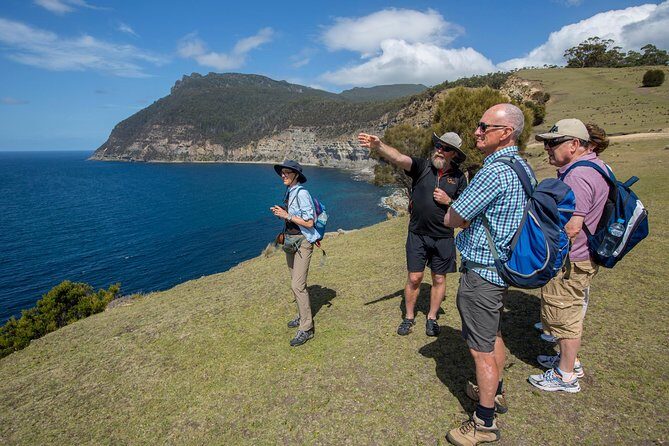
Maria Island is one of those rare places where the day is actually about more than one thing. You’re going for wildlife, yes, but the island also has convict history and dramatic geology that you can walk right up to. And since there are no cars or shops, it has that old-school feel of being off the grid—without needing to rough it.
The real win here is the guided side of it. Your guide helps you notice what you’d likely miss on your own: where to look, how to watch without disturbing animals, and how the history connects to where people lived long ago. Plus, the ferry ride is part of the experience, not a boring transfer.
There’s also a good balance of movement and downtime. You’ll walk enough to feel like you earned the views, and you’ll still have stretches of time to relax by beaches and scan the ocean for marine life.
The early start and the ferry: your first wildlife checkpoint
The day begins with a very clear timetable: you’re picked up in Hobart and the group departs promptly at 6:45am. If you’re late, they can’t wait, because they’re working on a tight ferry schedule. For me, that matters because it keeps the whole day from turning into “running behind” time.
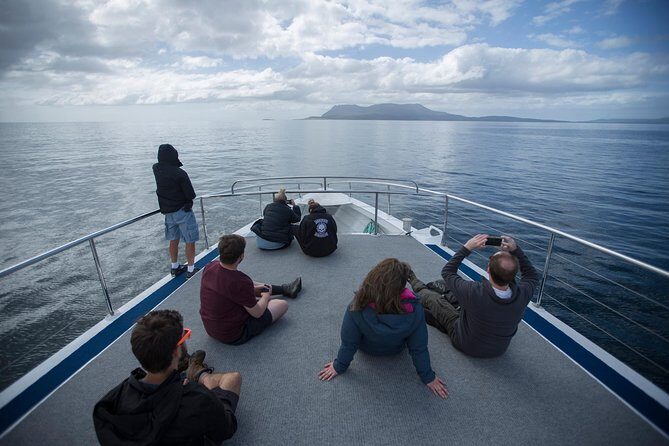
You’ll then head to the ferry and cross to Maria Island, with about 30 minutes of water time. The guide encourages you to keep an eye out for whales and dolphins during the crossing. This is a smart design choice: it gives you your first wildlife chance before you even start walking.
Also, keep your expectations realistic. This is a nature-and-wildlife setting, so sightings can be hit-or-miss depending on weather and the day’s animal movement. But the tour is set up to maximize odds.
You can also read our reviews of more tours and experiences in Hobart

Triabunna: the mainland setup before your island walking day

Before you’re fully on Maria Island time, the schedule includes Triabunna as the first stop. It’s essentially your staging point in the day, and it’s where the tour builds momentum toward the island: the guide sets context around what you’ll see, including the convict heritage and the range of wildlife on the island.
This part is useful because it’s not just waiting around. You’ll be moving through the day with the island themes in mind: animals first, then the walks, then the history at Darlington.
One practical note: this early portion is also where you have a chance to grab last-minute food on the mainland route. Since Maria Island has no shops, that matters.
Maria Island National Park: the guided base for wildlife and history
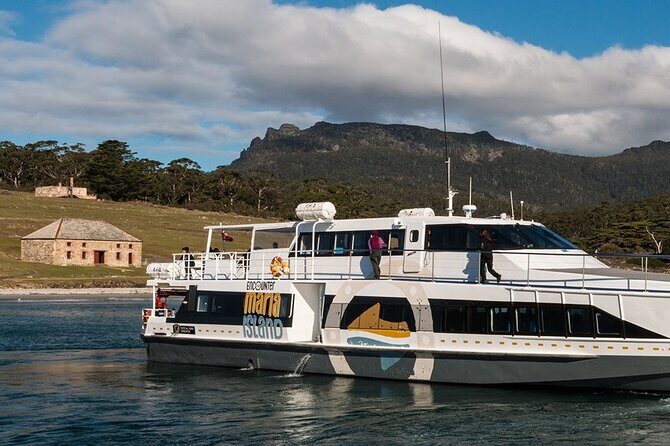
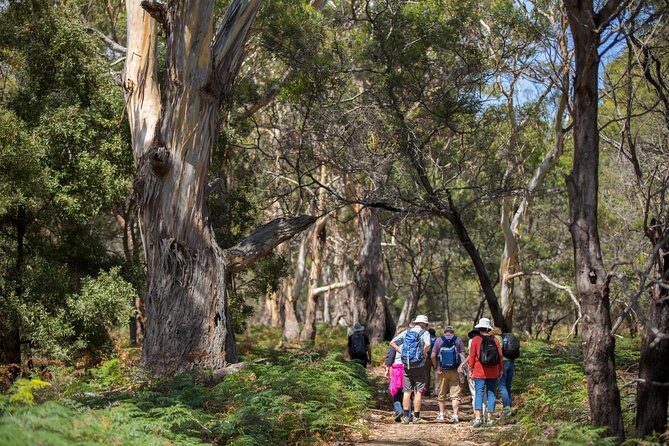
Once you’re on the island, the tour settles into its main rhythm: guided walks at a leisurely pace on tracks and boardwalks. Trails are described as suitable for people with moderate fitness, and the group moves together so you’re not left trying to decode island features by yourself.
This is also where you start the wildlife element in earnest. The island is known for native animals such as wombats, wallabies, kangaroos, Cape Barren Geese, and even little penguins. Tasmanian devils are also mentioned as part of what you may see in the wild, and that’s a big reason people plan this trip in the first place.
At the same time, you’re not just hunting animals. Your guide brings interpretive commentary about the island’s history. The convict story includes the Darlington World Heritage convict site, which adds meaning to the walks—this place wasn’t empty or untouched. It was lived-in, harshly.
What I like about this setup: it prevents the day from turning into a random walk where you only notice the scenery after you’ve already missed the point.
What to watch for: wildlife viewing is about patience and distance. The tour emphasizes minimizing disturbance and viewing from appropriate distances, which is exactly what you want to do if you want animals to keep being around.
Fossil Cliffs: easy-moderate walking with a geology payoff
One of the most distinctive parts of the day is the Fossil Cliffs walk. It’s set up as a series of easy to moderate walks where your guide links what you’re seeing to the island’s long timelines.
You’ll cover about 10 kilometers total across the two main walking trails for the day (so you can think of the Fossil Cliffs segment as a key chunk, not an afterthought). The goal isn’t speed. It’s getting you to the right viewpoints and giving you enough time to understand them.
This is also where having a guide helps you slow down in the right way. Without interpretation, Fossil Cliffs can feel like “cool rocks.” With guidance, you notice patterns and history in the terrain.
Weather reality check: Maria Island can shift fast. In one experience, the group dealt with strong winds and torrential rain on the island and still had clear skies later. Plan for wet and changeable conditions, and wear shoes that grip.
Painted Cliffs and Hopground Beach: the highlight you must time right
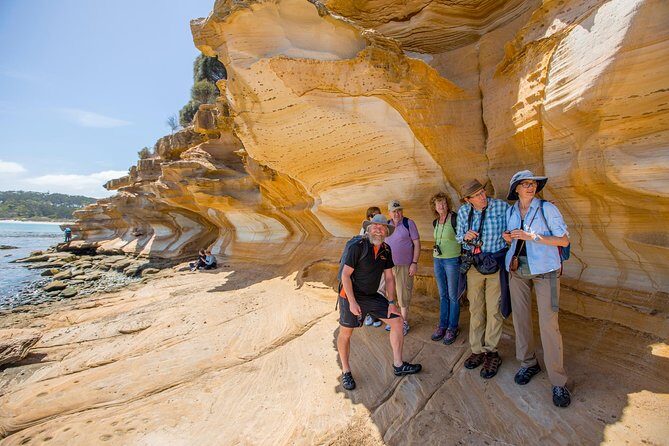
The Painted Cliffs portion is often why people sign up. The walk is described as gentle and mostly flat, leading to Hopground Beach where the Painted Cliffs are at the far end. Once you reach the cliffs, you get time to explore them.
The practical catch is timing with tides. In at least one case, access to the Painted Cliffs wasn’t possible due to high tide, and the route can only be reached safely at low tide. So while the tour is planned around that highlight, the ocean decides how it looks on your particular day.
For you, that means two things:
- Bring good walking shoes, even for a mostly flat route.
- Don’t assume every day will match the exact access conditions you might see in photos online.
Even with tide limitations, the day isn’t blank. You still get other walks, wildlife viewing, and beach time—but the Painted Cliffs moment can be the one that varies most.

Darlington World Heritage convict site: history you can connect to the terrain
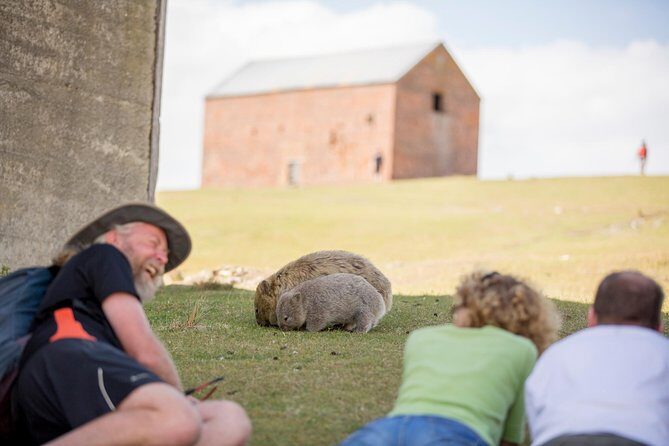
The convict history element is not just a lecture from a bus seat. The tour includes walking and discovery related to the Darlington World Heritage convict site, which helps you understand why people were here and what the landscape must have meant to them.
I like history like this: it’s tied to place. You’re looking at the same cliffs and bays that were part of the island’s working life, and you’re hearing how the island evolved from convict occupation into a protected natural area.
And because the tour is still focused on native wildlife, the day doesn’t feel like a pure history tour. You get the mix: wild animals, geological time, and human hardship in one coherent schedule.
Secluded bays, beaches, and marine scanning time
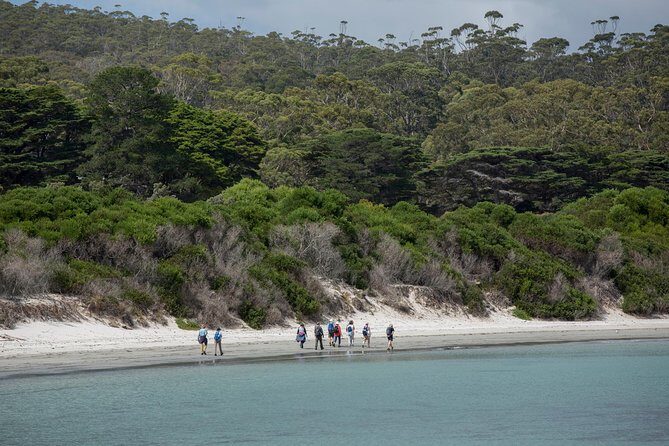
Between walks, you’ll have time to relax and enjoy Maria Island’s sheltered bays and beaches. You’re also encouraged to scan the ocean for wildlife such as dolphins, seals, little penguins, and (seasonal) migrating whales.
This “slow look” time is not wasted. It’s when you’re most likely to notice marine movement without feeling like you’re rushing between stops. It also gives your brain a break after the walking legs.
Bring swim gear if you want the option to swim in sheltered bays. The tour doesn’t promise every moment will be swimmable (weather happens), but it’s good to have the choice.
What to pack for a full 12-hour island day
You’ll be on the island for a long stretch—about 12 hours total—and Maria Island has no shops. That makes packing less about comfort and more about staying flexible.
Here’s what matters most, based on the tour’s guidance:
- Good walking shoes (mud and wet conditions can happen)
- A day pack only—no luggage is carried
- All-weather clothing, plus a layer for wind
- Water bottle and enough water (drinking water is limited)
- Snacks and lunch from the mainland stop onward, since there’s no on-island shopping
- Swim gear if you want the beach option
If you run the day with energy and basic supplies, you’ll enjoy the wildlife and viewpoints more. If you forget water, you’ll feel it fast.
Price and value: what $154.21 buys you in real terms
At $154.21 per person, this is a full-day tour, not a short ferry ride. Your money covers the return ferry crossing, national park entrance fees, professional guides, and interpretive walks, plus a small group size (max 19).
Is it cheaper than DIY? Often yes, if you count your time and coordination. And the guide is doing the heavy lifting: route pacing, wildlife etiquette, and interpretation at key points like Fossil Cliffs and the convict site.
If you’re the kind of traveler who likes to get to the right places at the right time—and you don’t want to figure out logistics or tide implications by yourself—this price feels fair. You’re paying for better odds and better context.
If you’re a very confident independent hiker with a flexible schedule and you know how to plan around tides and island logistics, DIY might work. But the whole point of the guided format is that you’re not relying on guesswork to get the most out of limited time on a car-free island.
Who this tour suits (and who might want a different plan)
This day fits best if you want a mix of wildlife, walks, beaches, and history without changing hotels or living on a strict itinerary.
You should feel comfortable with:
- Moderate walking on trails and boardwalks
- Spending a big chunk of the day outdoors
- Changing weather
It may be less ideal if:
- You dislike early starts and strict timing
- You can’t handle a long day (about 12 hours) with hiking
- You expect a guaranteed Painted Cliffs access every time (tides can affect it)
Minimum age is 8 years, so it can work for families with kids who can walk and stay engaged.
Should you book Maria Island with a wildlife-and-history guide?
I’d book it if you want Maria Island’s best parts without turning the day into planning homework. The combination of ferry wildlife spotting, guided walking, and convict history at Darlington is a strong way to use one visit.
Book with confidence if:
- You’re excited about seeing wildlife like wombats and wallabies
- You like having an interpreter for what you’re looking at
- You want a structured day that still leaves room to relax at beaches
Think twice if:
- Your day is fragile around the Painted Cliffs highlight and you can’t accept tide-related changes
- You’re sensitive to early mornings and strict departure timing
If you match the walking level and you show up ready with shoes, water, and snacks, this is an efficient, memorable way to experience Maria Island for a day.
FAQ
What time does the tour start?
It starts with pickup in Hobart at 6:45am and the group departs promptly.
How long is the Maria Island tour?
The duration is about 12 hours (approx.).
Are there shops on Maria Island?
No. There are no shops on Maria Island, and there’s limited drinking water.
What should I bring for the day?
Bring good walking shoes, a day pack, all-weather clothing, swim gear (if you plan to swim), plus your own snacks and lunch. The tour includes a brief stop to buy food before you reach the ferry.
Is this tour suitable for moderate fitness?
Yes. The walks are described as suitable at a leisurely pace for people with moderate fitness, but it is still an active day.
What kind of wildlife might I see?
The tour focuses on native wildlife such as wombats, wallabies, kangaroos, Cape Barren Geese, and little penguins, and it also mentions Tasmanian devils in the wild. Whales and dolphins may be seen from the ferry, depending on conditions.
Is there luggage storage on the ferry?
No. You should plan for no luggage on board, only a day pack.
Can I always reach the Painted Cliffs?
Safe access depends on conditions, and the Painted Cliffs are described as reachable at low tide. If tide conditions aren’t right, access may not be possible that day.
How big is the group?
The tour has a maximum group size of 19 travelers.