REVIEW · HOBART
Hobart: 3-Hour City Sightseeing Tour
Book on GetYourGuide →Operated by Gray Line Tasmania · Bookable on GetYourGuide
Hobart gets its best “first look” fast. In just three hours, you roll past the key story points of town, from colonial waterfronts to penal-era landmarks, with photo stops and a real stop at the Royal Tasmanian Botanical Gardens.
I like that the ride feels planned but not stiff: you get hop-off moments at places like Salamanca Place and the Female Factory, plus a chance to stretch your legs in the gardens. I also like the mix of viewpoints—streets and buildings one minute, then big river-and-mountain views from Rosny Hill.
One thing to consider: even though it’s branded a coach tram tour, another vehicle may be used on the day for operational reasons, and the stops are short by design—so it’s an overview, not a slow wander.
In This Review
- Key Things I’d Focus On Before You Go
- Three Hours in Hobart: the best way to get your bearings
- Brooke Street Pier start: Sullivan’s Cove, Parliament House, and Salamanca
- Through Battery Point and the penal-era landmarks people remember
- South Hobart stops: Cascade Gardens and the Female Factory story
- Rosny Hill lookout and Tasman Bridge views: the photo payoff
- Royal Tasmanian Botanical Gardens: the “Vegie Patch” and real time to wander
- The hop-on, hop-on rhythm: how to make short stops work
- Price and value: what you actually get for $46
- Who this tour suits best (and who might want a different pace)
- Should You Book the Hobart 3-Hour City Sightseeing Tour?
- FAQ
- How long is the Hobart city sightseeing tour?
- Where does the tour start and where do I meet the guide?
- Is hotel pick-up included?
- Will I definitely ride a coach tram?
- What language is the tour guide?
- What’s included in the price?
- What if I need to cancel?
Key Things I’d Focus On Before You Go
- Coach tram sightseeing with photo stops: hop off, shoot a few photos, do a short walk, then head back to your seat.
- Penitentiary-era stops: the Penitentiary Chapel and the Female Factory site give Hobart’s darker chapter context.
- Battery Point + Salamanca Place combo: Georgian-era streets and classic waterfront character in one loop.
- Cascade Gardens time: a stop designed for views and an optional walk with exterior looks at Cascade Brewery.
- Rosny Hill lookout views: clear chances to see Hobart, Sandy Bay, Mount Wellington, and the Tasman Bridge area.
- Royal Tasmanian Botanical Gardens free time: the “Vegie Patch” is part of the reason this stop is famous.
Three Hours in Hobart: the best way to get your bearings
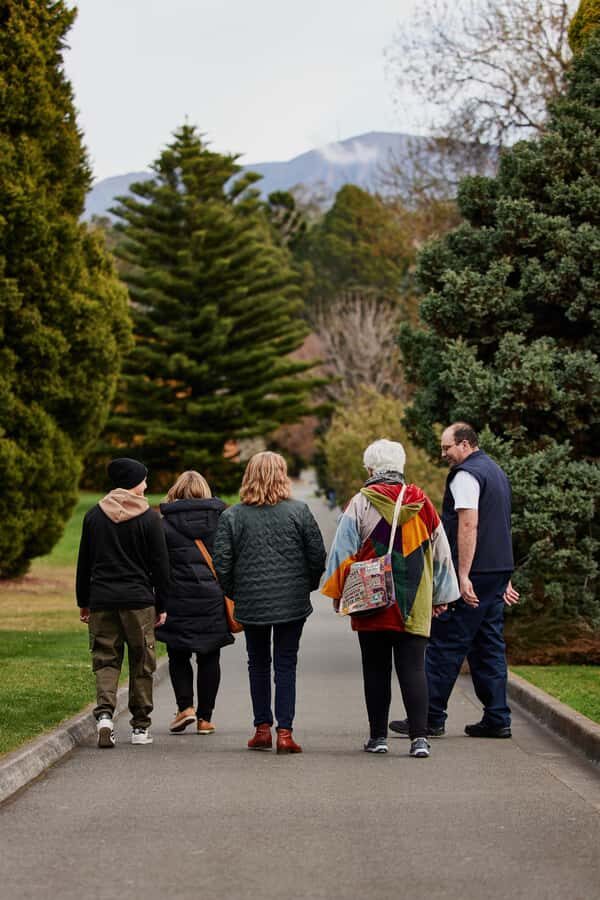
This is the kind of tour you take early in your trip. It doesn’t try to be everything to everyone; it gives you a clear “map in your head” for later self-guided exploring. You’re in a guided loop that links major neighborhoods, major viewpoints, and a couple of major historical stops.
At $46 per person for a 3-hour coach tram sightseeing circuit, you’re paying for two things: transportation that does the driving for you, and a live guide who ties the sights together. With a 4.6 rating from 179 reviews, the big takeaway is consistency—people like how smoothly it runs and how much context they get along the way.
Just remember the core format: it’s a whirlwind. If you’re craving long photo walks and deep museum-style time, you’ll still want the tour, but you’ll also want a follow-up day in the places that grab you.
You can also read our reviews of more city tours in Hobart



Brooke Street Pier start: Sullivan’s Cove, Parliament House, and Salamanca

The tour starts at Brooke Street Pier, with the Gray Line Day Tours desk inside the pier building (look for the Gray Line desk at 12 Franklin Wharf, coaches parked outside). It’s a convenient meeting point if you’re already in the waterfront area, and it makes it easy to roll straight into sightseeing without hotel logistics.
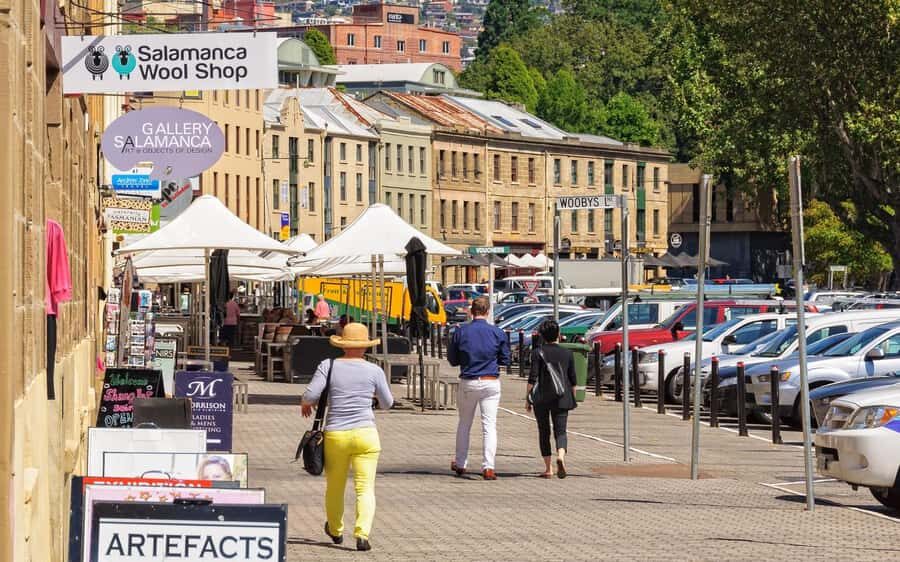
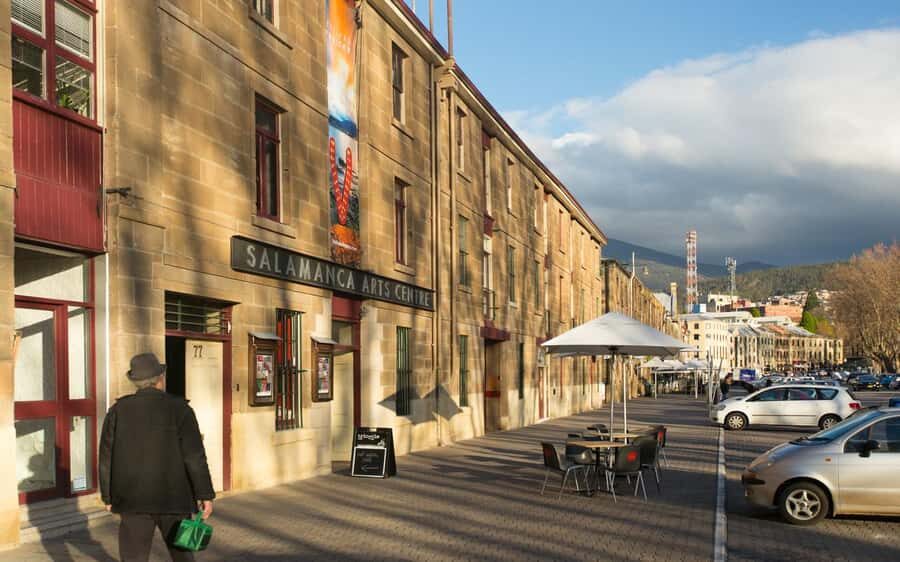
The early part is all about Hobart’s “where it began” energy. The route begins at Sullivan’s Cove, the birthplace area, and then you pass Parliament House. From there, you move into the Georgian style warehouses of Salamanca Place.
I love Salamanca Place on these tours because it’s photo-friendly even if your stop time is limited. You’ll see the look of the waterfront warehouses, and you get enough orientation to later decide if you want to linger for markets or a coffee (depending on the day). The guide commentary helps you connect what you’re seeing with what it used to mean.
If you’re sensitive to hearing fatigue, here’s a small tip: sit near the front or a window side that matches your comfort. You’ll get plenty of narration across moving time, and it’s nice when you can focus without glare.
Through Battery Point and the penal-era landmarks people remember
Next comes one of Hobart’s most characterful areas: Battery Point. This is where you’ll notice the neighborhood looks different from the more modern waterfront stretches—older streets, historic homes, and that classic “someone preserved this on purpose” vibe.
From there, the tour leans into history that’s harder to romanticize. You’ll see Hobart Town Hall and then move toward key penal-era stops, including the Penitentiary Chapel. The guide’s job here is important: these aren’t just buildings you pass by. They’re places tied to how Hobart ran—social control, punishment, and the everyday machinery of governance.
The best way to use these moments is to treat them like “context pages.” Don’t try to read every stone on a short walk. Instead, let the guide explain what the site represents, grab the exterior photos you want, then file the details so you can look them up later if something really hooks you.
One of the most praised parts of this tour is the guide-led storytelling. Guides have been called out by name for being both informative and accommodating—people specifically mentioned guides like Allen, Hugo, Tim, Peter, and Colin for making the content clear and the atmosphere friendly.
South Hobart stops: Cascade Gardens and the Female Factory story
The loop heads to South Hobart and includes a stop at Cascade Gardens. This is a genuine value add, because it breaks the pattern of “just driving and pointing.” You get an option to walk and view the exterior of the Cascade Brewery building, so you can take in the park setting without spending your whole trip on logistics.
Then comes one of the most memorable cultural stops on the route: the exterior remains of the Female Factory, once a female prison. If you like when history connects to modern culture, this stop gives you that. The Female Factory is also referenced in Bryce Courtenay’s novel The Potato Factory, and that literary link gives you a different handle for remembering what the place was.
This part works best if you go in mentally prepared for seriousness. You won’t be there long, but it’s the kind of stop where you’ll likely pause for a minute longer than you planned. If you’re taking a friend who only wants light sightseeing, this is the section where you can show them why Hobart isn’t just scenery.
Rosny Hill lookout and Tasman Bridge views: the photo payoff

One of the biggest reasons people enjoy this tour is the way it mixes city streets with viewpoint payoffs. After passing Government House, you cross Tasman Bridge and then stop at Rosny Hill lookout.
From Rosny Hill, the views are wide and specific: Hobart, Sandy Bay, Mount Wellington, the Tasman Bridge, and Glenorchy are all part of what you’re meant to see. This is where the tour stops feeling like a checklist and starts feeling like a geography lesson. Suddenly you can understand where the city sits, how the river cuts through it, and why the mountains loom so large.
Then the tour keeps the viewpoint momentum. You cross the Derwent River again and admire views toward Kangaroo Bay Marina and Bellerive. Along the way you pass Victoria Dock and Constitution Dock, which helps you place Hobart’s working harbor side against the more scenic parts.
Practical tip: if it’s windy (and it can be), stand where you can get steady footing and shoot in quick bursts. The tour is timed, so you’ll be grateful for a few good photos over a marathon.



Royal Tasmanian Botanical Gardens: the “Vegie Patch” and real time to wander
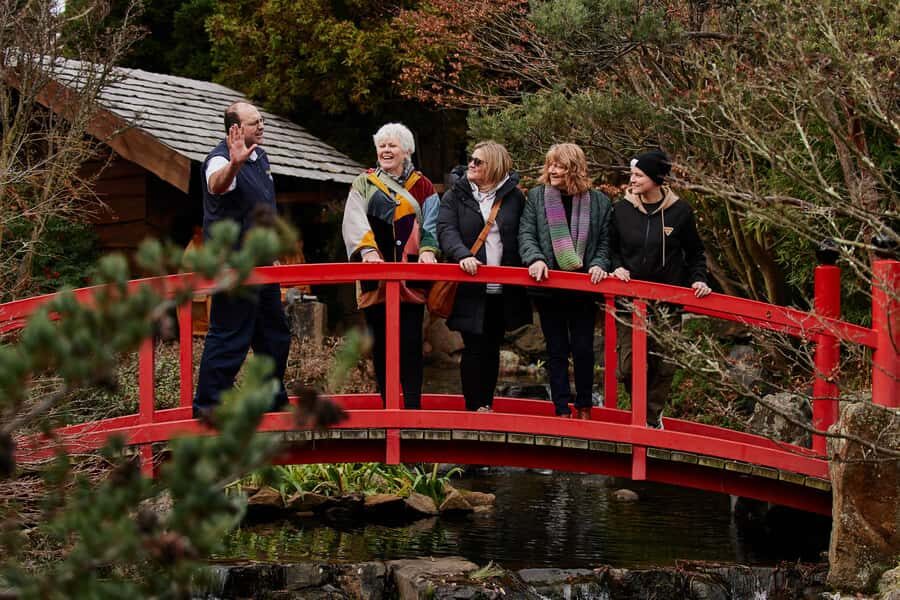
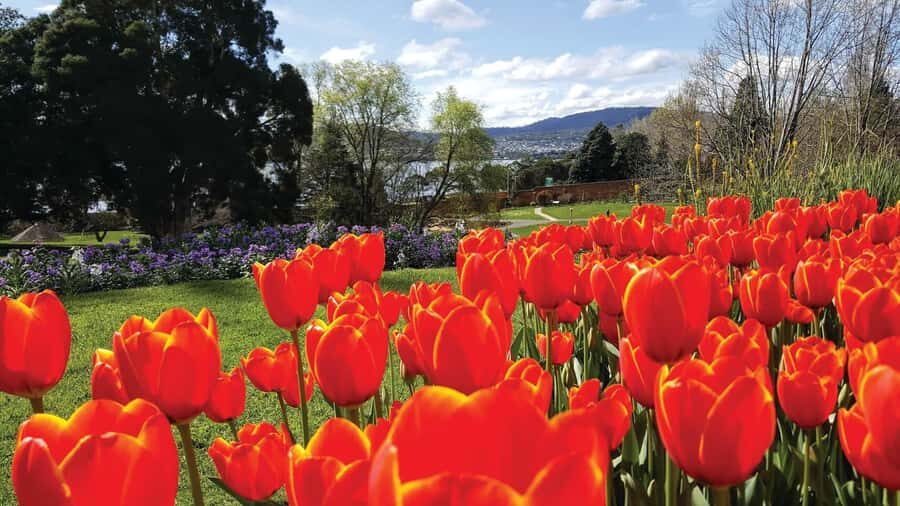
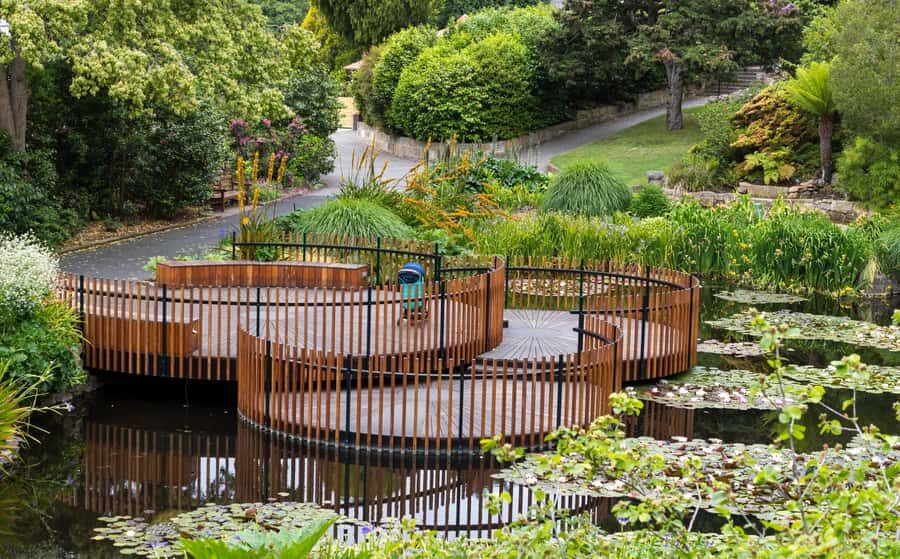
If you want the one stop that turns a coach tour into something more personal, it’s the Royal Tasmanian Botanical Gardens. You get free time here to stroll, take photos, and move at your own pace instead of being pulled along to the next exterior.
This gardens stop has a pop-culture anchor. The tour highlights The Vegie Patch, made famous by Peter Cundall from ABC’s Gardening Show. That detail matters because it tells you this isn’t only about old trees and formal paths—it’s about everyday gardening interest too.
Some people would love more time in the gardens, and that’s the trade-off with a three-hour tour: you get a good slice, but you don’t get a full morning or afternoon. If you’re the type who could happily spend two hours just wandering among plants, plan to return later on your own.
A smart strategy: when you first arrive at the gardens, do one “loop” quickly—grab the landmark shots, then circle back if something catches your eye. That way you don’t miss the garden highlights while you’re still in the excited phase of the walk.
The hop-on, hop-on rhythm: how to make short stops work
The format is part of the appeal. You’ll typically get opportunities to hop off for photos, with short walks to explore the areas before returning to your seat and continuing the tour. It’s designed for people who want the structure of a guided route but still want to experience the places at street level.
The downside is also built in: if you’ve got a top priority like Battery Point photo streets or you really want to linger at Cascade Gardens, the tour can feel like “just getting started.” A few guests have specifically suggested that they’d trade time around the edges for more time in the botanical gardens, and that’s a fair instinct. This tour is best when you use it as orientation.
Here’s how I’d plan your day around it:
- Take the tour early, then go back to the one or two places that made the biggest impression.
- If you’re on a tight schedule, treat the gardens stop as your chance to get a first taste, not the final course.
Also keep in mind the vehicle situation. While it’s often described as a coach tram, there’s a note that other vehicles may be used due to operational reasons. That won’t change the route, but it can affect comfort expectations if you booked specifically for the tram look.
Price and value: what you actually get for $46
At $46 per person for three hours, the value is in the total package: guided driving, interpretation at multiple stops, and at least one meaningful stretch of walk time. You’re not paying extra for hotel pick-up because hotel pick-up and drop-off isn’t included—so you’ll need to get yourself to the pier, which is simple if you’re staying nearby.
You also get a driver/guide. That matters more than people think. On a self-drive day, you’ll see the places but you might miss the “why this mattered” part. Here, the guide ties locations together so it feels like a storyline rather than disconnected postcards.
Comfort seems to be a theme too. Several guests praised the vehicle and mentioned things like air-conditioning being handy. One review even mentioned they’d have preferred an old tram-style vehicle but still found it comfortable. In other words: you’re buying the sight-and-story experience, not a collectible vehicle.
If you’re the kind of traveler who likes efficiency—crisp routes, quick orientation, and a guided narrative—you’ll likely feel this tour was worth the money. If you prefer long independent wandering, you might feel the time is tight.
Who this tour suits best (and who might want a different pace)
This works especially well for:
- First-timers to Hobart who want a guided route that hits the major sites without planning.
- People who like history but don’t want to choose between several separate tickets for each landmark.
- Travelers who value viewpoints and photo stops and want them handled for them.
It might be less ideal if:
- You already know Hobart well and want deep, specific content in one neighborhood.
- You want long walks at every stop. The format is short walks plus return to the seat.
- You need a very specific vehicle type. Since other vehicles may replace the tram for operational reasons, expect flexibility.
If you’re traveling with kids or a group with mixed interests, this is a decent compromise because the route has both scenic breaks and story stops.
Should You Book the Hobart 3-Hour City Sightseeing Tour?
Yes—if you want a guided “greatest hits” loop with real orientation, this is a smart bet. You get the city’s signature neighborhoods (including Salamanca Place and Battery Point), major historical stops (including Penitentiary Chapel and the Female Factory exterior), plus viewpoint payoff from Rosny Hill and a proper wander at the Royal Tasmanian Botanical Gardens with the Vegie Patch connection.
I’d especially book it if you’re short on time or you want help turning Hobart into a place you understand quickly. Then, use what you learn on this tour to pick one or two spots for your slower return trip.
FAQ
How long is the Hobart city sightseeing tour?
The tour is 3 hours long.
Where does the tour start and where do I meet the guide?
You meet at the Gray Line Day Tours desk inside Brooke Street Pier building, at 12 Franklin Wharf, Hobart TAS 7000. Coaches are parked outside in front of the building.
Is hotel pick-up included?
No, hotel pick-up and drop-off are not included.
Will I definitely ride a coach tram?
The tour is described as a coach tram city sightseeing tour, but due to operational reasons other vehicles may be used.
What language is the tour guide?
The live tour guide is in English.
What’s included in the price?
The price includes the 3-hour coach tram tour and the driver/guide.
What if I need to cancel?
You can cancel up to 24 hours in advance for a full refund.