REVIEW · HOBART
Hobart History, People & Places – 2 hour city walk
Book on Viator →Operated by Hobart Walking Tours · Bookable on Viator
Hobart history clicks into place on a walk. In just two hours, you’ll move from Hunter Street to the waterfront and end at Salamanca Place, with a guide translating buildings, statues, and street corners into real stories.
Two things I really like: the small-group feel (easy to ask questions) and the way the tour connects architecture to people, including British settlement and Indigenous history. The route is also planned for sightlines and photos, not a hard march.
One thing to consider: it is a 2-hour walk along city pavements, so wear decent shoes and plan for standing time (there are spots to perch, but you’re still on your feet).
In This Review
- Key things you’ll notice on this Hobart walk
- From Henry Jones Art Hotel to Hunter Street: the easiest way to orient yourself
- Spotting Georgian and Victorian Hobart like a local
- The seat of power walk: church, court, and prison context
- City parks, statues, and stories you might not expect
- Waterfront and Salamanca Place: finishing where Hobart shows off
- How the 2-hour pace really feels on foot
- Who’s leading—and why that changes the experience
- Price and value: why $27.26 feels reasonable here
- Is this tour for you? Best matches in real life
- Practical notes before you go
- Should you book Hobart History, People & Places?
- FAQ
- How long is the Hobart History, People & Places walk?
- What does the tour cost?
- Where does the tour meet and where does it end?
- How big is the group?
- Is the tour wheelchair accessible?
- What’s included in the price?
- Are food and drinks included?
- How much of it is walking, and are there places to rest?
- Are children allowed on the tour?
- Can I bring a service animal?
- What if the weather is bad or I need to cancel?
Key things you’ll notice on this Hobart walk

- Henry Jones Art Hotel meeting point: a central start that makes the rest of the CBD easy to follow
- Georgian and Victorian details: you’ll learn what to look for on well-preserved facades
- A short history loop: waterfront, Hunter Street, parks, and the seat-of-power area within one tidy tour
- Two parks with very different vibes: statues and stories in one, a darker local secret in another
- Small group size: designed to keep the conversation going, not just the talking
- Salamanca Place finish: you land right where the city buzz is, especially on market days
From Henry Jones Art Hotel to Hunter Street: the easiest way to orient yourself
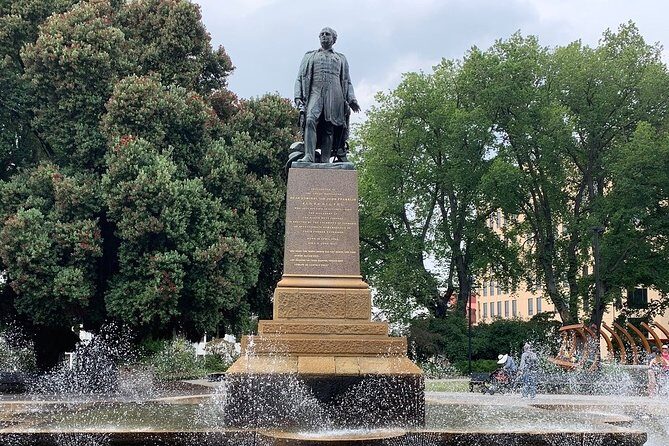
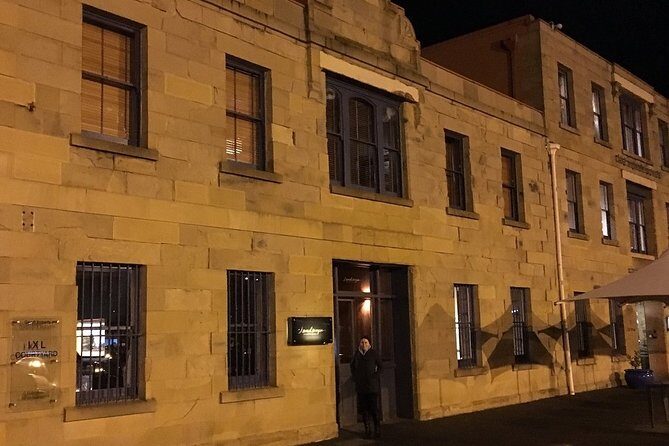
The tour starts at 25 Hunter St, right outside the Henry Jones Art Hotel. That’s a smart choice. You’re already in the middle of Hobart’s action, so you don’t need a bus to get oriented before you start learning.
From there, you head along Hunter Street, and this is where the walk earns its keep. It’s not just “look, a building.” You’ll learn what you’re seeing and why it matters—like how the streetscape reflects the city’s colonial-era beginnings and how later eras left their mark too.
If you’ve only got one day in town, this is an efficient way to build your mental map. You’ll come away knowing which areas feel like the city’s early heart, where the waterfront fits in, and how Salamanca Place connects to the rest of the CBD.
You can also read our reviews of more walking tours in Hobart



Spotting Georgian and Victorian Hobart like a local
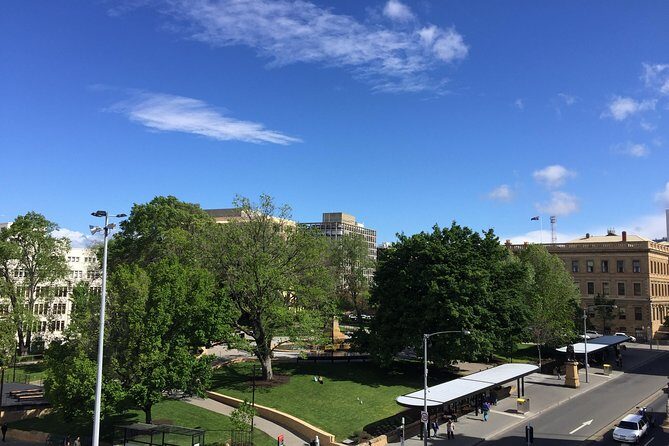
A big highlight is the focus on heritage-listed architecture—especially Georgian and Victorian building styles. Hobart’s center has a lot of preserved facades, and most people walk right past them without noticing the details.
On this tour, your guide points out those details as you go. You’re basically training your eyes: you start noticing proportions, materials, and how these buildings signal who had power, money, and influence at different times.
This is also where the tour becomes more than an architecture lesson. The guide weaves in the story of early British settlement—both the troubles and the successes. You’ll also hear about Indigenous people of the area and their responses to British invasion. That matters, because it keeps the tour from turning into a one-sided, sanitized postcard of the past.
The seat of power walk: church, court, and prison context
As you keep moving through central Hobart, the tour steps into the theme of control and consequence. You work up toward the area that houses key civic institutions—church, court, and prison.
Even if you’ve read about convict history before, seeing these sites as part of a walking route changes how it lands. It’s one thing to learn a name. It’s another to understand how the city’s physical layout supported enforcement, governance, and social order.
This part of the walk also tends to be a natural conversation starter. The guide’s stories make the buildings feel less like props and more like evidence of how Hobart functioned. If you like to ask questions, this is a good stretch to do it—because you’ll be standing in the right place for the topic.
City parks, statues, and stories you might not expect
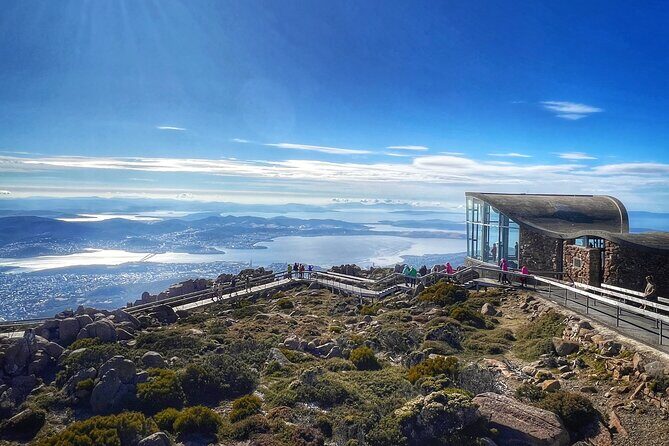
One of the tour’s strengths is variety without getting long-winded. After the civic area, you stroll through a city center park where you’ll meet statues and the stories behind them.
Statues can be tricky. They’re often treated like background decoration. Here, you’ll get context—who the figures were, what they represented, and why they were placed where they are now. It’s the kind of information that makes your photos better too. Instead of only snapping faces and bronze shapes, you’ll know what you’re looking at.
Then you head to another park with a dark secret. The tour doesn’t spell it out with movie-mystery theatrics, but it does give you local perspective—something many visitors don’t pick up on their own. Even if you’re not the type who chases ghost stories, you’ll probably enjoy this because it connects to how cities remember (and sometimes hide) uncomfortable parts of their past.
Waterfront and Salamanca Place: finishing where Hobart shows off
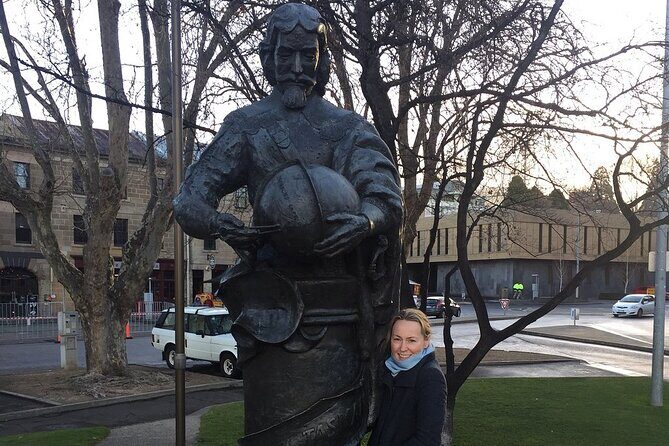
The last stretch brings you to the Hobart waterfront area and then ends at Salamanca Place (Salamanca Pl, Hobart). This is a good way to structure a history walk: you end with scenery and atmosphere rather than one final lecture.
Salamanca Place is world famous for its Saturday markets, and it’s also simply a great place to regroup after two hours of walking. When you arrive, you’re not stuck back out on a quiet side street. You’re right where the city is built for lingering.
Your guide can also point you toward favorite cafes for coffee after the tour. That’s a small detail, but it’s practical. A good walking tour is also about helping you transition into the rest of your day without guesswork.
You can also read our reviews of more city tours in Hobart






How the 2-hour pace really feels on foot

The tour runs about 2 hours. That length is ideal for first-time visitors because it’s long enough to cover real ground and short enough to stay pleasant.
This isn’t described as an intense hike. It’s a walking tour along city pavements, and the route has places to sit or perch. That matters if you want photos without constantly stopping awkwardly, or if you need a breather now and then.
Because it’s a downtown route, it’s also close to public transportation, so you can loop in easily even if you’re not staying right in the center.
Also, the small-group size helps your pace. With a maximum group size listed at 10 travelers, you’re not fighting crowds to get the guide’s attention. Reviews also mention groups around 8 people, which makes the tour feel even more personal.
Who’s leading—and why that changes the experience
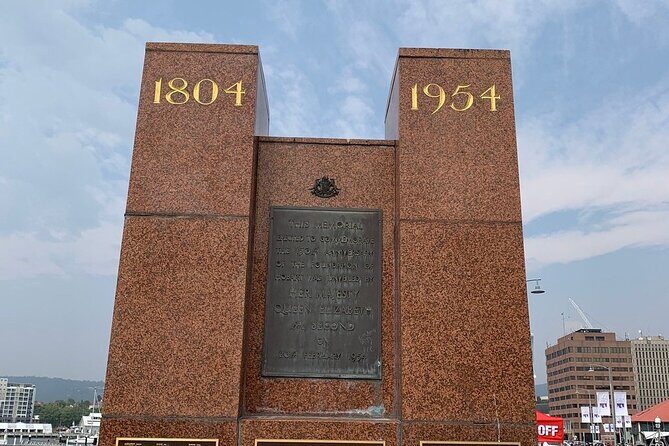
The tour includes a professional local guide, and the guide is the engine of the whole thing. In the reviews, the most mentioned guide names are Lisa, Deb, and Jan. Across them, the common thread is storytelling with structure: clear explanations, a conversational style, and answers that don’t fizzle when you ask follow-ups.
One of the best aspects from the reviews is the way the tour handles questions. People felt comfortable getting answers, and the pace was described as leisurely enough to take photos and absorb details rather than feel rushed.
You’ll also see references to photos and maps used during the tour. That’s genuinely useful. It helps you connect what the guide is saying to what you can see in front of you, especially when the story stretches back to periods you can’t quite picture yet.
Price and value: why $27.26 feels reasonable here
At $27.26 per person for around 2 hours, this isn’t a “budget bus tour” price, and it’s not a premium private-guide rate either. What makes it feel like good value is the mix of things you get for that money:
- A local guide doing the hard work of interpretation
- A route that includes multiple high-interest stops: Hunter Street, waterfront, parks with statues and a dark secret, and the Salamanca Place finish
- A small-group format that supports questions
- A walking time that fits into a normal day without draining it
If you’re the type who likes to learn as you go, the cost makes more sense than it might for a basic sightseeing stroll. You’re paying for context and for the guide’s ability to point out what most people miss.
Is this tour for you? Best matches in real life
This is a strong fit if you:
- want a fast orientation to Hobart’s CBD and waterfront
- like history, but also like stories that make buildings feel human
- prefer a small-group tour where you can actually ask questions
- are planning to spend time around Salamanca Place and want better context first
It’s also a solid option if you don’t want to commit to a longer tour. Two hours is enough to change how you see the city, and then you still have energy left for coffee, markets, or a slow stroll on your own.
Practical notes before you go
A few details from the tour info that matter in real life:
- You’ll get a mobile ticket, which makes it easy to manage on your phone.
- Service animals are allowed.
- Children must be accompanied by an adult.
- The tour is wheelchair accessible, and it’s designed as a walk along city pavements.
- It operates in all weather conditions, but the experience also notes it requires good weather. If it’s canceled due to poor weather, you’ll be offered a different date or a full refund.
In other words: dress for weather, bring shoes you can stand in for a couple hours, and don’t plan to sprint from stop to stop.
Should you book Hobart History, People & Places?
If you want an efficient first look at Hobart that goes beyond surface sightseeing, I’d book it. The big draw is the balance: architecture, colonial-era stories, Indigenous history context, and a route that ends in a fun place to keep your day going.
It’s especially worth it if you like your history with specific settings—Hunter Street, the seat-of-power area, parks with statues, and finally Salamanca Place. You’ll come away with a stronger sense of what you’re seeing and why it’s there.
If you hate walking, or you need lots of breaks, then this might be harder. But since the tour is built for a casual pace with places to perch, many people find it manageable.
FAQ
How long is the Hobart History, People & Places walk?
It runs for about 2 hours.
What does the tour cost?
The price is $27.26 per person.
Where does the tour meet and where does it end?
You meet at 25 Hunter St, Hobart TAS 7000. The tour ends at Salamanca Place, Salamanca Pl, Hobart TAS 7000.
How big is the group?
The maximum group size is listed as 10 travelers.
Is the tour wheelchair accessible?
Yes, the tour is wheelchair accessible.
What’s included in the price?
A professional local guide is included.
Are food and drinks included?
No, food and drinks are not included.
How much of it is walking, and are there places to rest?
It’s a walking tour along city pavements. The route includes places to sit or perch.
Are children allowed on the tour?
Children must be accompanied by an adult.
Can I bring a service animal?
Service animals are allowed.
What if the weather is bad or I need to cancel?
You can cancel for a full refund up to 24 hours in advance. The experience requires good weather, and if it’s canceled due to poor weather, you’ll be offered a different date or a full refund.