REVIEW · HOBART
Hobart Historic Walking Tour
Book on Viator →Operated by Historic Hobart Tours · Bookable on Viator
Hobart’s history comes fast when you walk it. This small-group historic walk is built for orientation and story, with a guided route through colonial-era streets, heritage buildings, and the convict history that shaped the city’s character. I like how the guide brings names, dates, and cause-and-effect into normal street corners, so you don’t just see old stone—you understand why it matters.
Two things I really appreciate: the guide-led pacing (it feels manageable even if you’re not a hardcore history person), and the chance to get your bearings quickly before you strike out on your own. One possible drawback: if you end up a bit off to the side, you might miss small chunks of commentary when the guide talks while pointing at a building.
In This Review
- Key things to know before you go
- Starting at Davey Street, Ending at Salamanca Place
- Why Hobart’s colonial and convict story is easier on foot
- Early settlement orientation: heritage buildings and why they survive
- St David’s Park monuments: the memorial wall built from old headstones
- Walking the harbor area: where views meet backstory
- Small-group touring: better pacing and real Q&A
- Photo opportunities that aren’t just selfies
- Price and value: why $27.26 can be a smart hit of context
- What to bring, and how to plan your 2 pm afternoon
- Who should book this tour (and who might not get as much from it)
- Should you book the Hobart Historic Walking Tour?
- FAQ
- How long is the Hobart Historic Walking Tour?
- How much does the tour cost?
- Where does the tour start and end?
- What time does the tour start?
- What’s included in the price?
- Is food or drinks included?
- How large is the group?
- Is this tour suitable for children?
- What if the weather is bad?
- Is free cancellation available?
Key things to know before you go
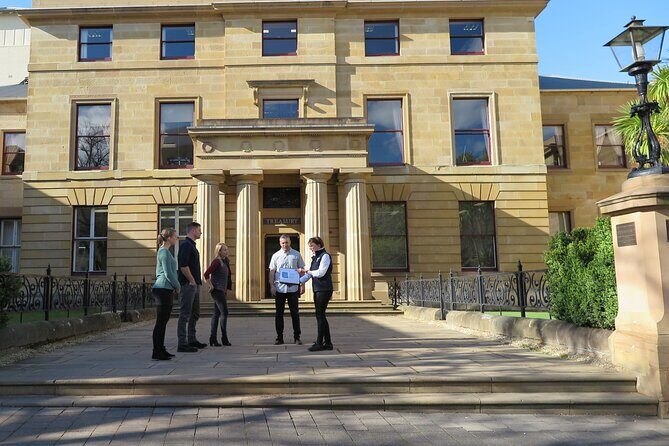
- Small-group size (max 12) means more time for questions and less time waiting.
- Colonial + convict focus gives a clear, beginner-friendly picture of early Hobart.
- Heritage buildings and photo stops turn a simple walk into a story trail.
- St David’s Park monuments and a memorial wall built with old headstones are a standout moment.
- Easy-going timing: it’s about 90 minutes, with a pace that stays comfortable for most people.
Starting at Davey Street, Ending at Salamanca Place
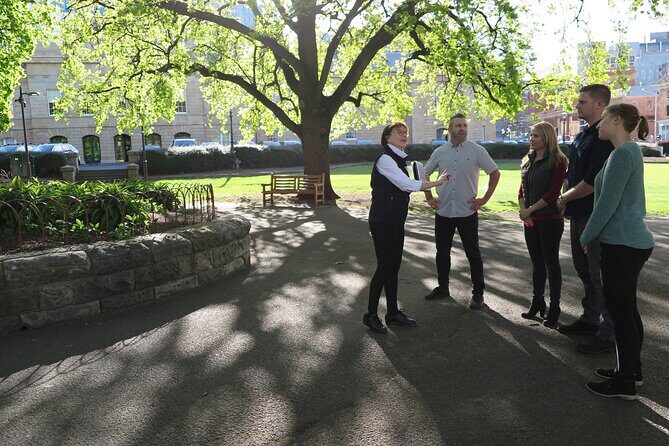
This tour runs in the afternoon, starting at 2:00 pm, and it’s about 1 hour 30 minutes long. You meet at the Tasmanian Travel & Information Centre, 20 Davey St, which is a handy spot because it’s easy to find and sits in the heart of town. When you finish, you end at Salamanca Place, so you can roll straight into shopping, cafés, or a post-walk wander.
That start-to-finish flow matters. It means you’re not just walking in a loop—you’re walking the parts of central Hobart that help you understand where things are and why they’re where they are. If you’re only in town for a short visit, this kind of orientation is worth its weight in time.
One more practical note: the tour uses a mobile ticket, and it doesn’t include hotel pickup or drop-off. Plan to arrive on foot or via public transport, then head back out on your own once you’re done.
You can also read our reviews of more walking tours in Hobart



Why Hobart’s colonial and convict story is easier on foot
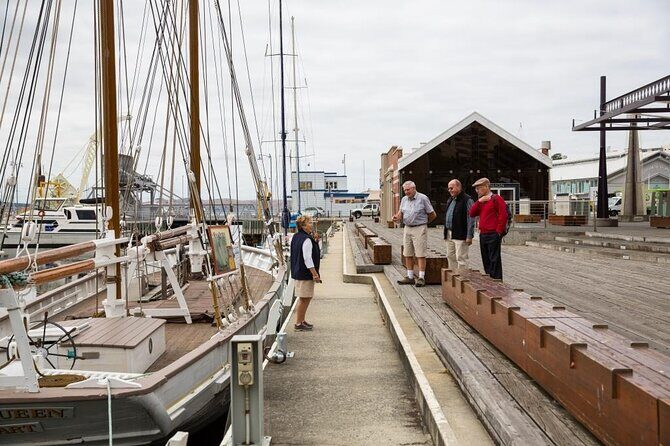
Hobart’s early years can feel like a pile of facts—until you tie them to real buildings and real streets. This walk is designed to do that. You’ll hear how the city formed, who influenced it, and how convict-era decisions shaped daily life, even long after the original systems were gone.
What I like about this approach is that it doesn’t treat history like a lecture. It turns it into street-level cause and effect: settlement choices lead to building choices, building choices lead to what survives, and what survives leads to what you notice today. You get a route that feels like an introduction, not a test.
If you’re a first-timer, this is a smart way to build context before you hit museums or start researching on your own. If you’re returning, it still works because the walk points out heritage-listed details that many people miss even when they’re nearby.
There’s also a heads-up built into the theme. The tour’s framing centers on colonial and convict history. If you’re specifically looking for strong coverage of Indigenous history in this exact time slot, you may want to ask questions or consider adding another stop elsewhere so you get the full picture you’re after.
Early settlement orientation: heritage buildings and why they survive
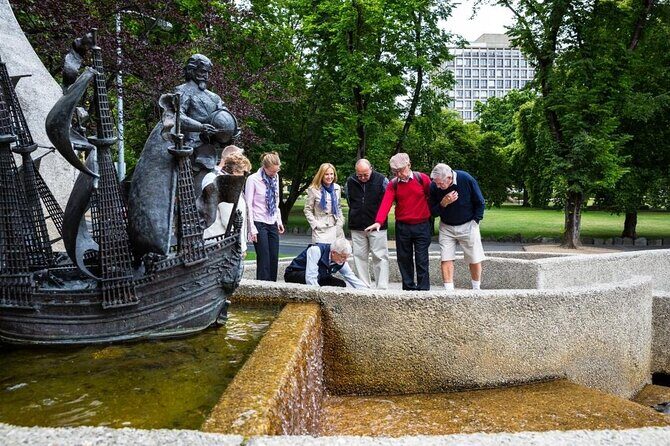
Your walk starts with a simple goal: get you oriented and show you the kind of structures that carry Hobart’s story. Along the route, you’ll identify heritage-listed buildings and hear what early characters were dealing with—social pressure, political power, and the practical realities of settlement.
This is where the guide earns their pay. Instead of repeating a generic script, they point out features and explain what they were for. It’s the difference between seeing old sandstone walls and understanding what those walls were built to do.
Expect a lot of short story beats tied to what’s in front of you. That helps your brain file the information where it belongs, so you can remember it later when you’re comparing neighborhoods or planning other parts of your day.
St David’s Park monuments: the memorial wall built from old headstones
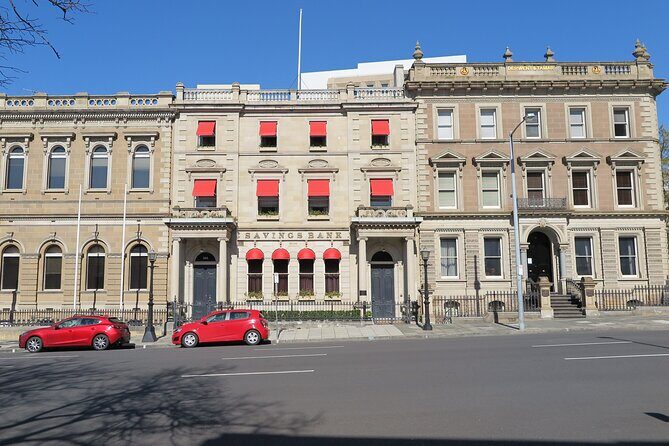
One of the most memorable stops is St David’s Park, where you’ll spend time with the area’s monuments and the memorial wall constructed using old headstones. This isn’t the kind of detail you’d stumble into on your own without a bit of guidance, and it changes the tone of the walk in a good way.
The strongest value here is that it gives history a human scale. Instead of only talking about institutions and governance, you get a reminder that people lived, died, and were remembered—sometimes in ways that still shape public space.
It’s also a great pause point for photos and reflection. The park is a natural break from street-level walking, and it helps reset your attention before the route heads back toward the harbor-side atmosphere.
Walking the harbor area: where views meet backstory
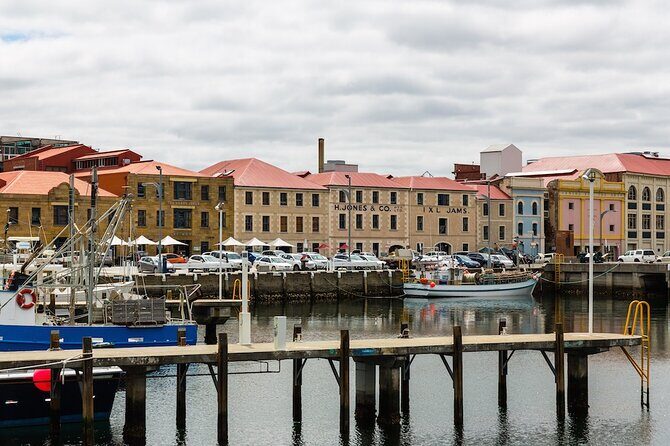
You’ll also cover the harbor/early settlement area, which is where Hobart’s geographic reality starts to make sense. The water matters. Trade mattered. Supply mattered. And in a convict-era city, movement and logistics mattered even more.
What you’ll get on this part of the walk is the link between what you see and what you’re meant to imagine. The guide connects the early settlement experience with the buildings and monuments you pass. Even if you don’t memorize every date, you’ll walk away with a stronger sense of why certain parts of town grew where they did.
This stretch tends to work best when you slow down for the story moments. Don’t treat it like a speed-walk for exercise. Let the guide’s cues change how you look at the waterfront and adjacent streets.
You can also read our reviews of more historical tours in Hobart






Small-group touring: better pacing and real Q&A
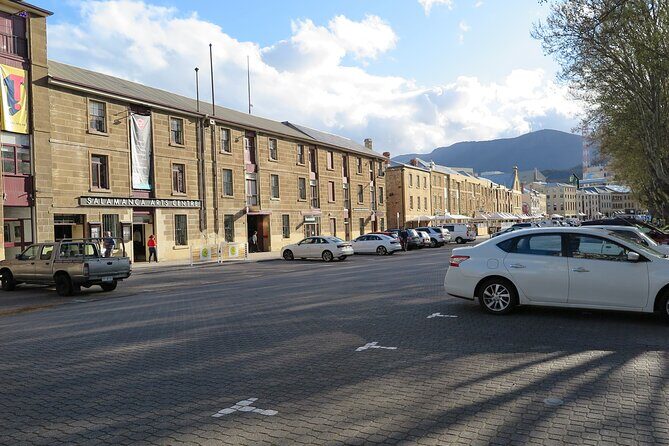
This tour keeps groups small, with a maximum of 12 travelers. That size is a sweet spot: big enough that you’ll have a lively group, small enough that you can actually hear the guide and ask questions without feeling like you’re talking over a crowd.
The guides have a clear style, too. Names like Sara, Christine, Brendon, Maggie, Dave, Di, Diane, and Bill show up in the guide roster you might encounter. The theme across those stories is simple: they’re willing to explain clearly, answer questions, and often add light humour to keep things moving.
Another practical benefit of the small group: it’s easier for the guide to notice who needs a slower pace. I also like that the tour is designed for most people, and service animals are allowed.
If you’re sensitive to audio, do yourself a favour: try to position yourself where you can face the guide. One concern you might run into is that commentary can shift toward the building they’re indicating, so being near the front or center helps you catch everything.
Photo opportunities that aren’t just selfies
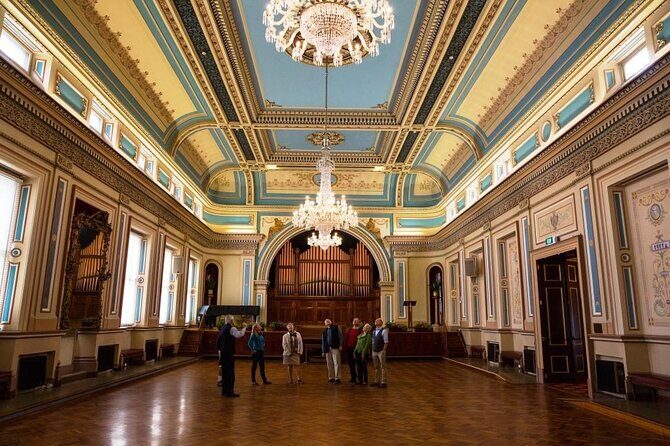
You’re promised plenty of photo chances, and you’ll earn them by walking heritage streets where the buildings and streetscape actually tell the story. This is one of those tours where it’s worth doing the normal tourist habit—stop, look, take a photo—because the guide gives context you can’t get from a picture alone.
The photo value is more than aesthetics. When you know what a building used to be used for, you can see the design choices differently. The same façade turns into evidence: evidence of wealth, evidence of civic intent, evidence of adaptation over time.
If you want practical advice: take a quick wide shot when you arrive at a stop, then take a closer shot while the guide is talking. That way you’ll have the “where am I?” photo and the “what am I looking at?” photo at the same time.
Price and value: why $27.26 can be a smart hit of context

At $27.26 per person for about 90 minutes, this tour sits in the low-to-mid range for guided walking experiences in major Australian cities. The value comes from two things you can’t easily replicate on your own during a short visit: a knowledgeable local guide and a route that’s already stitched together into a logical story trail.
You’re not paying for a museum ticket or a meal. You’re paying for orientation plus interpretation. That’s exactly what you want if your goal is to understand the city quickly and then explore on your own with better questions.
It also doesn’t include food and drinks, so plan to treat this as a warm-up before lunch/dinner (or as an afternoon reset before you eat later). Ending at Salamanca Place is convenient for that—grab a snack or drink after you wrap.
If you’re the type who likes to read on your own, you could DIY some of this. But the guide’s job is to point out what’s actually worth noticing and connect it to the early Hobart story in a way you’ll remember.
What to bring, and how to plan your 2 pm afternoon
Because it’s a walking tour, wear shoes that can handle city sidewalks comfortably. The route depends on good weather, and the tour can be rescheduled or refunded if weather cancels it, so check forecasts the day you go.
Bring what makes you enjoy a 90-minute stroll:
- a light layer (afternoons can shift)
- water if you tend to get thirsty
- a phone charged enough for maps and photos
Then plan your timing around the ending point. Since you finish at Salamanca Place, you can treat the rest of your day like a choose-your-own-adventure. If you want to continue on foot, you’ll have a clearer sense of how the areas connect.
Who should book this tour (and who might not get as much from it)
This is a great fit if:
- you’re new to Hobart and want a quick sense of place
- you enjoy colonial and convict history when it’s tied to buildings
- you like small groups and direct Q&A
- you want a guide to point out what your eyes might skip
You might rethink it if:
- you’re expecting a long, detailed treatment of multiple historical perspectives in just 90 minutes
- you dislike guided walking that includes lots of talking while stopping frequently
- you’re sensitive to audio and can’t easily position yourself where you can hear
Also, this tour isn’t a food tour. If you’re trying to fill your afternoon with meals, plan to eat separately. The experience is about stories, buildings, and understanding.
Should you book the Hobart Historic Walking Tour?
Yes, if you want a high-value intro to central Hobart in a short time. For $27.26, you get a guided route, a small group (max 12), and multiple stops that go beyond postcard sights—especially St David’s Park and the memorial wall. It’s the kind of tour that helps you look at the city differently immediately, and it makes your later self-guided exploration more rewarding.
If your main goal is a specific kind of history coverage beyond colonial and convict narratives, consider pairing this with another targeted activity. Otherwise, this is a strong, practical way to get your bearings and start making Hobart feel personal fast.
FAQ
How long is the Hobart Historic Walking Tour?
The tour lasts about 1 hour 30 minutes.
How much does the tour cost?
It costs $27.26 per person.
Where does the tour start and end?
You start at the Tasmanian Travel & Information Centre at 20 Davey St, Hobart. The tour ends at Salamanca Place.
What time does the tour start?
The start time listed is 2:00 pm.
What’s included in the price?
The price includes a small group tour and a local guide.
Is food or drinks included?
No. Food and drinks are not included.
How large is the group?
The tour has a maximum of 12 travelers.
Is this tour suitable for children?
Children must be accompanied by an adult.
What if the weather is bad?
The experience requires good weather. If it’s canceled due to poor weather, you’ll be offered a different date or a full refund.
Is free cancellation available?
Yes—free cancellation is available up to 24 hours in advance for a full refund.