REVIEW · HOBART
Salamanca Walk – History Tour
Book on Viator →Operated by Peter Lutz · Bookable on Viator
Hobart’s convict past hides in plain sight. This 2.5-hour walk through Salamanca and Battery Point turns old streets into a story you can actually follow, thanks to a guide using photos and drawings as you go. I especially like how the route stays gentle while still packing in big themes like convict labour shaping early Hobart.
I also love the way the tour helps you spot what’s still in front of you. You’ll learn why specific places matter, including the first fleet memorial at Salamanca Place and the small visual clues that connect today’s buildings to the colony’s earlier days.
One thing to consider: it’s mostly walking for the full length, so if you want lots of long stops to sit and chat, you may feel a bit rushed (and a couple of people found the 2.5 hours slightly tiring in colder weather).
In This Review
- Key Things I’d Put on Your Radar
- Salamanca and Battery Point: why this walk makes the past click
- Meeting at Salamanca Arts Centre and getting your bearings fast
- Arthur Circus Park stop: the kind of detail you’d miss on your own
- St. David’s Park stop: slowing down to read Battery Point
- Convict heritage and the everyday work behind it
- Architectural treasures you’ll learn to look for
- The included photos and drawings: why they’re more than decoration
- Meet your guide: Peter Lutz, plus other names you may see
- Who this tour suits best (and who might want a different option)
- Price and value: what you’re really paying for
- Timing it in your Hobart trip
- Should you book Salamanca Walk – History Tour?
- FAQ
- How long is the Salamanca Walk – History Tour?
- Where does the tour start?
- How much does it cost?
- How big is the group?
- Are children welcome, and is there a child discount?
- What’s included in the tour?
Key Things I’d Put on Your Radar

- Small group, max 15 people, which keeps it chatty and not chaotic
- Photos and drawings that let you compare then vs. now at real locations
- Battery Point convict heritage, with stories tied to where you stand
- Easy pace for families, with a route that’s not physically demanding
- Family-friendly pricing, with free tickets for kids under 16
- Two main park pauses at Arthur Circus Park and St. David’s Park
Salamanca and Battery Point: why this walk makes the past click

This tour works because it doesn’t treat history like a museum lecture. You’re out in the streets, looking at the shapes and settings of the old town while the guide stitches the timeline together. That’s the key difference: you’re not just hearing about Hobart’s early years. You’re using the neighborhood itself as your “textbook.”
What you’ll notice is that Salamanca and Battery Point aren’t only pretty. They’re layered. The stories connect convict heritage, free settlers, merchants, craftsmen, and clergymen to very practical work—quarrying stone, hunting whales, and building the foundations of Hobart using convict labour. Even if you’ve read a little already, the tour’s structure helps you see the logic of how the colony grew and where different people fit into that growth.
The small-group size (up to 15) also matters. You can ask questions without shouting over everyone, and the guide can keep checking that the group is following the thread.
You can also read our reviews of more walking tours in Hobart



Meeting at Salamanca Arts Centre and getting your bearings fast
You’ll start right by Salamanca at the Salamanca Arts Centre (77 Salamanca Place, Battery Point). That’s a smart choice. You’re positioned to walk into the heart of the area immediately, instead of spending the first part hunting for the right street.
The walk is described as gently paced and not physically demanding, and the reviews reinforce that it works for a wide range of ages. Still, it is a walking tour, so bring shoes you’d happily wear for a couple of hours on uneven sidewalks. If you’re traveling in winter or cooler weather, dress in layers—some stops are in the open.
You’ll also get a mobile ticket, and confirmation happens at booking. The tour allows service animals, and it’s near public transportation, which is useful if you’re mixing this with other Hobart stops.
Arthur Circus Park stop: the kind of detail you’d miss on your own
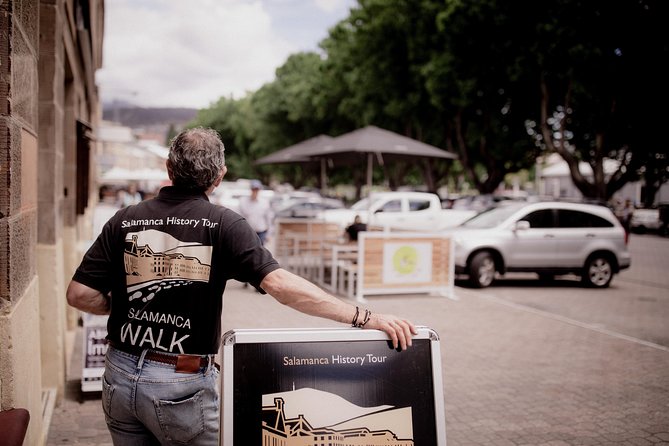
Stop one is Arthur Circus Park. This is where the tour starts doing something I love: turning small, easy-to-overlook details into big meaning.
One standout detail mentioned from earlier experiences is the pine from America connected to the Arthur Circus area. The point isn’t the tree as a decoration. It’s the story behind how the place took shape and how people marked the environment around them. With a guide pointing it out, you start looking at the park the way early residents might have—by noticing what’s new, what’s planted, and what signals change.
This pause is also a “reset” moment for the group. You get a breather without fully breaking the flow, which keeps the tour feeling relaxed. If you tend to drift when you’re walking on your own, having that structured stop helps you stay present.
St. David’s Park stop: slowing down to read Battery Point
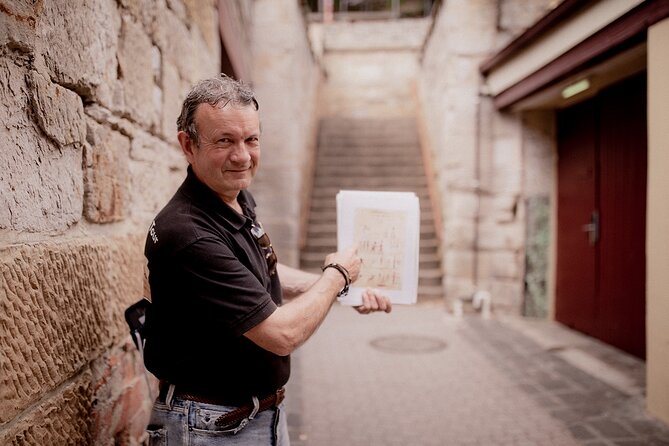
Stop two is St. David’s Park. From there, the tour continues to connect your walking route with the broader Battery Point story—how the area developed, who lived there, and how work shaped the built environment.
Battery Point is known (in this tour’s telling) for its architectural treasures overlooking the Derwent River. So even though this stop is a park pause, it’s not “just green space.” It’s a viewpoint and a framing device. The guide helps you understand why you’re seeing what you’re seeing, and how that ties back to the colony’s early years.
If you like photo-driven context, this is another moment where the guide’s photos and drawings can really help. You’re standing in the same general area while the visuals compare the past and present. That kind of comparison is often what separates a decent walk from a memorable one.
Convict heritage and the everyday work behind it
The tour’s main theme is Tasmania’s notorious convict heritage of Battery Point, and the origins of the colony. But the tour doesn’t only throw heavy words at you. It connects convict labour to specific, everyday forms of work that built Hobart’s early foundations.
Expect the guide to talk about:
- Quarrying stone
- Hunting whales
- Building the foundation of Hobart using convict labour
This matters because it turns “convict history” from an abstract label into something more concrete. You start seeing why certain areas developed the way they did—why the colony needed labour, where work would happen, and how that labour influenced the physical town you can still walk through today.
You’ll also hear about different groups who show up in the stories—craftsmen, clergymen, free settlers, merchants, and convicts. That mix is valuable. It keeps the narrative from becoming one-note. Hobart wasn’t only built by one kind of person.
You can also read our reviews of more historical tours in Hobart






Architectural treasures you’ll learn to look for
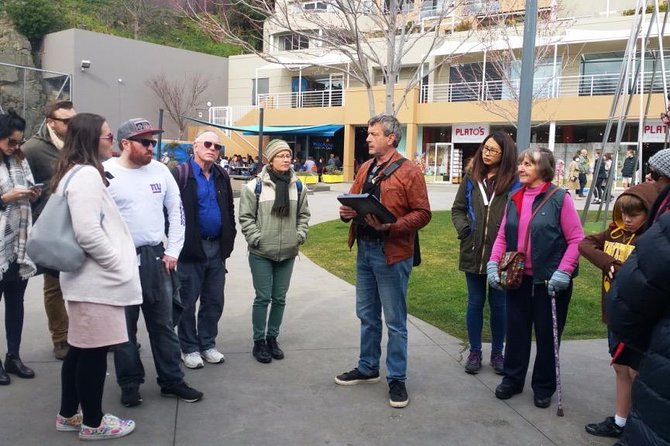
Battery Point’s architecture is part of the appeal, and the tour gives you a lens for reading it. Instead of just admiring buildings, you’re encouraged to connect what you see to the people and pressures of the early settlement era.
The tour description calls out architectural treasures overlooking the Derwent River. In practice, that means you’re learning to treat the buildings and street layout like evidence. The guide uses old photos and drawings to point out what changed, what stayed, and what got shaped by later decisions and urban growth.
A couple of reviews highlight how much the visual aids help you compare today’s appearance with earlier forms. If you’re the type who loves spotting differences in a “then vs. now” way, you’ll get a lot out of this. Even if you don’t call yourself a history buff, the street-level observation is the fun part.
The included photos and drawings: why they’re more than decoration

This tour includes pictures and drawings of Hobart, Salamanca, and Battery Point. That’s not a throwaway inclusion. It’s a teaching tool.
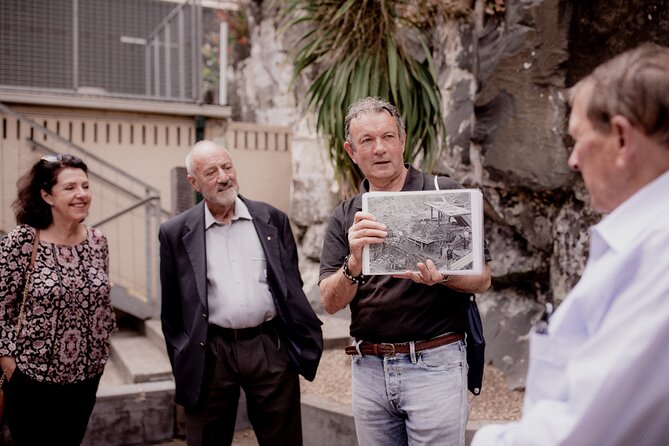
A walking tour can go fast if you only hear descriptions and never see visuals. Here, the guide brings historical photos and other visuals so you can anchor the story to what the area used to look like. You’re not relying solely on memory or imagination.
There’s also an interactive element. In multiple accounts, the guide takes questions and stays engaging, often with humor. One review specifically calls out the guide answering plenty of questions, and another praises how the guide took time to point out details people wouldn’t have noticed otherwise.
If you’re visiting Hobart for the first time, this kind of visual reinforcement helps you build a mental map early. Then later, when you return on your own, you’ll recognize the spots and understand why they matter.
Meet your guide: Peter Lutz, plus other names you may see
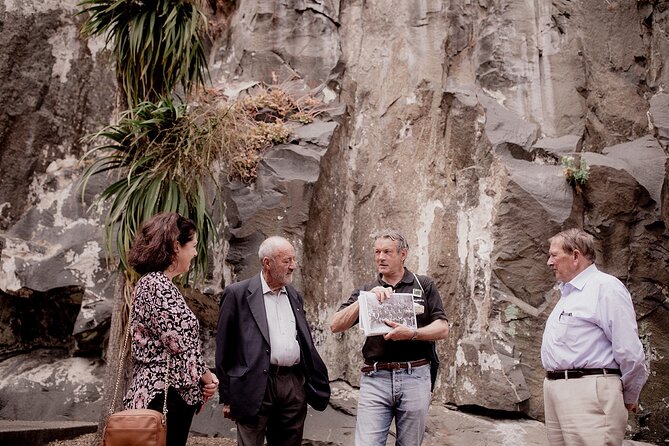
The experience provider is Peter Lutz, and many accounts credit a guide named Peter for a friendly, fun, and question-friendly style. You’ll also see other guide names associated with departures, including Lydija and Carmen, which suggests the operator uses a small team.
What matters for you is consistency in approach: photos and drawings, lots of stops, and stories that connect convict labour and early settlement to the places you’re walking past. If you’re hoping for a guide who can adjust to the group’s interests, that’s part of the value here too. One set of comments mentions the tour shifting to meet the group’s interests when the participants had specific questions.
Who this tour suits best (and who might want a different option)
This is a great fit if you want:
- An easy walk with real context
- A small group where questions are welcome
- A first-time-or-second-time Hobart activity that helps you notice more
- A family-friendly history outing, since the tour is described as attended by all ages and has free tickets for children under 16
It’s also a strong choice if you’re the kind of visitor who likes practical local recommendations. Some guides include modern tips along with the historical framing, which makes the walk feel useful beyond the two hours.
If you’re not into history, or you need a tour that’s mostly about scenery or shopping stops, this might feel heavy on the past. And if you get tired easily on foot, keep in mind that a couple of people felt the full duration without a sit-down break could be tiring in winter.
Price and value: what you’re really paying for
At $28.69 per person, this tour is priced like a great “intro” activity. That’s the best way to think about the value. You’re paying for a guide who can connect sites, provide visual comparisons, and turn an ordinary walk into a guided lesson.
The small-group limit (max 15) adds value you can feel. A large tour can turn into a shuffle. This one is designed to stay conversational. You’re also getting included photos and drawings, which means you’re not just paying for someone to talk—you’re paying for guided interpretation plus visuals.
It’s also good for families because kids under 16 get free tickets. If you’re traveling with younger people, that can make a big difference in overall cost.
Timing it in your Hobart trip
This walk works especially well early in your trip. Several reviews describe it as a way to understand Salamanca and Battery Point quickly and see the area with new eyes. If you do it early, it makes later wandering more rewarding—you’ll have stories ready in your head when you spot a memorial, a park, or an old-looking street corner.
If your schedule is tight, aim to leave some time afterward for a meal. One review notes it helps you work up your appetite for lunch, and that’s practical advice. You’ll want time to relax after the walking.
Should you book Salamanca Walk – History Tour?
Book it if you want an easy, small-group way to understand why Salamanca and Battery Point feel the way they do. The tour’s biggest strength is the pairing of street-level walking with photos and drawings that make “then vs. now” feel real. It’s also one of those experiences where the guide’s personality and willingness to handle questions can seriously change the day.
Skip it only if you prefer long seated breaks, or if you’re looking for a purely scenic stroll with minimal history talk. The walk is described as not physically demanding, but it still runs for about 2 hours 30 minutes.
If you like your history practical and tied to place—not just dates—this one is a strong yes.
FAQ
How long is the Salamanca Walk – History Tour?
It runs for about 2 hours 30 minutes.
Where does the tour start?
The tour starts at Salamanca Arts Centre, 77 Salamanca Place, Battery Point TAS 7004, Australia.
How much does it cost?
The price is $28.69 per person.
How big is the group?
It’s a small-group tour with a maximum of 15 travelers.
Are children welcome, and is there a child discount?
Yes. The tour is described as fun for the whole family, with free tickets for children under 16.
What’s included in the tour?
Included are pictures and drawings of Hobart, Salamanca, and Battery Point. Alcohol and food are not included.